Before you charge anyone: is it worth it?
A skill people will pay for is one of the few ways out of a money hole that doesn't depend on anyone else. Mending clothes, tidying gardens, painting a room, sharpening knives, fixing bikes: none of it needs a qualification, and all of it is work people would rather pay for than do. The rest of this path teaches the skills. This course is the part before the first job, the bit that keeps the extra money from causing trouble with the taxman, the benefits office or a debt plan.
The three questions
Don't borrow to start
No credit card, loan or buy-now-pay-later for tools or stock. Every course in this path can be started with what you have or a few second-hand pieces. Let the first jobs pay for better kit.
What you need
A record of every pound in and out
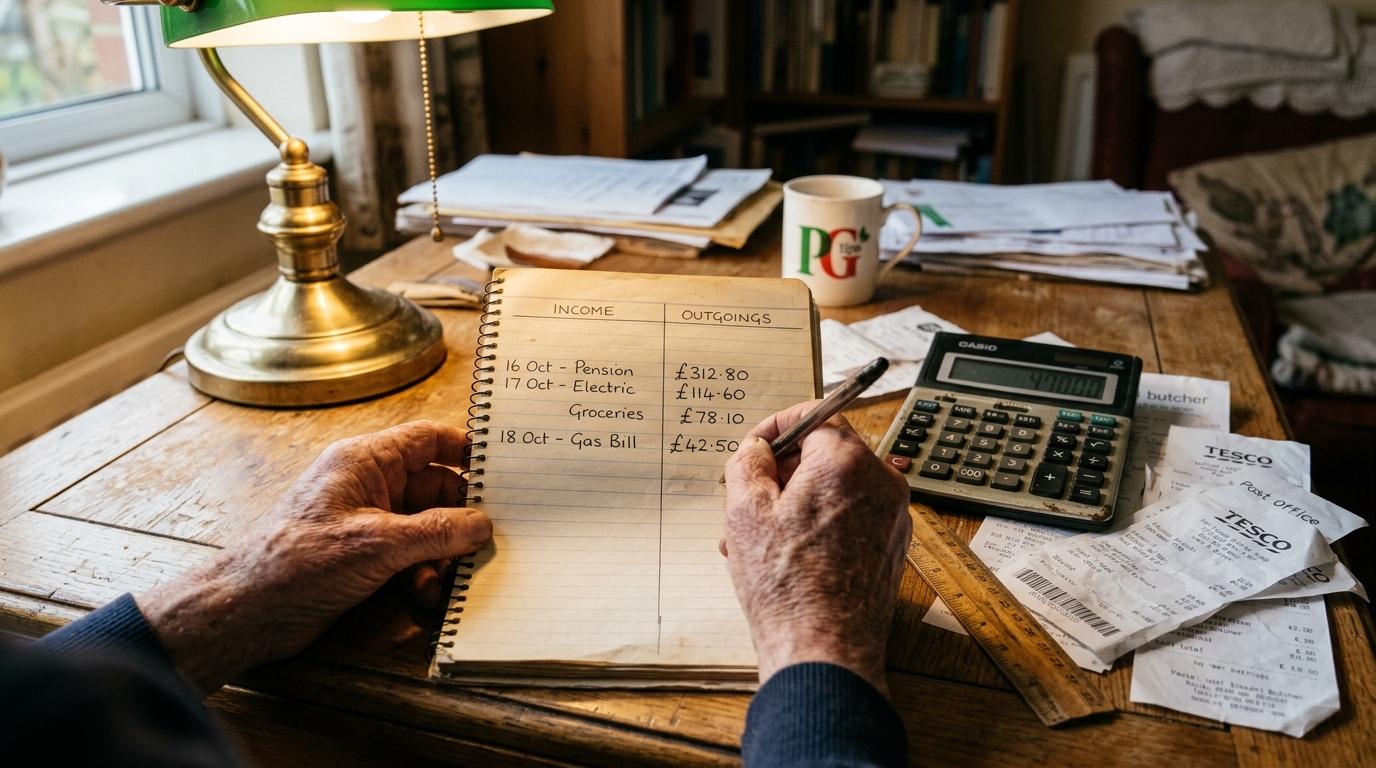
FreeA notebook or a spreadsheet: date, who paid, how much, and what you spent on materials or travel. Ten seconds a job. It's what tells you whether this is worth doing, and it's what you'll need for tax and benefits.
Your paperwork, in one place
FreeYour Universal Credit or other benefit details, and the agreement for any debt plan you're in. Step 2 tells you who needs to hear about extra income, and you'll want the details to hand.
A pot for tax
FreePut a share of every payment aside the day it arrives, in a separate account or savings pot, so a tax bill is never a surprise. If you go over the £1,000 allowance, a fifth of your profit is a sensible starting share. MyOwnPurse works the share out for you.
Tax, benefits and your debts
Tax: the £1,000 trading allowance
The first £1,000 you earn from self-employment and casual work in a tax year (6 April to 5 April) is covered by the trading allowance. It's measured on what customers pay you, before your costs, and it's one allowance for everything you do, not one per activity. Stay under it and you don't need to tell HMRC. Go over it and you register for Self Assessment by 5 October after the tax year ends, then pay any tax by 31 January. If your costs are high, you can deduct your real costs instead of using the allowance.
Universal Credit
If you get Universal Credit, earnings from self-employment have to be reported every month, with your costs, through your online account. Your payment goes down as your earnings go up, so you're usually still better off earning, but you keep less of each pound than you might expect. If self-employment becomes your main work, Universal Credit can apply a minimum income floor after the first year, assuming you earn a set amount whether you do or not. Before you start, check how it will affect you with Turn2us or Citizens Advice: both are free.
Debt plans: tell them first
If you're in a formal debt arrangement, extra income has to be reported, and some of it may need to go to the people you owe. That's not a reason not to earn: more income usually means finishing sooner. It's a reason to tell the right person before you start.
Doing it properly: insurance, licences, prices
Insurance
If you work in other people's homes or gardens, get public liability insurance before your first job. It covers you if you break something or someone gets hurt, it costs a few pounds a month for small sole traders, and some customers will ask. If you keep stock or tools at home, tell your home insurer: business use can void a policy that doesn't know about it. Driving to jobs needs business use on your car insurance too.
Licences and safety
Your first price
Work it out the same way every time: materials, plus your time at an hourly rate you'd be happy with, plus travel. Then check it against what others charge locally. For a jeans hem: twenty minutes, thread worth pennies, and alterations shops locally charging £10 to £15. Charging £10 is fair, quick to say yes to, and leaves room to go up once you have a few happy customers. Don't price yourself at nothing to win work: it's hard to raise later, and it's your time.
Get paid properly
Agree the price before you start, take payment when the job's done, and give a simple receipt. Bank transfer leaves a record; cash is fine as long as it goes in your book the same day.
From first job to sole trader
Most side incomes stay small, and that's fine: a few hundred pounds a year towards a debt is a few hundred pounds. Some grow. Either way, the steps are the same, and you only take the next one when you need it.
First paid job
Week 1Three people asked, one said yes, the price agreed up front. Everyone you need to tell has been told. The money is in your book and a share in your tax pot.
A handful of regulars
First few monthsWord of mouth doing the work. Prices checked against your records: if a job takes longer than you thought, the price goes up.
Past £1,000 in a tax year
When it happensRegister for Self Assessment by 5 October after the tax year ends. Your records and tax pot mean the return takes an evening, and the bill is already covered.
A proper sole trader
If you want itPublic liability insurance in place, a separate bank account, a simple price list. At this point it's a small business, and it's yours.
Best resources
- GOV.UK: the £1,000 trading allowance
- GOV.UK: selling on a digital platform (what's reported, and when you owe tax)
- GOV.UK: registering for Self Assessment
- Turn2us: Universal Credit and self-employed earnings
- Citizens Advice: when your circumstances change during a Debt Relief Order
- Business Debtline: free debt advice for the self-employed
- Your Universal Credit online account: report earnings and costs each month
Community
Reader tips
No tips yet. Be the first to share what worked for you.
Share a tip
Sign in to share what worked for you.
Same category
What to learn next

The Power of Compound Interest
How compound interest works, why starting early matters more than how much you earn, and the tax-efficient wrappers that maximise it.

Build Your Safety Net
Build a proper emergency fund: how much, where to keep it, and why it's the most important financial step you'll ever take.
Your Financial Picture
Assess your income, expenses, debts, and net worth, then build a working budget as your foundation.