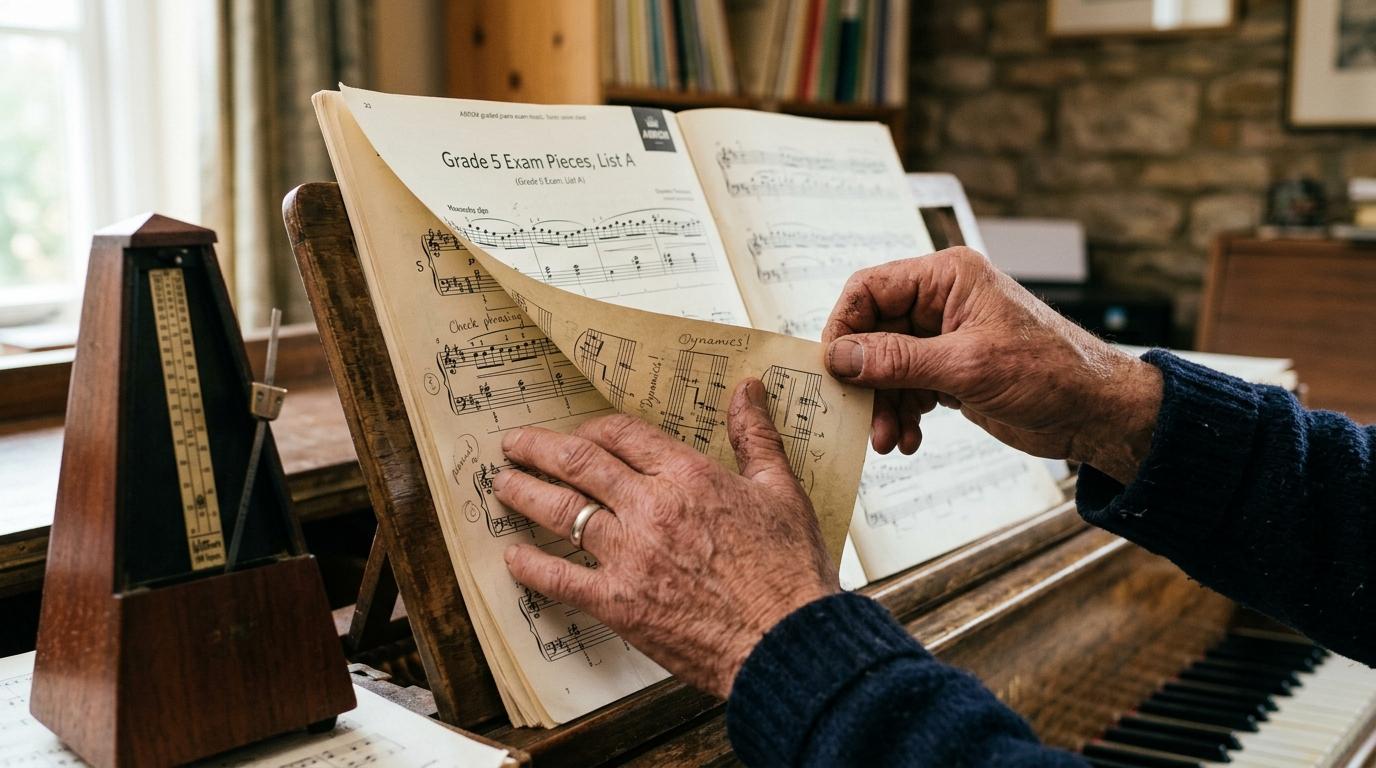
The boards and what a grade is
Music grades are unusual among the qualifications on this site: they are widely understood, they mean roughly the same thing everywhere, and nobody thinks they are a licence to do anything. A Grade 5 tells another musician what you can do in a way that "I've been playing a few years" does not. They run 1 to 8, they are regulated, and, unlike most exams, you choose which one to enter and when.
The main UK boards
Which board, and which grade
All of the above are Ofqual-regulated, so a Grade 5 means a comparable standard whichever badge is on it. What differs is repertoire and emphasis, which means the right question is not "which board is best" but "whose pieces do I want to spend six months with?" Because you will spend six months with them, and enthusiasm survives practice better than duty does.
On which grade: there is no requirement to start at Grade 1, and no requirement to take every grade. Many people jump. The honest test is to look at the syllabus for the grade above the one you are considering and see whether the pieces are within reach with real work. If the target grade's pieces are already comfortable, you have picked too low and will be bored for months.
Nobody is checking your paperwork
Grades have no entry requirements. You do not need the grade below, you do not need a teacher to enter you at most boards, and there is no age limit in either direction. The gatekeeping people imagine around music exams does not exist. The only real constraint is whether you can play the syllabus.
Community
Reader tips
No tips yet. Be the first to share what worked for you.
Share a tip
Sign in to share what worked for you.
Same category
What to learn next
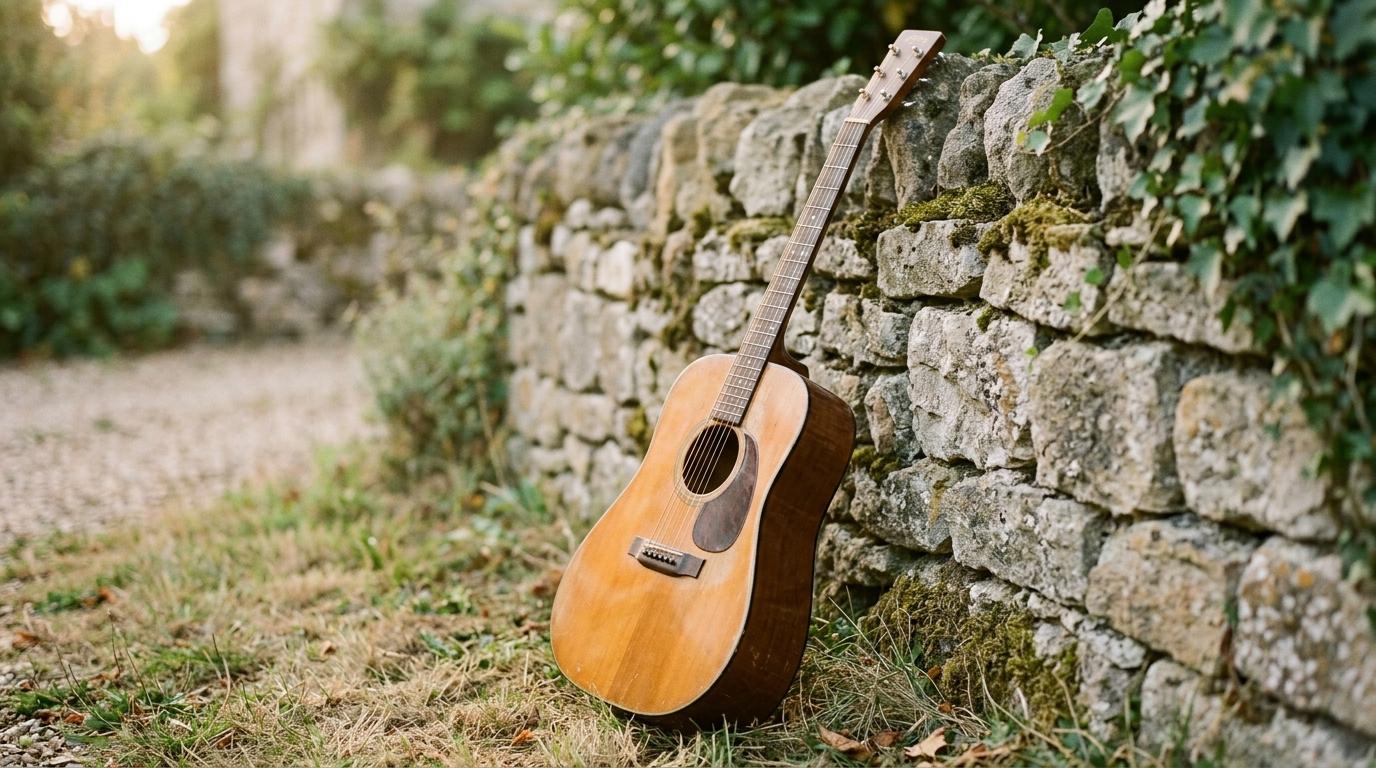
Acoustic Guitar from Zero
Your first chords, your first song, and a practice routine that sticks. No tab-reading required.
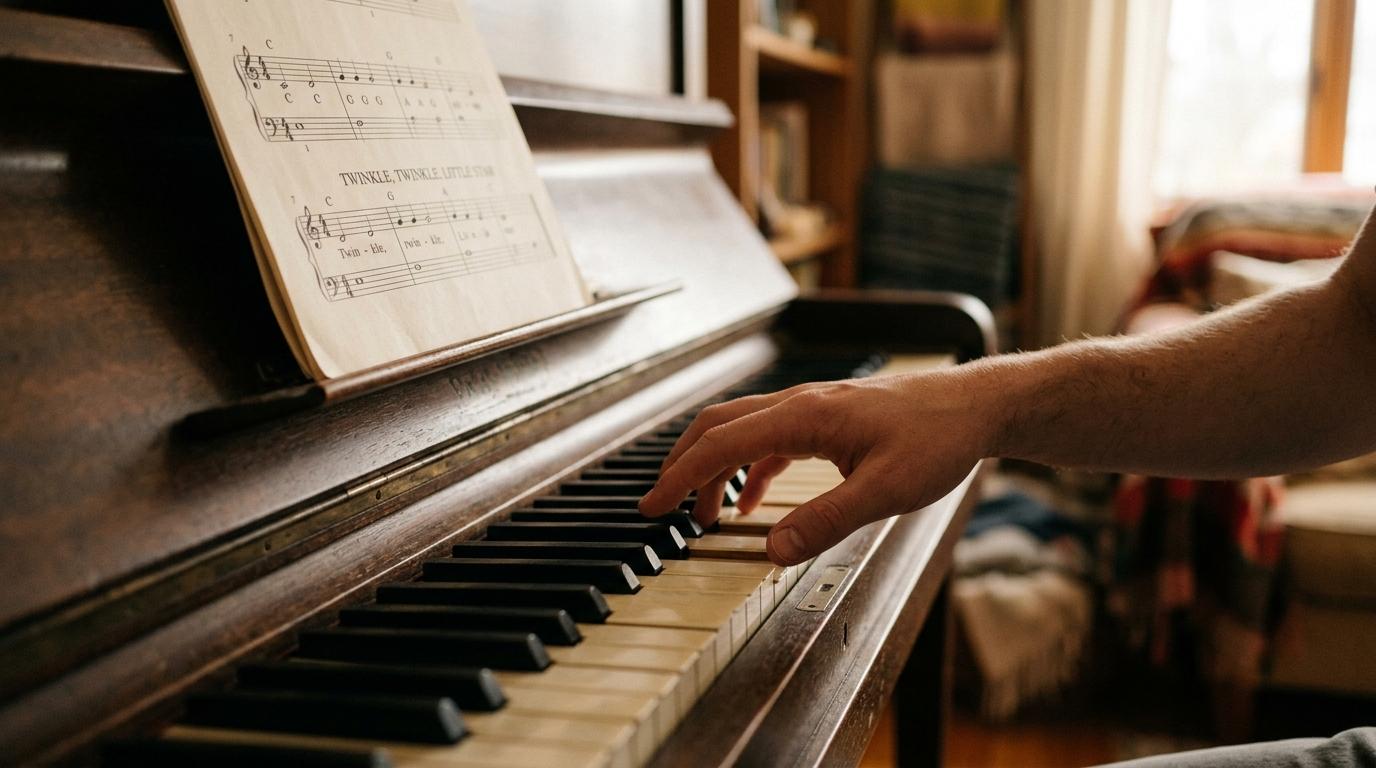
Piano for Adults
Learn to play piano as an adult. Posture, reading basic notation, your first pieces, and the practice habits that actually work when you have limited time.
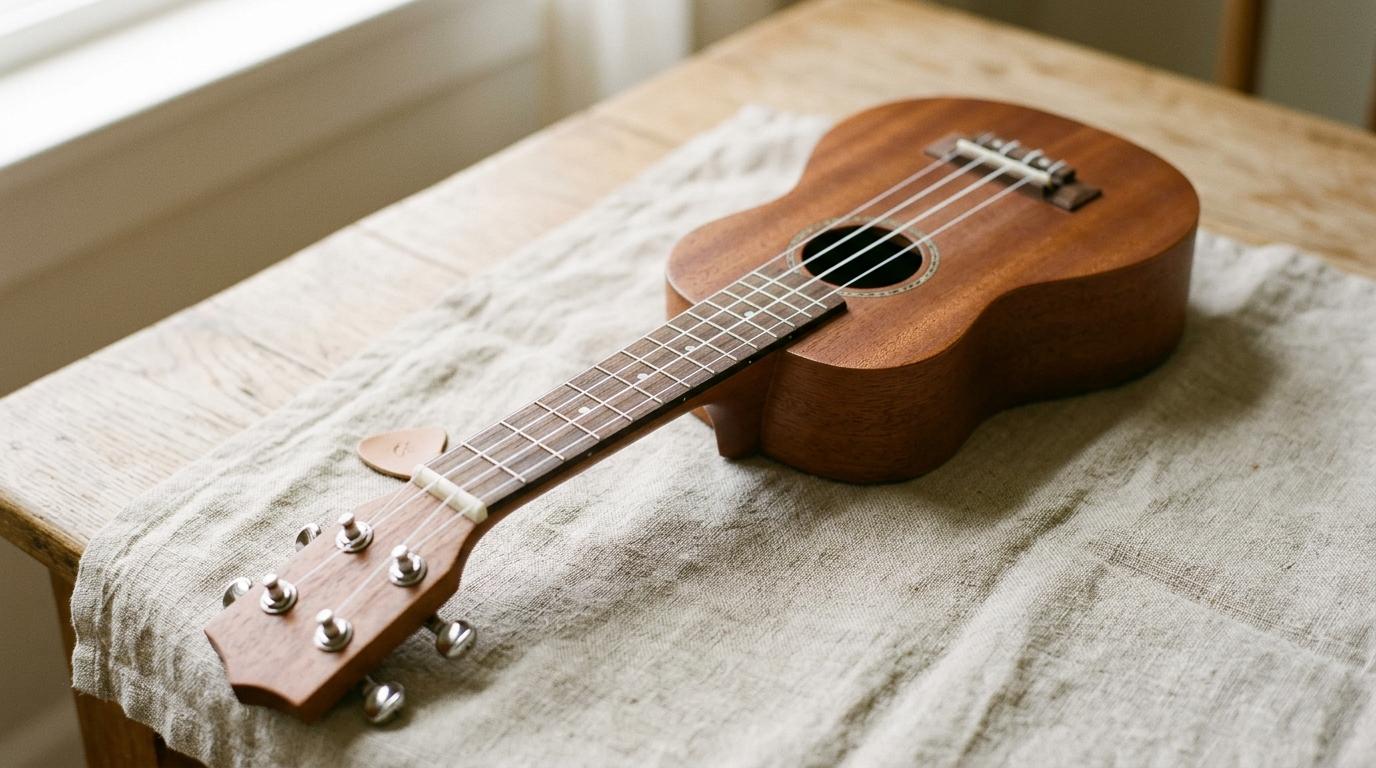
Ukulele: Your First Songs
Four strings, three chords, and you're playing songs. The ukulele is the fastest route from complete beginner to actual music, achievable in a single afternoon.