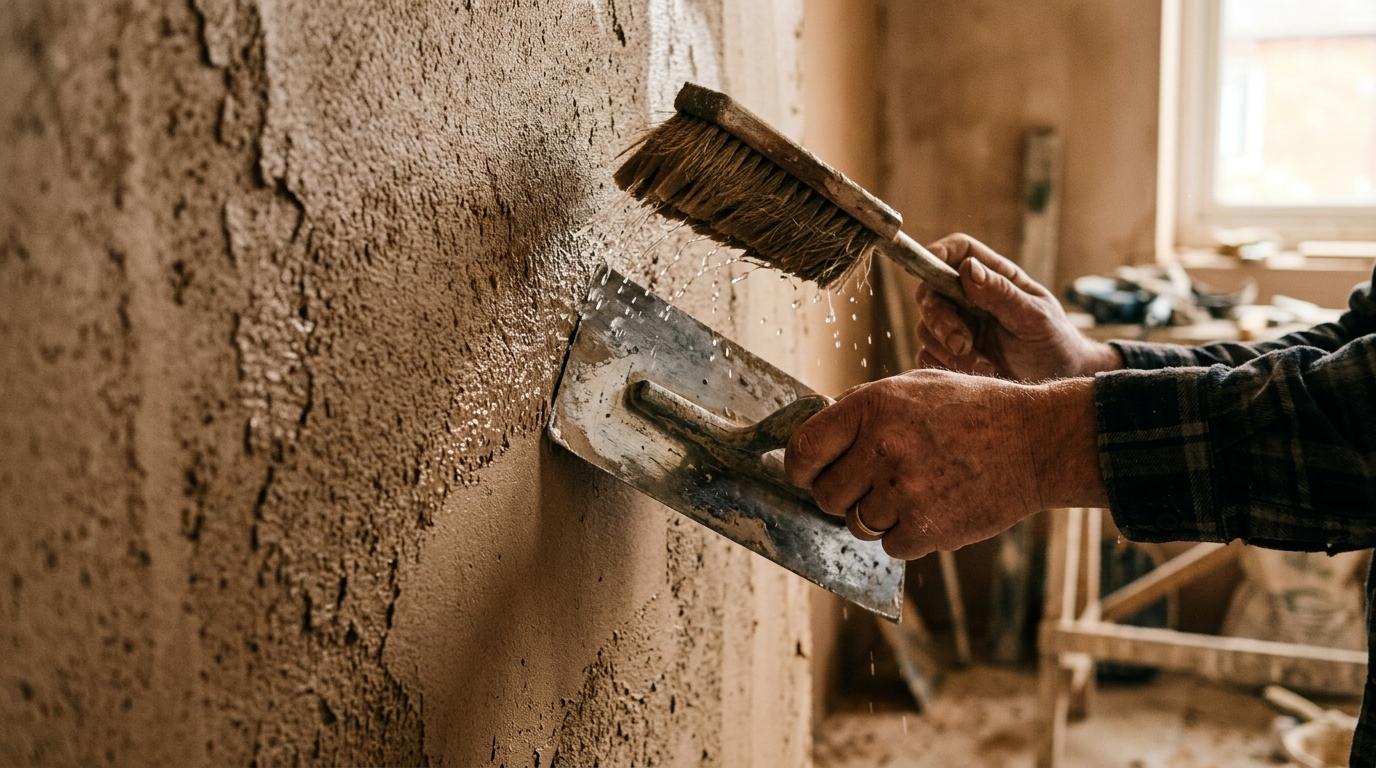
Materials and understanding what you're fixing
Most domestic wall problems fall into three categories: hairline cracks (surface only, fine filler sufficient), medium holes up to 50mm (patch with bonding plaster or patching compound), and larger areas needing a skim coat of finishing plaster. Each needs a different approach and different materials.
Finishing plaster: Thistle MultiFinish or British Gypsum Board Finish
£12–18 for a 25kg bagThe standard UK finishing plaster for skim coats. Mixed with water to a thick double-cream consistency, applied in two coats 2–3mm thick, and polished to a smooth finish before it sets. Multi-Finish works on most backgrounds (painted, bonded, existing plaster). Board Finish for plasterboard only. Buy a 25kg bag. It keeps for weeks once opened if stored dry.
Affiliate link. We may earn a small commission.
Bonding plaster: for holes and deep repairs
£12–18 for a 25kg bagBonding plaster (e.g. Thistle Bonding) fills deeper voids, up to 50mm in layers. It provides the structural base that finishing plaster adheres to. Use bonding for repairing holes left by removed wall anchors, damaged areas, and anywhere finishing plaster alone would be too thick. Apply in layers, key each coat before it fully sets.
Affiliate link. We may earn a small commission.
PVA bonding agent
£5–10 for a litreApplied to the wall before plastering, PVA (diluted 5:1 with water for the pre-coat, neat for the final coat applied just before plastering) controls suction and improves adhesion. Essential on porous surfaces (bare brick, old plaster, concrete) and previously painted areas. The final PVA coat must still be tacky, not dry, when you apply the plaster.
Affiliate link. We may earn a small commission.
Plastering trowel and hawk
£20–40 for bothA 14-inch steel plasterer's trowel for applying and polishing the plaster. A hawk (the flat square of steel or aluminium you hold in your non-dominant hand) to carry the plaster to the wall. A corner trowel for internal angles if needed. These are the only essential tools. Everything else is optional.
Affiliate link. We may earn a small commission.
Community
Reader tips
No tips yet. Be the first to share what worked for you.
Share a tip
Sign in to share what worked for you.
Same category
What to learn next
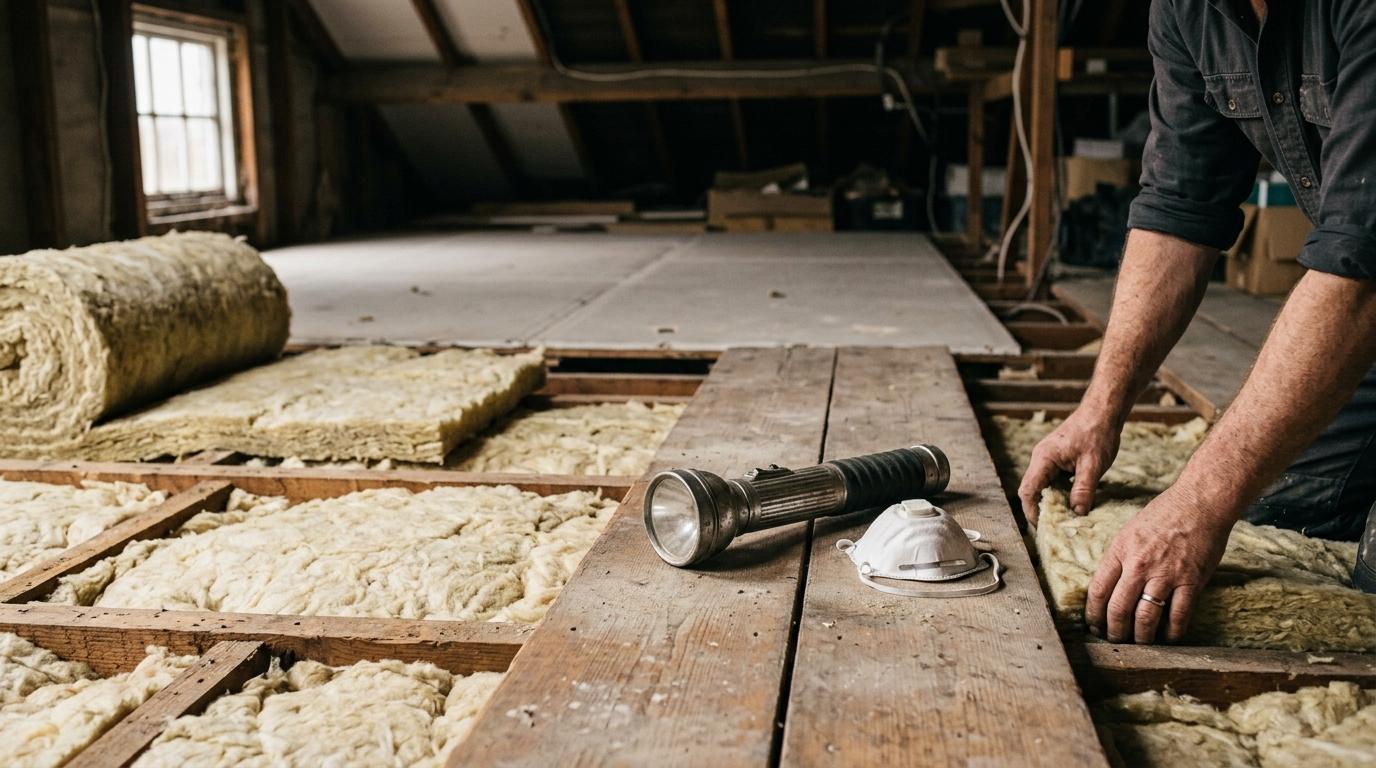
Insulating Your Home
How to insulate a loft, walls, and floors: material choices, DIY vs professional installation, and the payback calculations that show you where to start.

Setting Up Your Home Office or Den
A practical guide to designing and equipping a home office or creative den that helps you do your best work. Covers the essential gear, ergonomics, acoustics, air quality, and a step-by-step setup project, all grounded in UK prices and real-world experience.