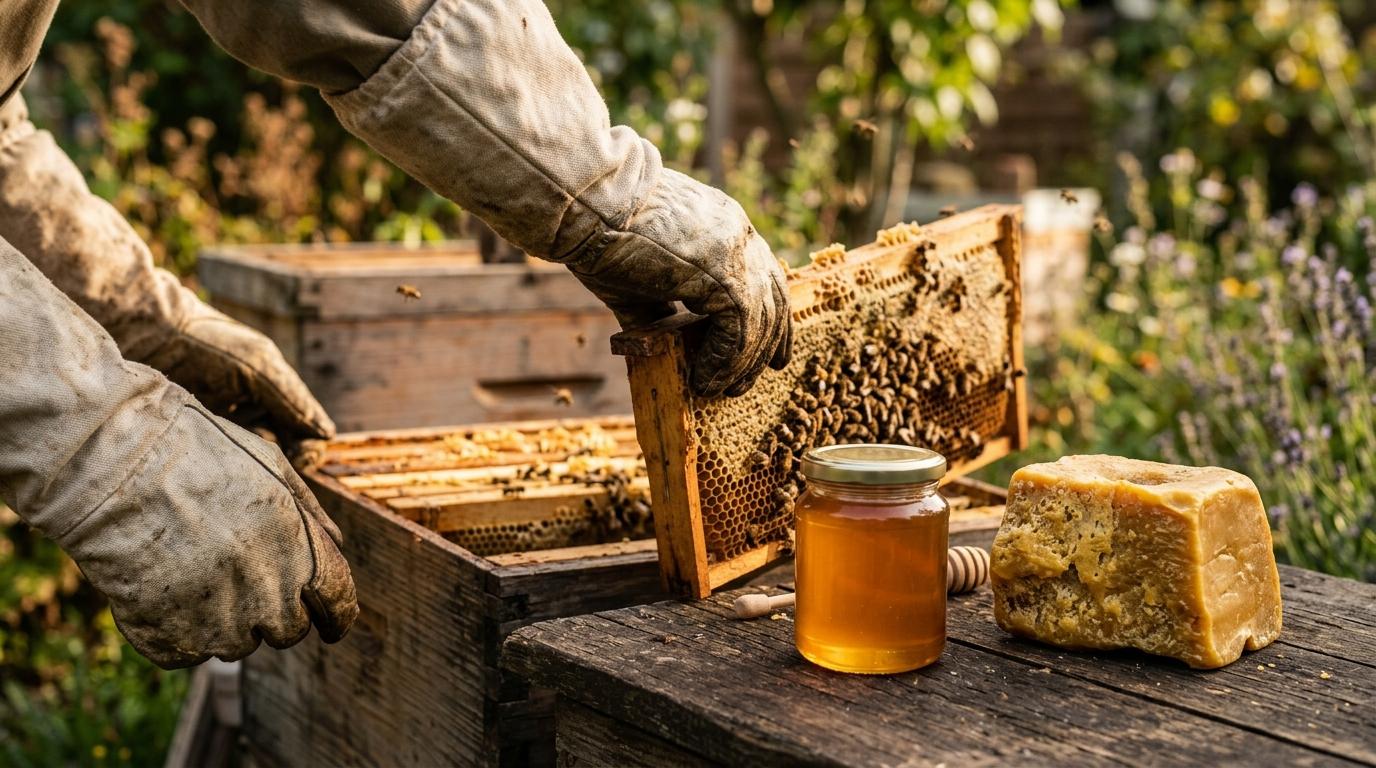
What you need to get started
Beekeeping has a higher setup cost than most crafts: expect £400–600 for your first year. The equipment lasts decades, and from year two onward the ongoing cost drops sharply. December is the right month to plan: you have four months before the bees arrive to learn, prepare, and source everything properly.
A National hive (complete with brood box, supers, crown board, roof)
£150–250 new for a complete National hiveThe British National hive is the standard UK beehive: parts are interchangeable between manufacturers, second-hand equipment is abundant, and virtually all UK beekeeping instruction assumes the National. Buy new or good-quality second-hand from reputable suppliers (Thornes, Maisemore, Abelo). A 'complete hive kit' from a major supplier typically includes everything you need.
Affiliate link. We may earn a small commission.
Protective equipment: suit, gloves, veil
£80–150 for a good-quality beesuit and glovesA full beesuit (coveralls with integrated veil) is the safe beginner choice: no gaps for bees to find, less anxiety, less stress on the colony (nervous beekeepers agitate bees). Quality matters: a bee suit with a veil that gaps is useless. Thornes, Dadant, and Mann Lake make reliable suits. Nitrile gloves with gauntlets keep most stings out while preserving hand sensitivity.
Affiliate link. We may earn a small commission.
A smoker
£20–35 for a standard smokerCool smoke masks the bees' alarm pheromone (isoamyl acetate), causing the colony to calm and begin consuming honey in preparation for a perceived fire. A well-maintained smoker lit with proper fuel (cardboard, hessian, pine needles, or commercial smoker pellets) is the beekeeper's most important tool.
Affiliate link. We may earn a small commission.
A hive tool
£5–10A flat pry bar used to separate propolis-sealed frames and hive boxes. Bees seal every gap with propolis (a tree-resin antimicrobial compound). Nothing in a hive opens without a hive tool. The J-shaped tool is preferred by most UK beekeepers.
Affiliate link. We may earn a small commission.
Where to get your bees
Sources for your first colony
- Nucleus colony (nuc) from a local beekeeper (recommended): A nucleus is a small, established colony on 5–6 frames with a laying queen, brood at all stages, stores, and nurse bees. Buying from a local beekeeper gives you bees adapted to your region and someone to ask questions of. Local BKA (beekeeping associations) run swarm lists and nucleus sales in May–June. Book ahead: good nucs sell out.
- Package bees: A box of approximately 10,000 bees and a mated queen, no frames. More disruptive for bees, slower to establish than a nuc, but available earlier in the season. Less recommended for beginners.
- Your local BKA swarm list: In late spring, local beekeeping associations coordinate swarm collection: free bees, but unknown genetics and temperament. Possible for a second or third hive, less advisable for a first.
Join your local beekeeping association (BBKA affiliated) before you get bees. Most run beginner courses in spring, provide mentors, and organise nuc sales to members.
Some links are affiliate links. Airgap.life may earn a small commission at no extra cost to you.
Community
Reader tips
No tips yet. Be the first to share what worked for you.
Share a tip
Sign in to share what worked for you.
Same category
What to learn next
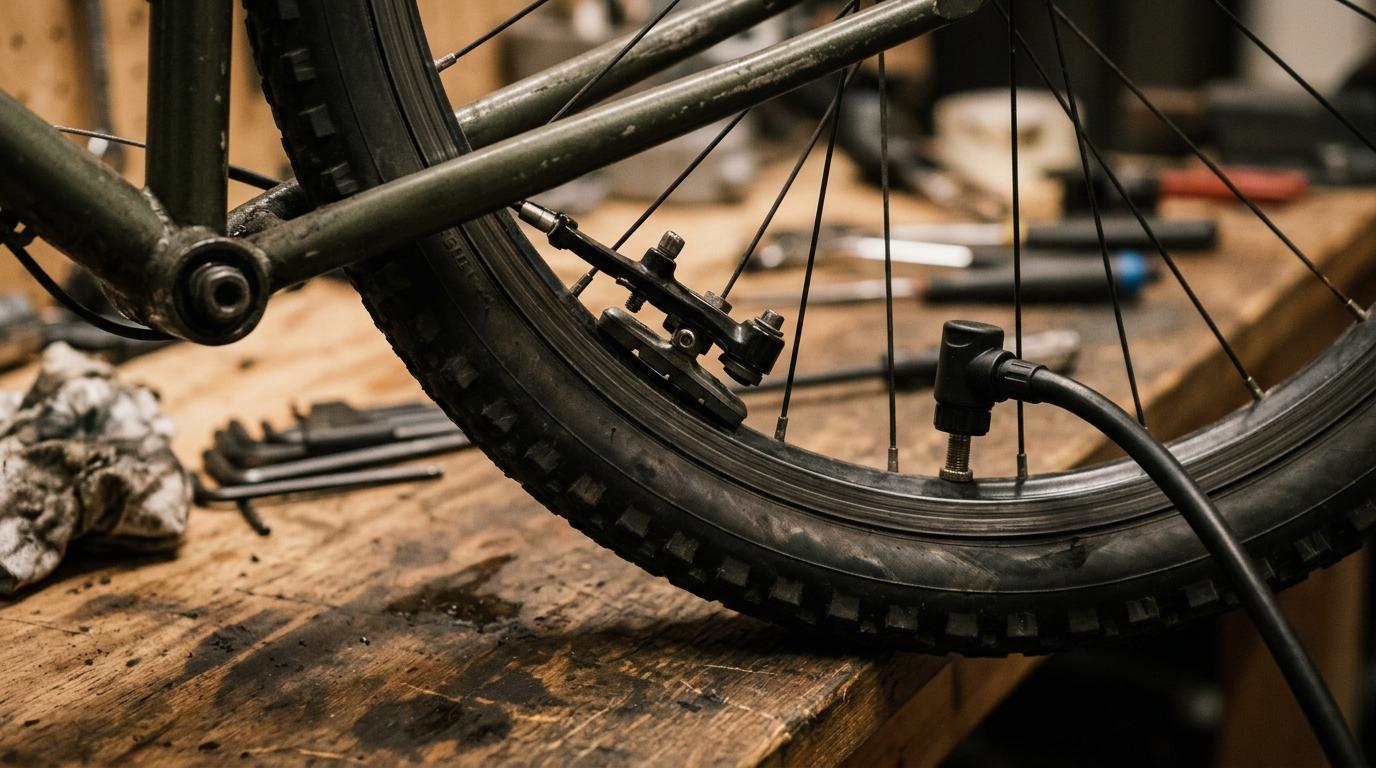
Bicycle Maintenance
Fix a puncture, adjust brakes, clean and lube a drivetrain. The core maintenance skills every cyclist needs. No bike shop required.
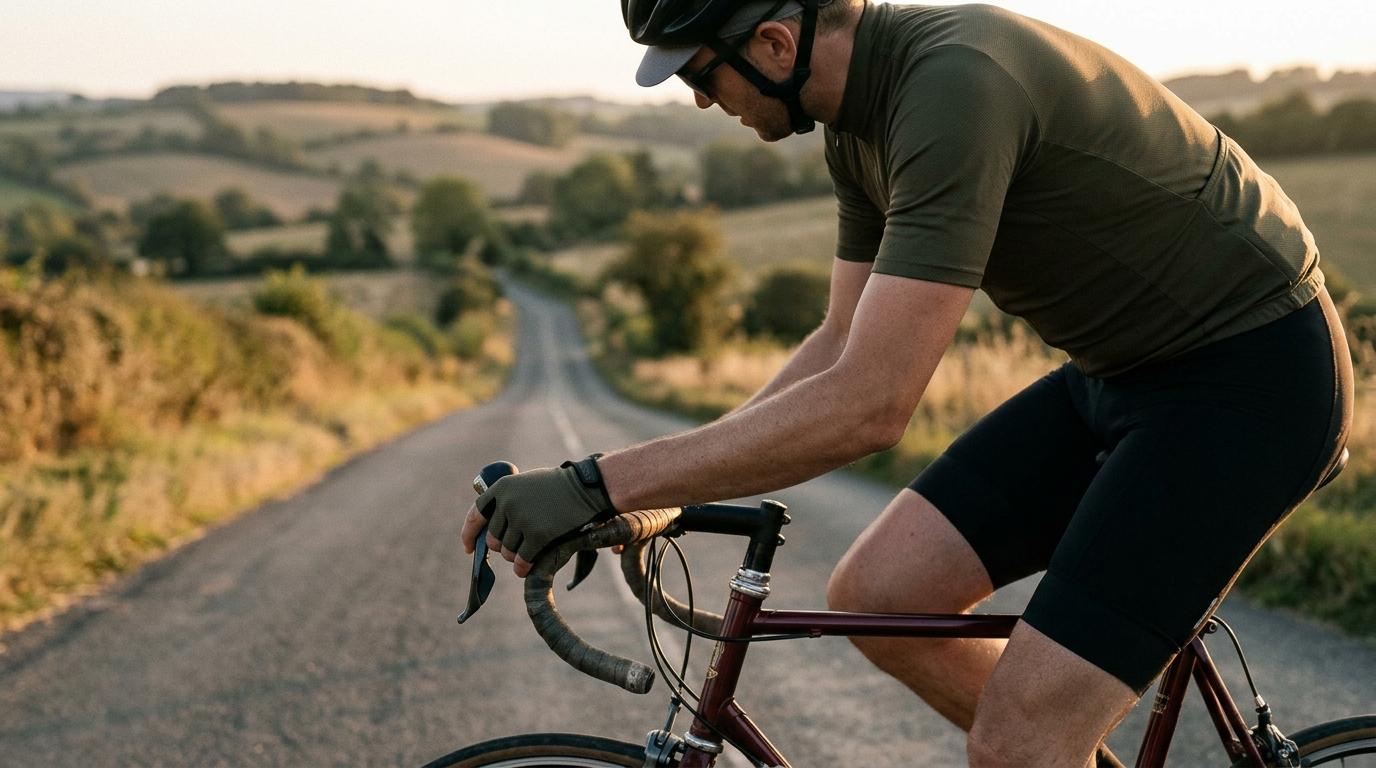
Bicycle Touring
Plan and complete your first bicycle tour. Kit selection, route planning, pacing, camping or accommodation, mechanical basics, and how to manage a loaded bike.
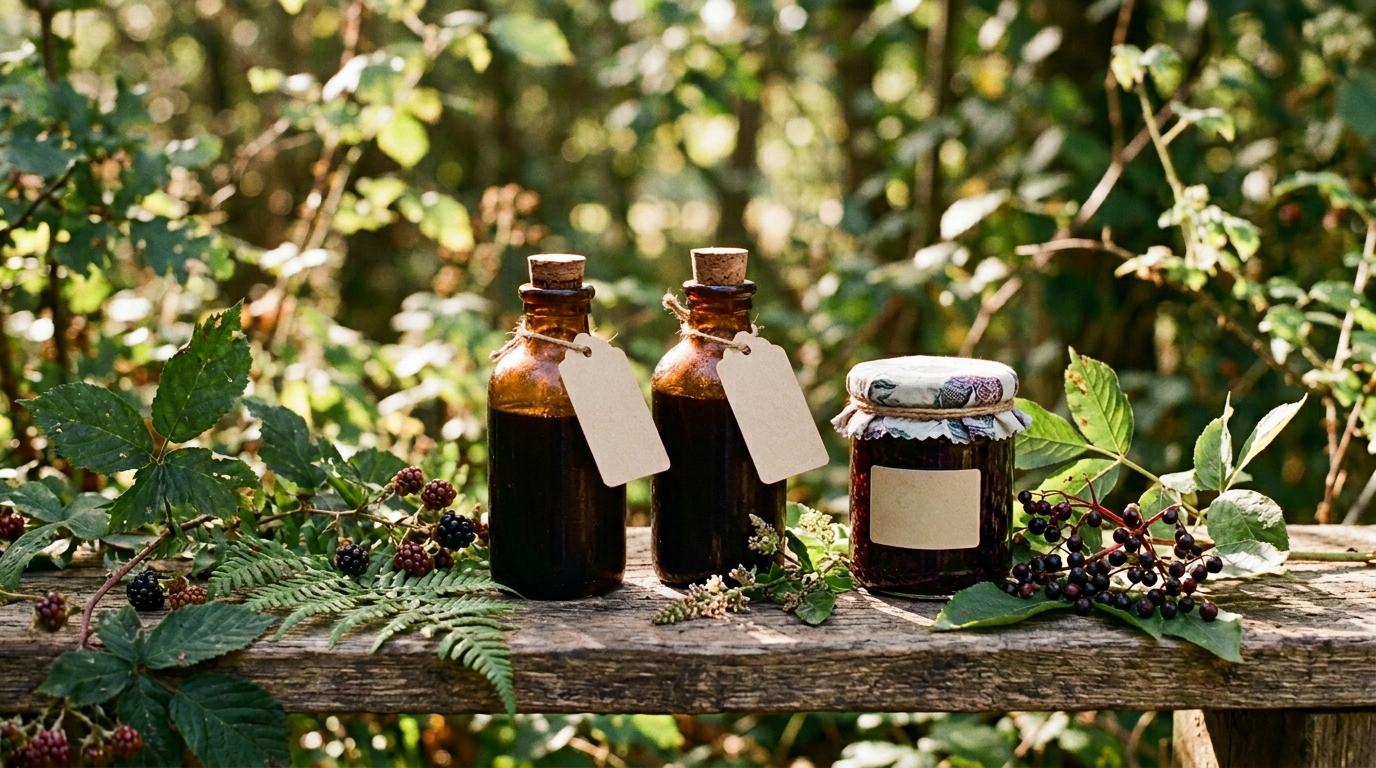
Foraging: Hedgerow Harvest
Late summer foraging in the British hedgerow: elderberries, blackberries, sloe, hawthorn, hazelnuts, and field mushrooms. Learn to identify, harvest, and use what grows wild.