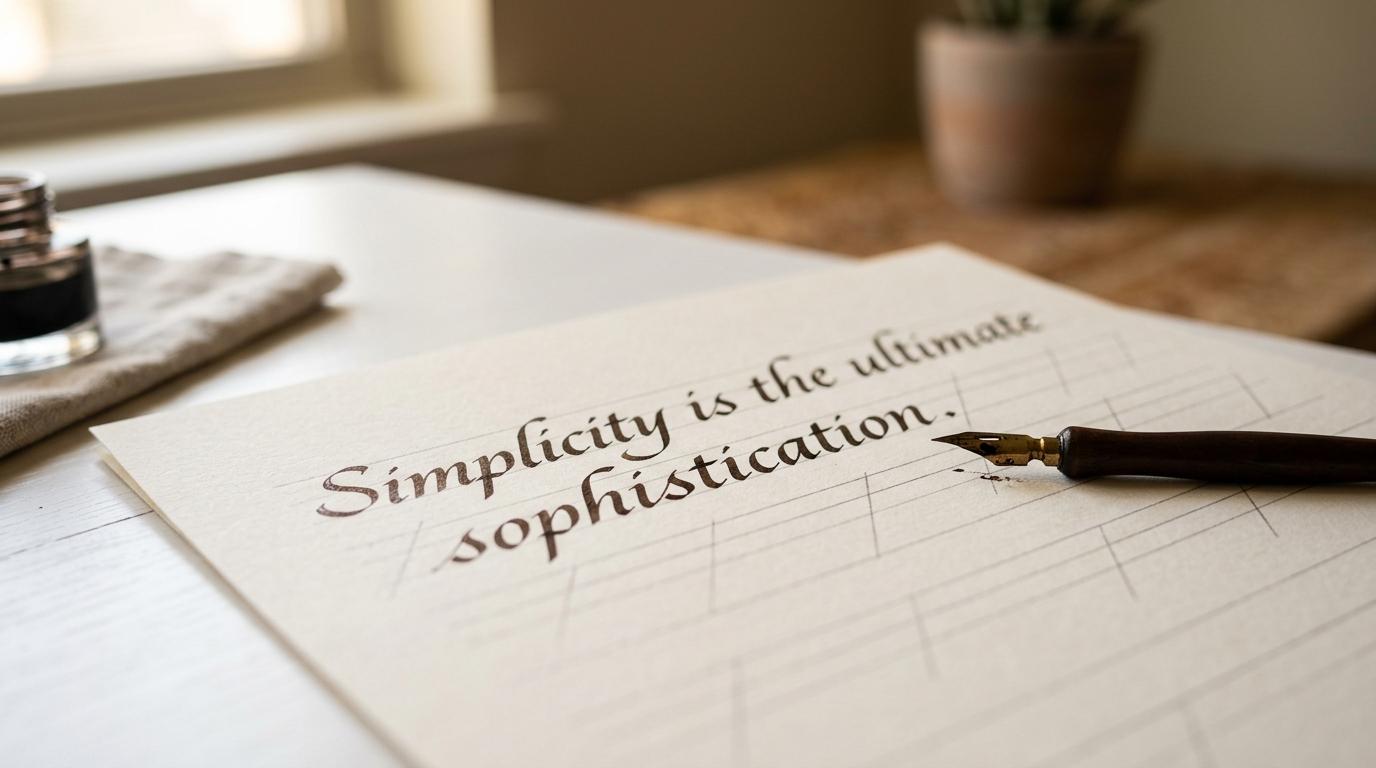
What you need to get started
Calligraphy requires precise equipment, not expensive equipment. The wrong pen makes learning unnecessarily hard. The right one makes it possible. Start simple.
A pointed nib pen (oblique or straight holder)
£5–15 for holder and a pack of nibsA straight holder is simpler for beginners. An oblique holder angles the nib to make the correct letterform angle easier to achieve naturally. Both work; the oblique is preferred by most serious calligraphers. The Speedball oblique holder (£5–8) is a reliable entry point. Nibs: Nikko G or Zebra G are the beginner standard: flexible, durable, and inexpensive.
Affiliate link. We may earn a small commission.
Black calligraphy ink
£4–8 for a small bottle (lasts months)Sumi ink (black, water-based, matte) is the traditional calligraphy choice. Higgins Eternal Black is a reliable and widely available alternative. Avoid standard fountain pen ink, which is too thin and doesn't give the contrast you need. Fountain pen ink is designed to flow; calligraphy ink is designed to sit on the surface.
Affiliate link. We may earn a small commission.
Rhodia or Clairefontaine paper
£5–10 for a padCheap paper causes ink to bleed and feather, which hides whether your letterforms are improving. Rhodia No. 16 (dot pad) or Clairefontaine 90g ruled paper is smooth, ink-resistant, and shows the quality of your strokes without ambiguity. This is the single most impactful equipment upgrade for beginners.
Affiliate link. We may earn a small commission.
A ruler and light blue pencil
Already owned, or £1–3Drawing guidelines (x-height, ascender line, descender line, slant) before writing gives your letterforms a structure to sit in. Light blue doesn't reproduce under photocopiers. Traditional drafting technique. Or download and print calligraphy guide sheets (free online).
Affiliate link. We may earn a small commission.
Preparing a new nib
New steel nibs have a protective coating to prevent rust during storage. This coating repels ink. Before using a new nib: pass it briefly through a flame (2–3 seconds, until it just blackens), let it cool, then wipe with a damp cloth. Alternatively, rub it with toothpaste and rinse. Test: dip in ink. It should coat the nib evenly rather than beading up.
Community
Reader tips
No tips yet. Be the first to share what worked for you.
Share a tip
Sign in to share what worked for you.
Same category
What to learn next
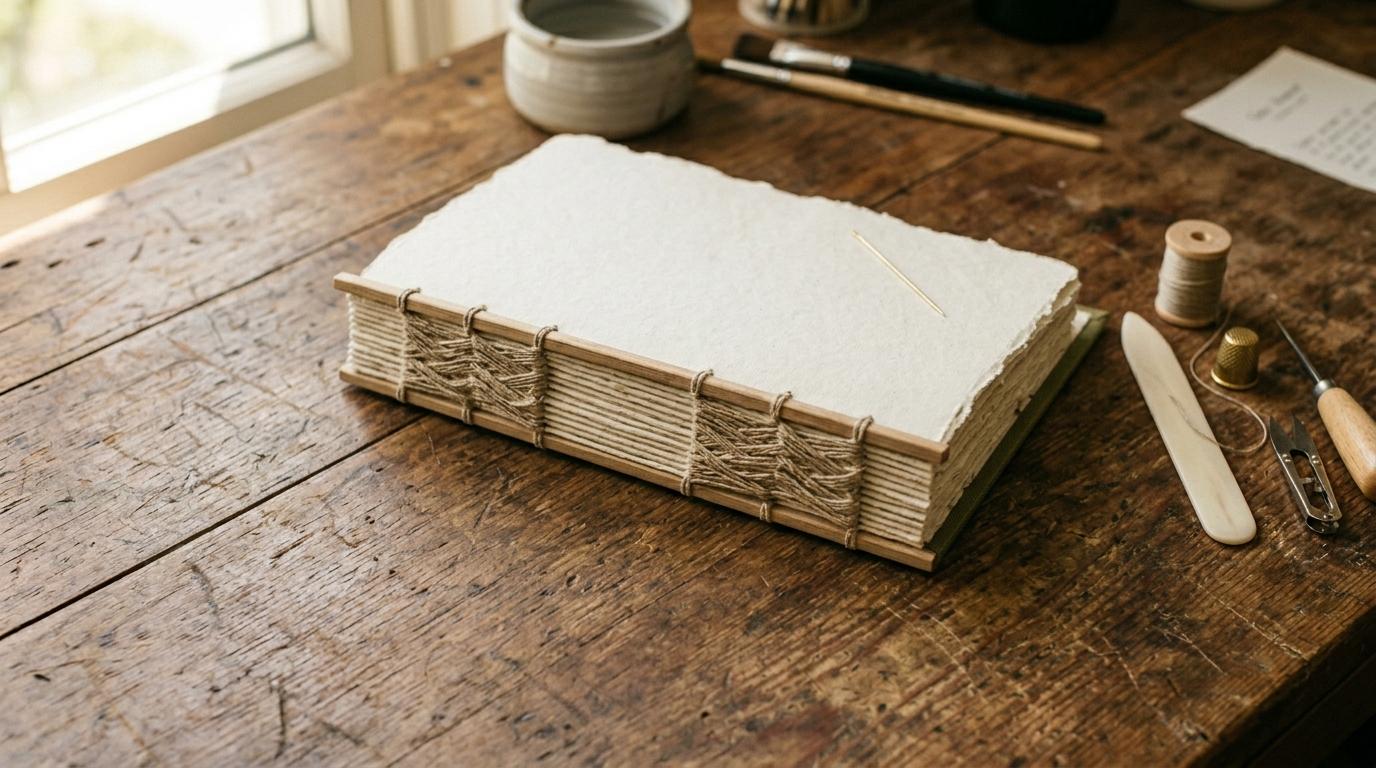
Bookbinding: Your First Journal
Fold, sew, and case a hardback journal by hand. The Coptic stitch and case binding are the two foundational methods, both achievable in a single afternoon session.
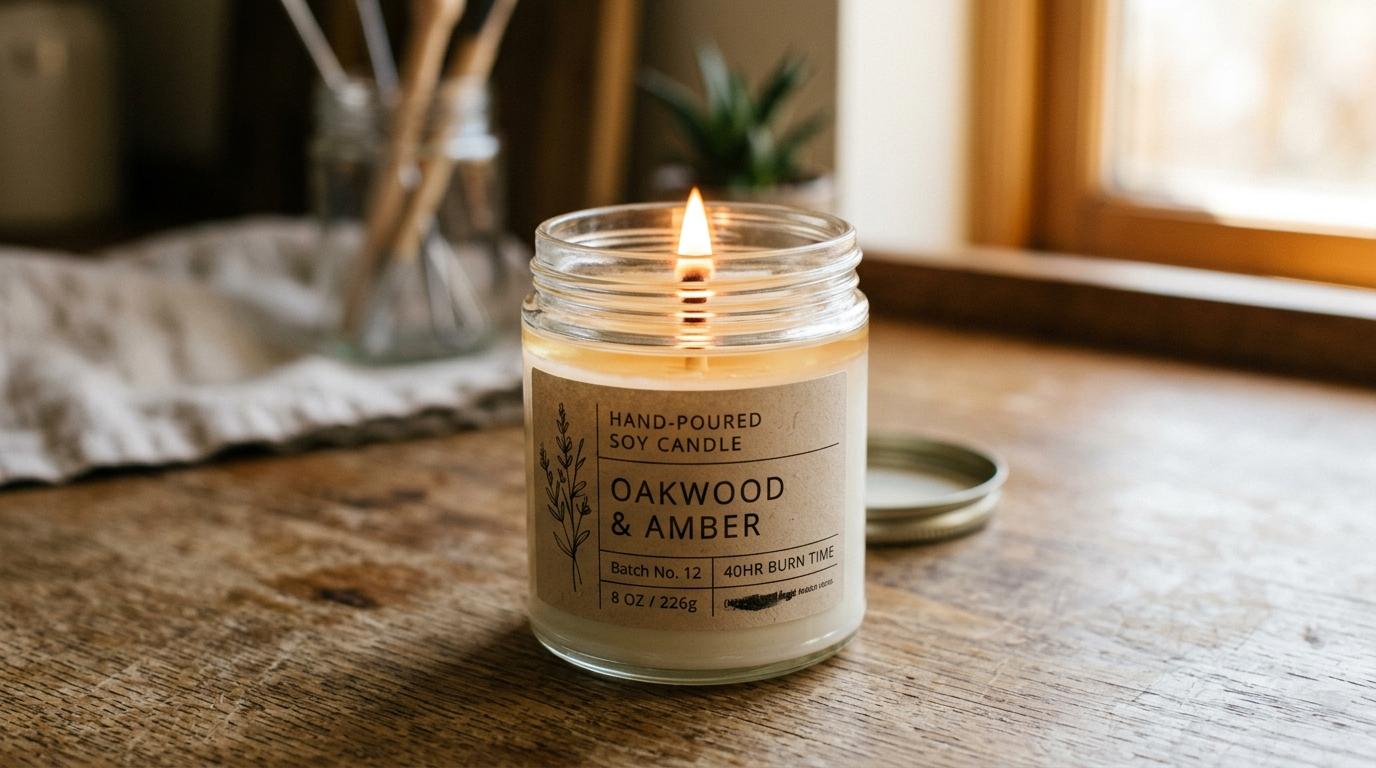
Candle Making
Make container candles with soy wax, fragrance oil, and cotton wicks. Published in late October, six weeks before Christmas: enough time to make gifts.
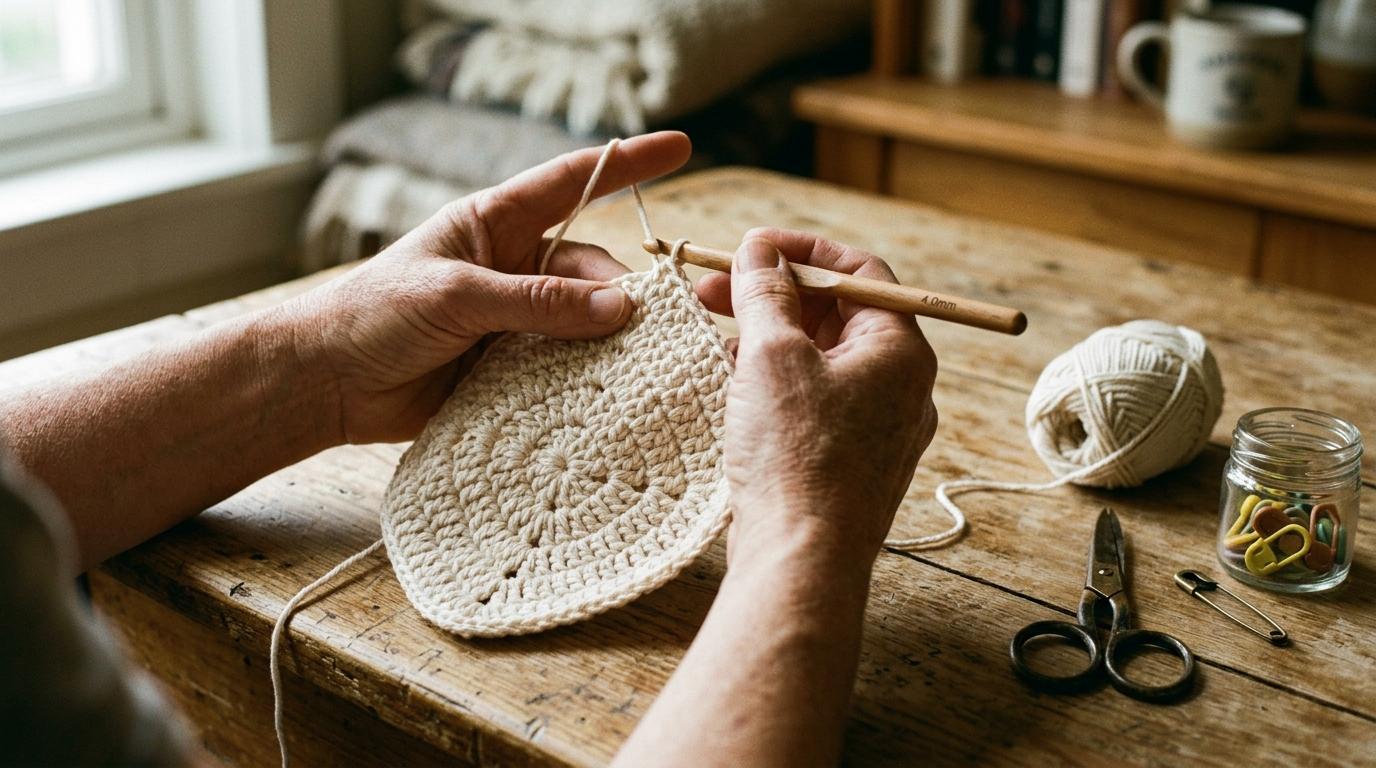
Crochet: Your First Project
Learn to crochet from scratch: chain, slip stitch, single crochet, and double crochet, then make your first finished object.