What you need to get started
Dog training needs less kit than almost any skill on this site. What it needs instead is treats your dog would sell you for, a way to carry them, and a lead long enough to practise recall without gambling. Everything here is under £25, and half of it you'll use daily for the rest of the dog's life.
One thing before the shopping list. This course teaches reward-based training: the dog gets paid for getting it right, and mistakes mean the exercise was too hard, not that the dog needs correcting. That's not a philosophical stance, it's what the evidence supports and what every mainstream UK body (the Kennel Club, Dogs Trust, RSPCA, the veterinary associations) recommends. Kit designed to work through discomfort, choke chains, prong collars, spray and shock collars, has no place in it.
Treat pouch
£5–10Training lives or dies on timing, and timing dies while you're wrestling a sandwich bag out of your coat. A pouch that clips to your waist and stays open means the reward arrives within a second or two of the marker. Silicone ones rinse clean, which matters once you start carrying chicken.
Affiliate link. We may earn a small commission.
High-value treats
£5–10 a week from the supermarketThe single biggest lever you have. Kibble is fine for the kitchen; it's worthless in a park full of squirrels. Cooked chicken, cheese, hot dog slices, sprats: soft, smelly, pea-sized. You'll use dozens of pieces per session, so small matters. Keep a cheap tier and an expensive tier, and save the expensive tier for recall.
A 2m training lead and a 10m long line
£15–25 for bothThe short lead is for everyday walking practice. The long line is the recall tool: it drags on the ground or sits lightly in your hand, giving the dog near-freedom while making it impossible to rehearse running off. Biothane lines wipe clean and don't soak up rain; webbing is cheaper. Never clip a long line to a collar, only to a harness, because a running dog hitting the end of a line clipped to its neck is a vet visit.
Affiliate link. We may earn a small commission.
Flat collar or Y-shaped harness
£15–25A flat collar with an ID tag is a legal requirement in public anyway. For walking and long-line work, a well-fitted Y-shaped harness (the straps form a Y on the chest, leaving the shoulders free) is kinder and safer than anything that tightens, and it doesn't teach pulling any more than a collar does. Avoid harnesses with a strap straight across the chest that restricts the front legs.
Affiliate link. We may earn a small commission.
Clicker (optional)
£2–4A box clicker makes a sharp, identical sound every time, which is exactly what a marker should be. It's optional because a crisp spoken word does the same job and you never leave your voice in your other coat. Buy one if you like gadgets; skip it if you don't. Step 02 covers how markers work either way.
A mat or flat bed
£8–15Not for sleeping: for the settle, one of the four end goals of this course. A mat with an obvious edge (a folded towel works to start) gives the dog a clear physical target for 'go there and switch off'. Eventually the mat travels: pub, café, friend's house, and the dog takes the behaviour with it.
Where to buy (UK)
- Pets at Home: Nationwide, fine for pouches, leads, harnesses and mats. Staff can help with harness fitting
- Your local independent pet shop: Usually better treat selection, often better harness brands, and worth knowing for the next fifteen years
- The supermarket: For the treats that matter: cooked chicken, cheese, frankfurters. Cheaper and higher value than most branded training treats
Skip anything labelled 'anti-pull' that works by tightening, and skip retractable leads entirely: they teach pulling and you can't manage them with treats in one hand.
Some links are affiliate links. Airgap.life may earn a small commission at no extra cost to you.
When training isn't the answer
This course teaches manners and life skills. It does not treat behaviour problems. If your dog growls over food, lunges at dogs or people, panics when left alone, or has bitten, book a vet check first (pain drives a surprising amount of aggression), then ask for a referral to an accredited behaviourist: look for ABTC-registered Clinical Animal Behaviourists. A six-week course, this one included, is the wrong tool for that job, and anyone who says otherwise is selling something.
Community
Reader tips
No tips yet. Be the first to share what worked for you.
Share a tip
Sign in to share what worked for you.
Same category
What to learn next
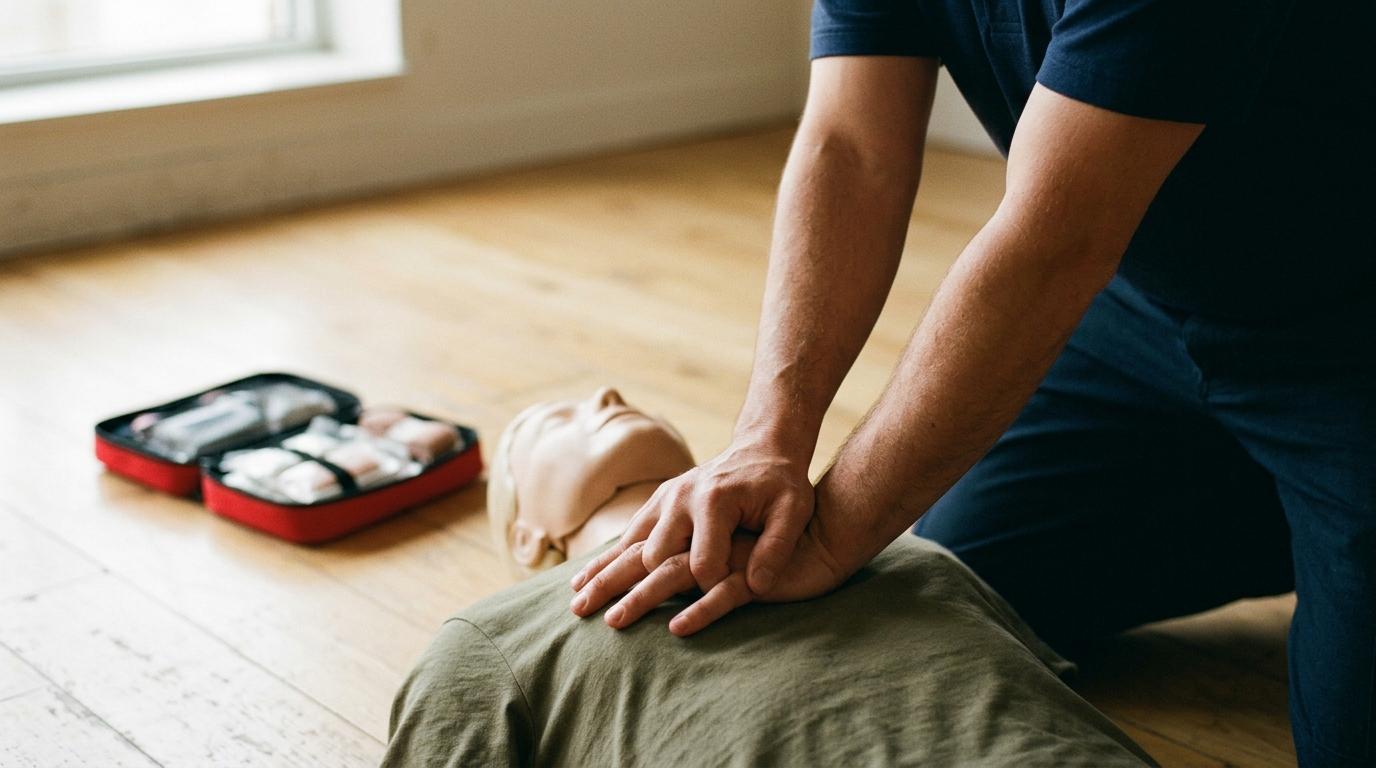
First Aid Essentials
CPR, choking response, wound management, burns, and fractures. The skills that matter most when there's no one else. Practical, remembered under pressure.

Journaling
How to build a journaling practice that lasts: formats, prompts, methods for processing difficult things, and making it a habit that compounds over years.

Learning a Language
How to learn a language as an adult without classrooms or expensive courses. Comprehensible input, vocabulary strategies, speaking confidence, and a sustainable system.