
What you need to get started
Running requires one thing: a pair of running shoes. Not cross-trainers. Not old trainers. Running shoes, with adequate cushioning and support for your foot strike. Everything else (the watches, the vests, the GPS trackers) is optional. You don't need any of it to start.
Running shoes, fitted at a specialist shop
£80–150 for a well-fitted pairGo to a specialist running shop (not a general sports retailer) and ask for a gait analysis. They'll watch you run on a treadmill and recommend the right shoe for your foot type and strike pattern. The difference between the right shoe and any shoe is significant: it prevents most of the injuries that stop beginners from continuing. Budget accordingly: this is the one place to spend real money.
Affiliate link. We may earn a small commission.
Running socks
£6–12 per pairTechnical running socks (Bridgedale, Injini, Balega) prevent blisters by wicking moisture and reducing friction. Cotton socks hold moisture and cause blisters on longer runs. A cheap upgrade worth making.
Affiliate link. We may earn a small commission.
A watch or phone to track time
Your phone timer is freeThe beginner programme below uses time, not distance. 'Run 1 minute, walk 2 minutes' is the structure, so you need to know when a minute is up. Your phone's timer works. A GPS running watch is excellent but entirely unnecessary until you're running continuously.
Affiliate link. We may earn a small commission.
The second pair problem
Most beginning runners who quit do so because they run too fast, too far, too soon. They get injured, or they find every session agonising, and they stop. The pace at which you start should feel embarrassingly slow: you should be able to hold a conversation throughout. If you can't, slow down. Speed comes later.
Form, breathing & the one thing that stops most beginners
Running form
Good running form reduces injury risk and makes running more efficient. The basics:
Head and gaze
Look ahead, not at your feet. Keep your chin parallel to the ground. A dropped head tightens the neck and compresses the spine.
Shoulders and arms
Shoulders low and relaxed, not up near your ears. Arms bent at approximately 90°, swinging forward and back (not across the body). Relaxed hands: imagine holding a crisp without crushing it.
Posture
Slight forward lean from the ankles (not the waist). Running tall: imagine a string pulling the crown of your head upward. A hunched posture compresses your breathing and wastes energy.
Foot strike
Land with your foot roughly beneath your hips, not in front. Overstriding puts heavy impact on the knee. Midfoot or forefoot strike is more efficient than heavy heel striking for most runners. Don't obsess about this initially. It develops naturally as your form improves.
Breathing
Breathe through both your mouth and nose. Don't restrict your breathing by trying to breathe only through your nose at a beginner pace. You need more oxygen than nose breathing supplies. A 3:2 breathing rhythm (inhale for 3 steps, exhale for 2) is a common suggestion; others find a 2:2 rhythm more natural. Find what feels comfortable rather than following a rigid pattern.
The one thing that stops most beginners
Pace. Beginners run too fast. They feel out of breath within minutes, their legs burn, every session is a struggle, and they conclude they're "not runners". In almost every case, they're running at a pace that would challenge an experienced runner. Slow down. If you can't say full sentences while running, you're going too fast. That's not a character flaw. It's the wrong speed.
The 8-week programme
What a session looks like
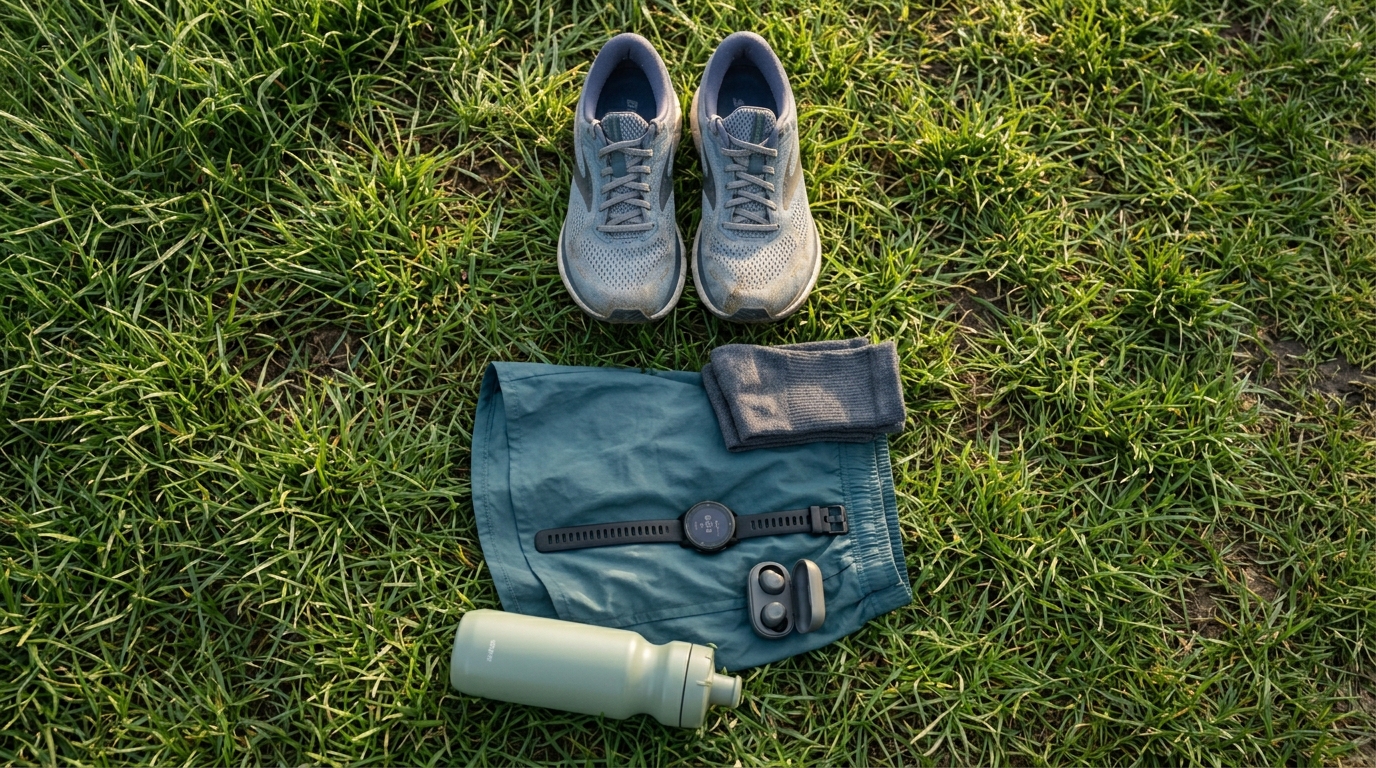
Kit check: Running shoes (the only non-negotiable investment), moisture-wicking socks, and whatever you can run in. A GPS watch or running app records your pace and distance, which the programme needs. A water bottle for sessions over 30 minutes. Everything else is optional.

Warm-up (5 minutes): Brisk walking followed by dynamic movements: leg swings, hip circles, heel kicks, and a minute of very slow jogging. Never stretch cold muscles before running. Save static stretches for after. The warm-up raises core temperature and prepares joints for impact.

Running form: Upright posture, slightly forward lean from the ankles (not the waist). Arms bent at roughly 90°, hands relaxed (imagine holding a crisp without breaking it). Feet landing underneath the hips, not in front. Cadence around 170–180 steps per minute. Breathing should be able to support a conversation: if you can't speak, slow down.
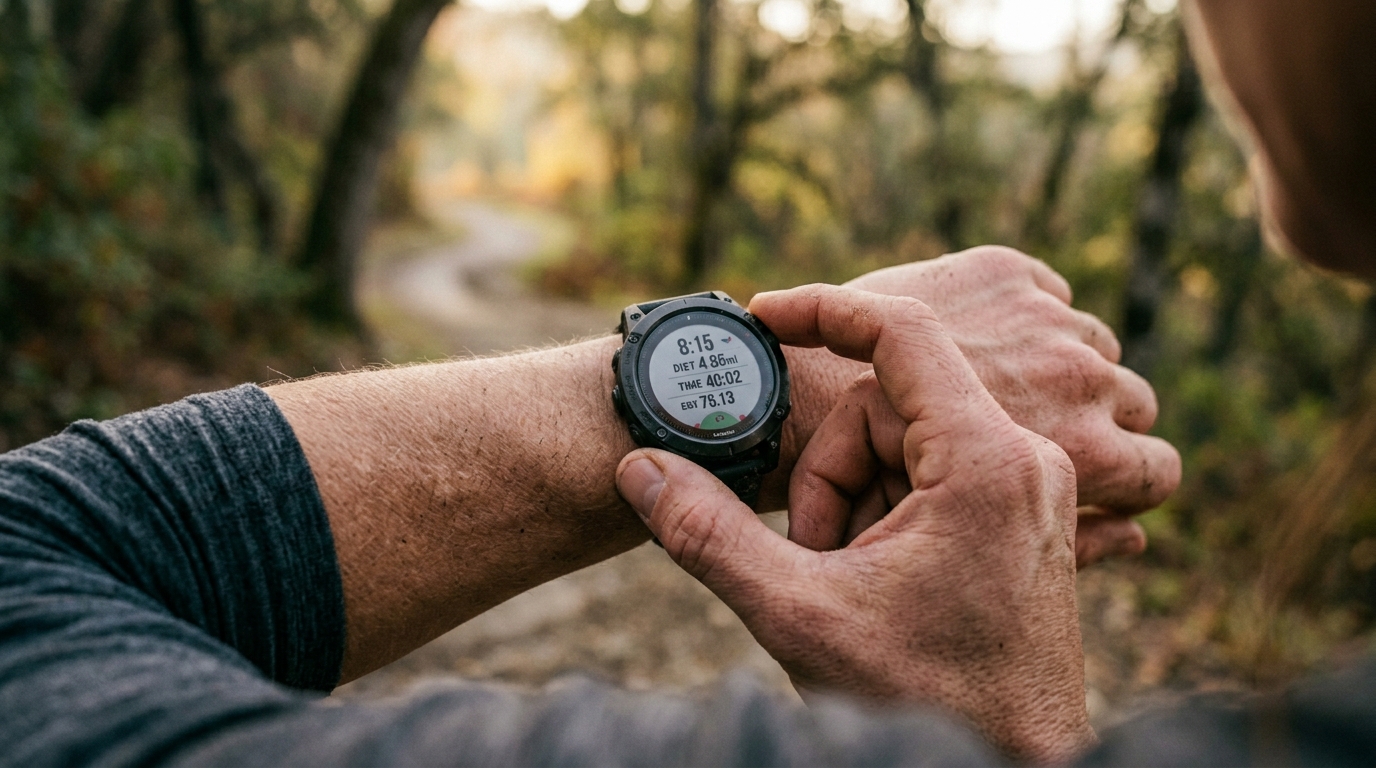
Effort monitoring: Run at conversational pace. This is slow, especially at first. Most beginners start too fast and pay for it after 5 minutes. Use the GPS watch to confirm you're running at 7–10 minutes per kilometre. Faster than this is not better. The walk-run method works because the running intervals stay easy enough to recover from.

Walk intervals: Walking is not failure. It's technique. During the walk intervals, walk briskly (not strolling). Keep moving forward. Use the walk to bring the heart rate down fully before the next running interval. This recovery is what allows beginners to accumulate far more running time than they could manage continuously.

Finishing a run: The first few sessions feel harder than they should. This is normal and temporary. By Week 3–4, the effort for the same session decreases noticeably. That's adaptation. It's working. The goal is to finish each session tired but able to do it again in 48 hours. If that's not possible, the session was too hard.

Cool-down (5 minutes): Walk for 5 minutes after the final running interval. This allows heart rate to return toward resting and prevents blood pooling in the legs. Don't stop suddenly and sit down. Keep moving. The cool-down walk is as important as the warm-up.

Stretching after: Static stretching after a run (when muscles are warm) reduces tightness and improves flexibility over time. Focus on: hip flexors (lunge stretch), quads (standing, pull foot to glutes), hamstrings (forward fold), calves (step stretch on a kerb). Hold each for 30–45 seconds. Don't bounce.
This programme takes a complete beginner to running 30 minutes continuously, approximately 5K at a comfortable pace. It's based on the walk-run method: alternating short running intervals with walking recovery. Three sessions per week. Rest or walk on other days.
- Weeks 1–2: Warm up 5 min walk. Repeat: run 1 min, walk 2 min × 6. Cool down 5 min walk. (Total running: 6 min per session)
- Weeks 3–4: Warm up 5 min walk. Repeat: run 2 min, walk 2 min × 5. Cool down 5 min walk. (Total running: 10 min per session)
- Week 5: Warm up 5 min walk. Repeat: run 3 min, walk 90 sec × 4. Cool down 5 min walk. (Total running: 12 min per session)
- Week 6: Warm up 5 min walk. Repeat: run 5 min, walk 2 min × 3. Cool down 5 min walk. (Total running: 15 min per session)
- Week 7: Warm up 5 min walk. Run 10 min, walk 2 min, run 10 min. Cool down 5 min walk. (Total running: 20 min per session)
- Week 8: Warm up 5 min walk. Run 30 minutes continuously. Cool down 5 min walk. You have run 5K.
If a week is too hard, repeat it
This isn't a race. If Week 5 feels too much of a jump from Week 4, run Week 4 again. There's no shame in repeating a week: it's the correct response to your body telling you it needs more adaptation time. The programme is a guide, not a schedule you must follow exactly.
Your pathway to mastery
Beginner (you're here)
Week 1–8Walk-run programme. 30 minutes of continuous running. Getting to 5K without injury.
Developing
Month 3–12Entering a parkrun (free, Saturday morning, 5K, everywhere in the UK). Building weekly mileage to 20–25km. First 10K race. Running becoming a regular, unremarkable part of the week.
Confident
Year 2Half marathon training. Structured training plans. Strength and conditioning to support running. Nutrition for longer efforts. A race time you're proud of.
Skilled
Year 3+Marathon. Ultramarathon. Trail running. Masters athletics. Running as a long-term practice, not a project: something that continues regardless of race targets.
Best resources
Community
Reader tips
No tips yet. Be the first to share what worked for you.
Share a tip
Sign in to share what worked for you.
Same category
What to learn next
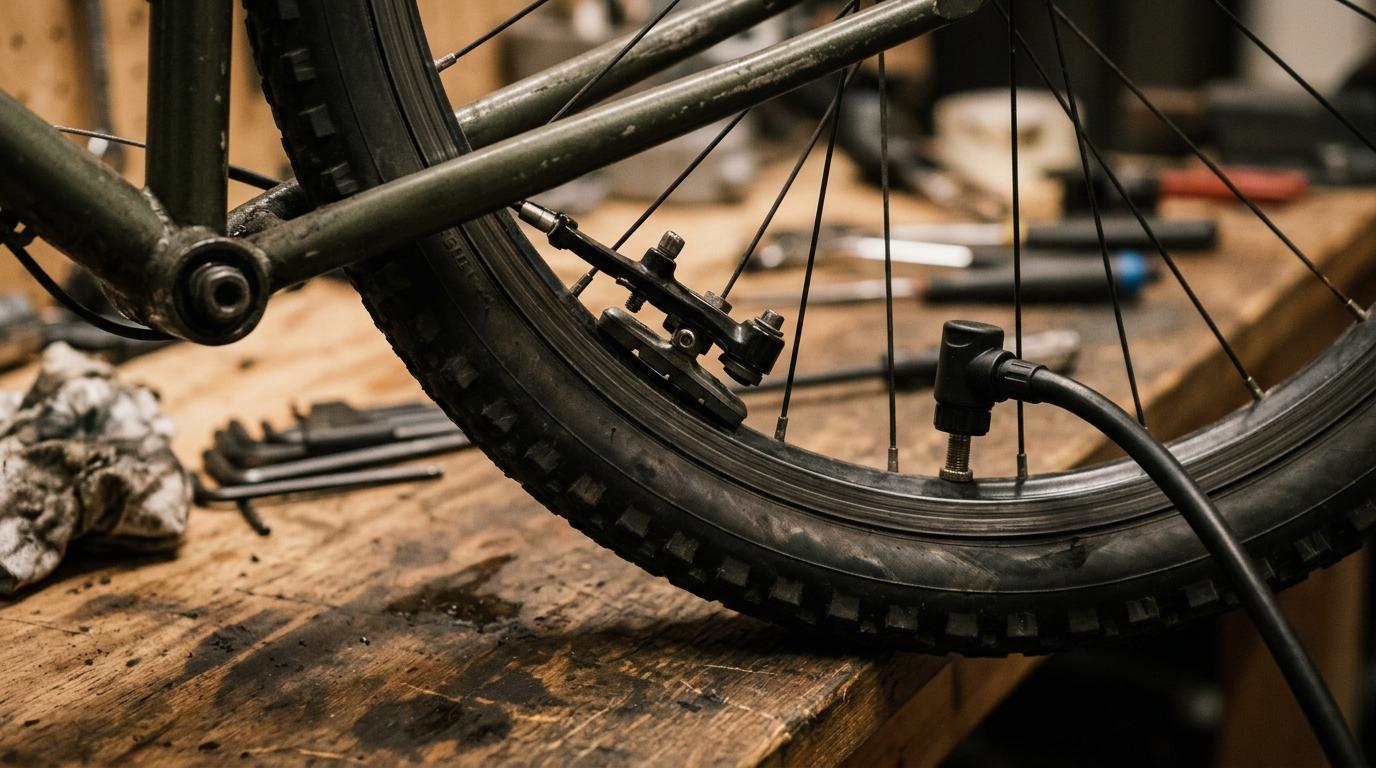
Bicycle Maintenance
Fix a puncture, adjust brakes, clean and lube a drivetrain. The core maintenance skills every cyclist needs. No bike shop required.
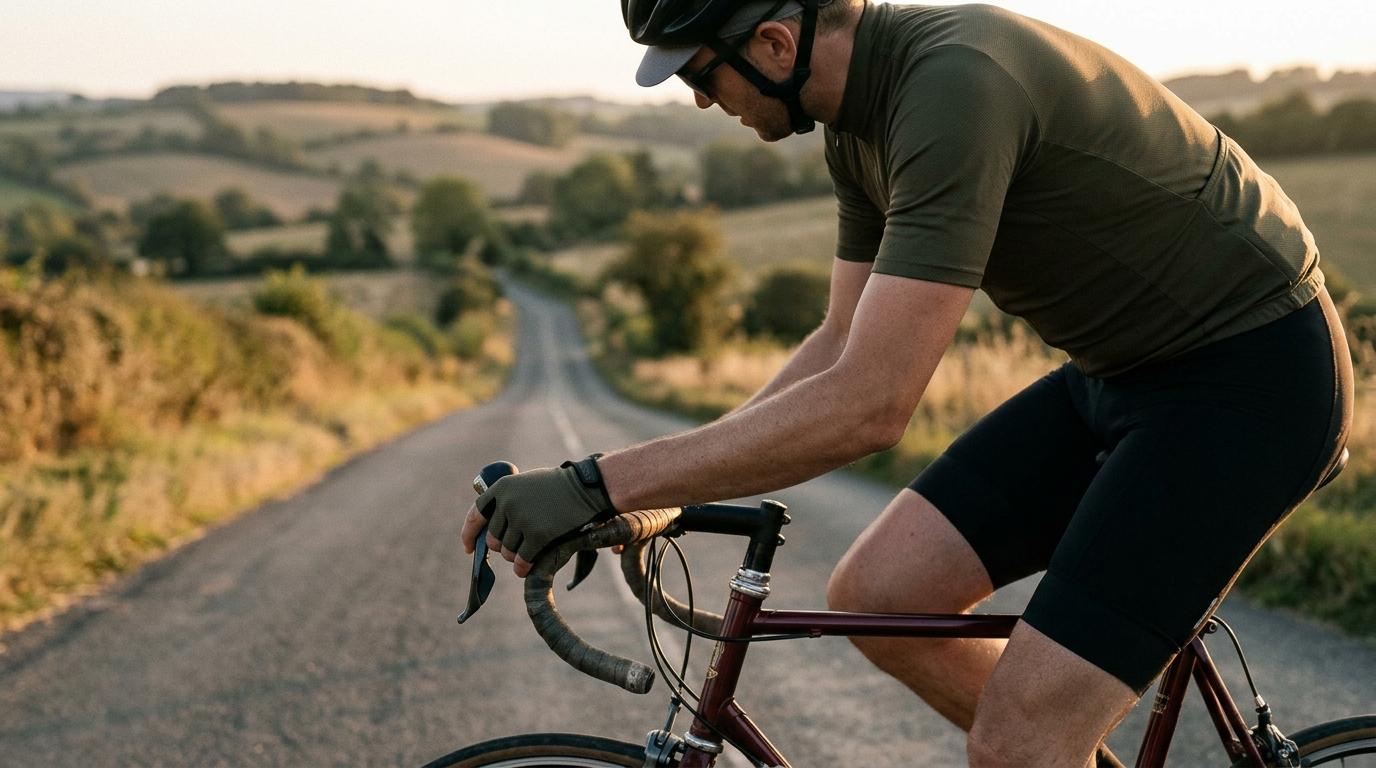
Bicycle Touring
Plan and complete your first bicycle tour. Kit selection, route planning, pacing, camping or accommodation, mechanical basics, and how to manage a loaded bike.

Foraging: Hedgerow Harvest
Late summer foraging in the British hedgerow: elderberries, blackberries, sloe, hawthorn, hazelnuts, and field mushrooms. Learn to identify, harvest, and use what grows wild.
Side quests