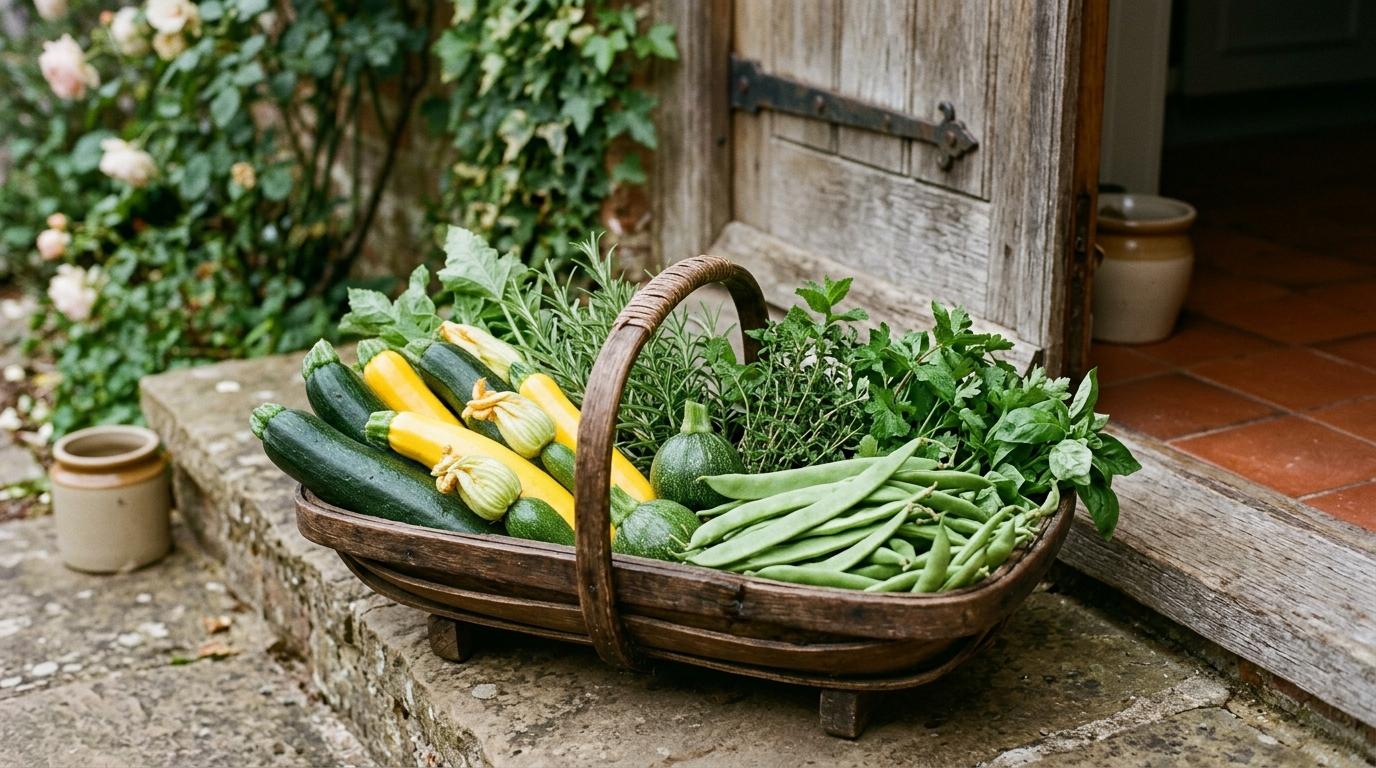
What you need to get started
Growing food doesn't require special equipment or a large garden. Start small: a few pots or a grow bag. Expand once you've learned what works in your space.
Space
A south or west-facing windowsill grows herbs and salad leaves all year. A single grow bag (40 litres) on a balcony grows tomatoes, courgettes, or salad. Three square metres of ground grows enough salad leaves for weekly harvesting across an entire summer.
Equipment
Grow bags or large pots (40L+)
£3–6 eachStandard grow bags from garden centres. Larger pots grow better because they hold more moisture and nutrients. 40L minimum for tomatoes.
Affiliate link. We may earn a small commission.
Seed compost (peat-free)
£6–10 for a 20L bagSeed compost has a finer texture and lower nutrient level than general compost. Seeds don't need high nutrients; they need to germinate and establish roots.
Affiliate link. We may earn a small commission.
General compost (peat-free)
£7–12 for a 40L bagOnce seedlings are established and transplanted, they need more nutrients. Top up grow bags and beds with general compost.
Affiliate link. We may earn a small commission.
Seed trays or module trays (6-cell or 12-cell)
£3–6 for a pack of 10 traysStarting seeds in small modules prevents root disturbance at transplanting. The seedling comes out as a neat block, less shock, faster establishment.
Affiliate link. We may earn a small commission.
Watering can with a rose head
£8–14A fine rose disperses water gently and won't blast out seeds or damage seedlings. 5L or 7L size is practical.
Affiliate link. We may earn a small commission.
Seeds
£2–4 per packet; a starter collection for £15–20Buy from a reputable UK supplier. Varieties are listed for our climate and germination rates are tested. Start with radishes, salad leaves, French beans, and courgettes.
Affiliate link. We may earn a small commission.
Where to buy seeds and supplies (UK)
- Suttons Seeds: Classic UK seed company; excellent catalogue, tried-and-tested varieties
- RHS Online Shop: Quality seeds and reliable varieties; profits support horticultural research
- Marshalls Seeds: Wide range including unusual varieties; good value
- Local garden centre: For compost, pots, and tools; buying heavy compost locally saves on delivery
Avoid buying seeds from generic marketplaces. Germination rates are often poor and varieties may not suit UK conditions.
Some links are affiliate links. Airgap.life may earn a small commission at no extra cost to you.
Theory, technique & terminology
How plants work
A seed contains a complete embryo plant and enough stored food to germinate. Once germinated, the plant needs water, nutrients, and light to photosynthesise: converting CO₂ and water into sugar using sunlight. Roots absorb water and nutrients from the soil. Leaves capture light. Everything you do as a grower is adjusting these inputs.
The three enemies: frost, drought, waterlogging
Frost kills tender plants. Most vegetables can't survive temperatures below 0°C. In the UK, the last frost date in most areas is between late March (south) and mid-May (north). Don't plant tender crops outside before then. Drought causes bolting and bitter flavour in salad leaves. Waterlogging rots roots. Pots must have drainage holes.
Sowing: direct vs. starting under cover
Direct sowing means putting seeds straight into the ground or pot where they'll grow. Good for root vegetables (carrots, beetroot, which hate transplanting) and fast crops (radishes, salad leaves). Starting under cover means germinating in trays indoors or in a greenhouse, then transplanting when seedlings are established. Better for slow crops (tomatoes, peppers, leeks) and extends the season.
UK growing calendar overview
Season timing is everything. Understanding what to do each month is worth more than any technique. The full 12-month plan is in Step 3.
The soil is the crop
Most beginner failures come from poor soil, not poor technique. Good growing compost, enriched annually with homemade compost or well-rotted manure, will outperform perfect technique in bad soil every time. Dig in organic matter every autumn.
Terminology
History
Humans have cultivated food for approximately 12,000 years, from the first deliberate planting of emmer wheat in the Fertile Crescent around 10,000 BCE. The walled kitchen garden, the "potager" in French, emerged in medieval monasteries as a way to produce food and medicinal herbs within a defensible structure. English kitchen gardens reached their peak in the 18th and 19th centuries. Large country house gardens employed dedicated head gardeners who produced vegetables, fruit, and cut flowers for a household of dozens. The allotment system was created by the Allotments Act of 1887, ensuring working-class families access to a plot of land to grow food. During both World Wars, the "Dig for Victory" campaign made home food production a national duty.
The project: your first harvest season
A 12-month plan for a beginner grower in the UK. Start wherever you are in the calendar: most of these can be adapted to the current month.
Plan and order seeds. Chit seed potatoes (leave in a cool, light place to sprout). Start chillies and peppers on a warm windowsill: they need the longest season.
Sow tomatoes, courgettes, and squash indoors. Direct sow broad beans and onion sets outside if ground isn't frozen. Start salad leaves in trays.
Prick out tomato seedlings. Direct sow carrots, beetroot, peas, and radishes outside. Harden off anything started indoors. Plant early potatoes.
After last frost: transplant courgettes, tomatoes (into grow bags or large pots), and squash outside. French and runner bean seeds directly in the ground. Main crop potatoes in.
Succession sow salad leaves every 2–3 weeks. Train tomatoes up canes, pinch out side shoots, feed weekly with tomato fertiliser. Water everything consistently, daily in hot weather.
First courgette harvest (harvest small; they go bitter and huge if left). First tomatoes. Keep watering. Watch for blight on potatoes (yellow leaves, brown patches).
Peak harvest. Harvest courgettes constantly. Pick tomatoes as they ripen. Harvest carrots, beetroot, and beans. Dry garlic and onions if grown.
Lift maincrop potatoes. Last sowings of winter salads (mizuna, spinach, rocket). Plant garlic cloves for next year's harvest.
Clear spent crops. Dig in compost to beds. Protect winter salads with fleece. Plant broad beans for overwintering.
Rest and plan. Order seed catalogues. Do any structural work (raised beds, compost bins). Note what worked and what didn't.
Your pathway to mastery
First season: you're here
Year 1Salad leaves, radishes, courgettes, and tomatoes. Learning what water, timing, and soil quality mean in practice.
Productive grower
Year 2–3Year-round production: winter greens, overwintered garlic, successional salads. Understanding your specific microclimate.
Self-sufficiency skills
Year 3–5Saving seeds, propagating from cuttings, composting, crop rotation, growing for storage (squash, onions, garlic, potatoes).
Growing as practice
OngoingThe garden as a discipline: attention, patience, record-keeping. Teaching others, connecting with the growing community.
The people to learn from
- Charles Dowding: UK's leading no-dig gardening advocate; his approach reduces work while improving soil health. Excellent YouTube channel.
- Monty Don: Gardeners' World presenter; an inspiring communicator who makes the practice feel meaningful
- Alys Fowler: Author and grower focused on productive urban spaces and edible gardens
- Bob Flowerdew: Organic growing specialist on Gardeners' Question Time; practical and unsentimental
Best resources
Community
Reader tips
No tips yet. Be the first to share what worked for you.
Share a tip
Sign in to share what worked for you.
Same category
What to learn next
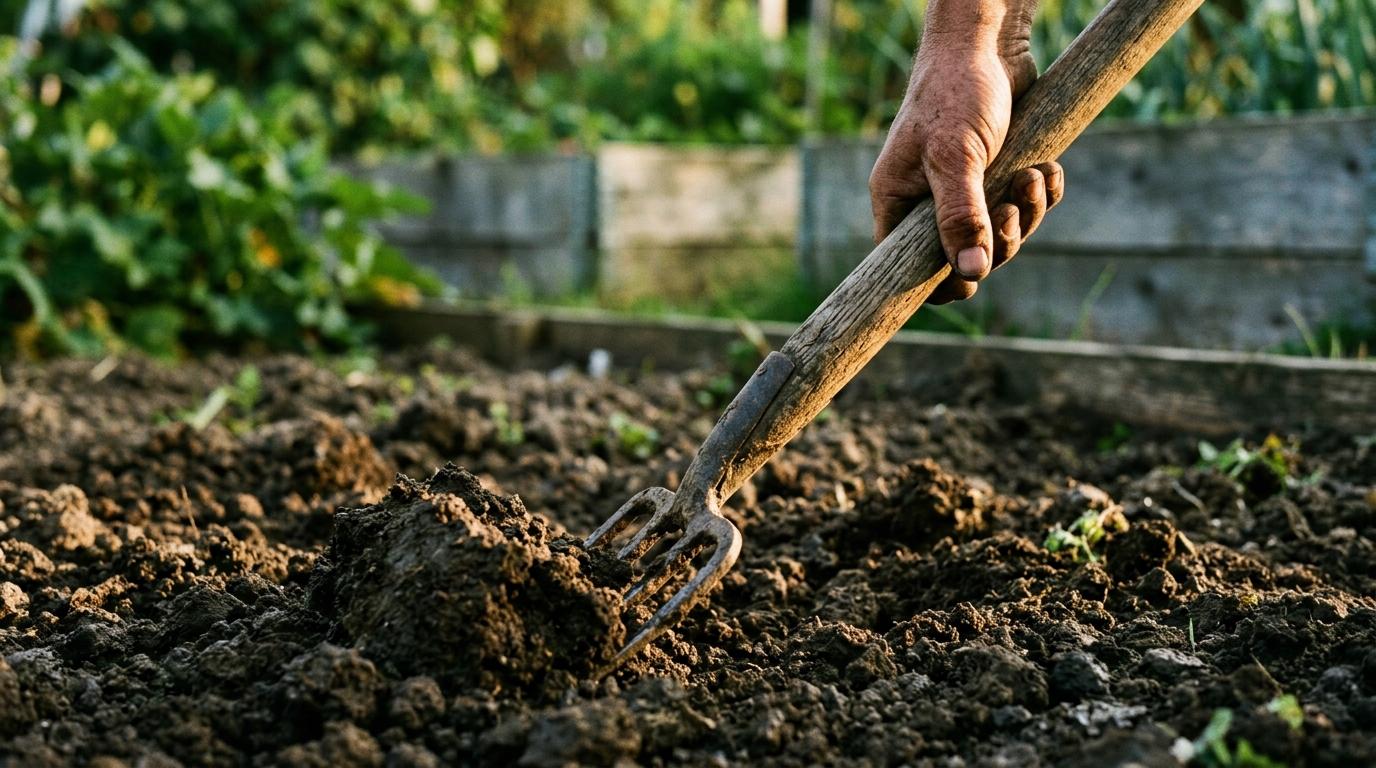
Your First Allotment
How to get an allotment, plan your plot, improve the soil, and grow your first full season of vegetables. The complete beginner's guide to UK allotment growing.
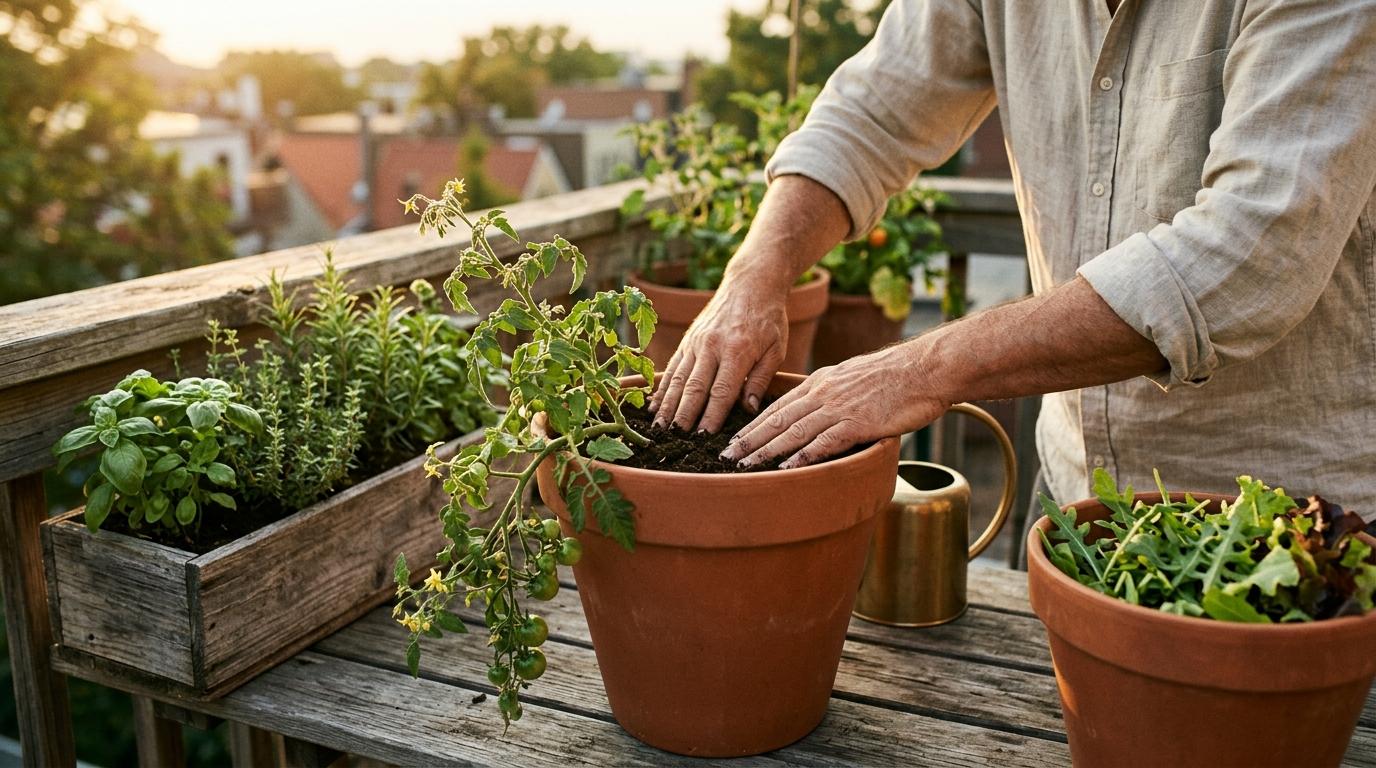
Balcony and Container Gardening
Grow food and flowers on a balcony, roof terrace, or patio. Container selection, compost, watering, and what works in small spaces.
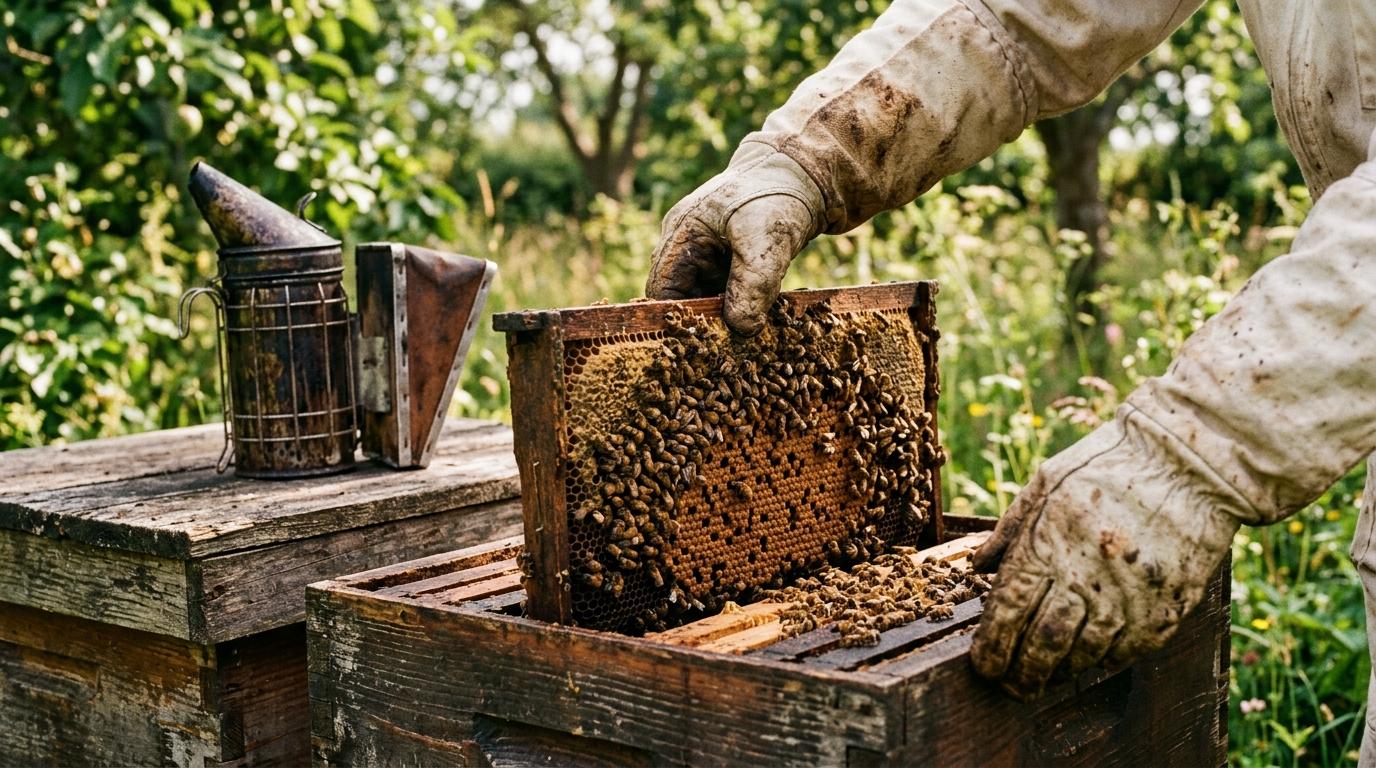
Colony Management and Bee Health
Inspecting and managing a honeybee colony: the seven-point frame check, swarm control, varroa and the notifiable foul broods, honey handling and the law. Preparation for the BBKA Basic Assessment.