Reading the colony
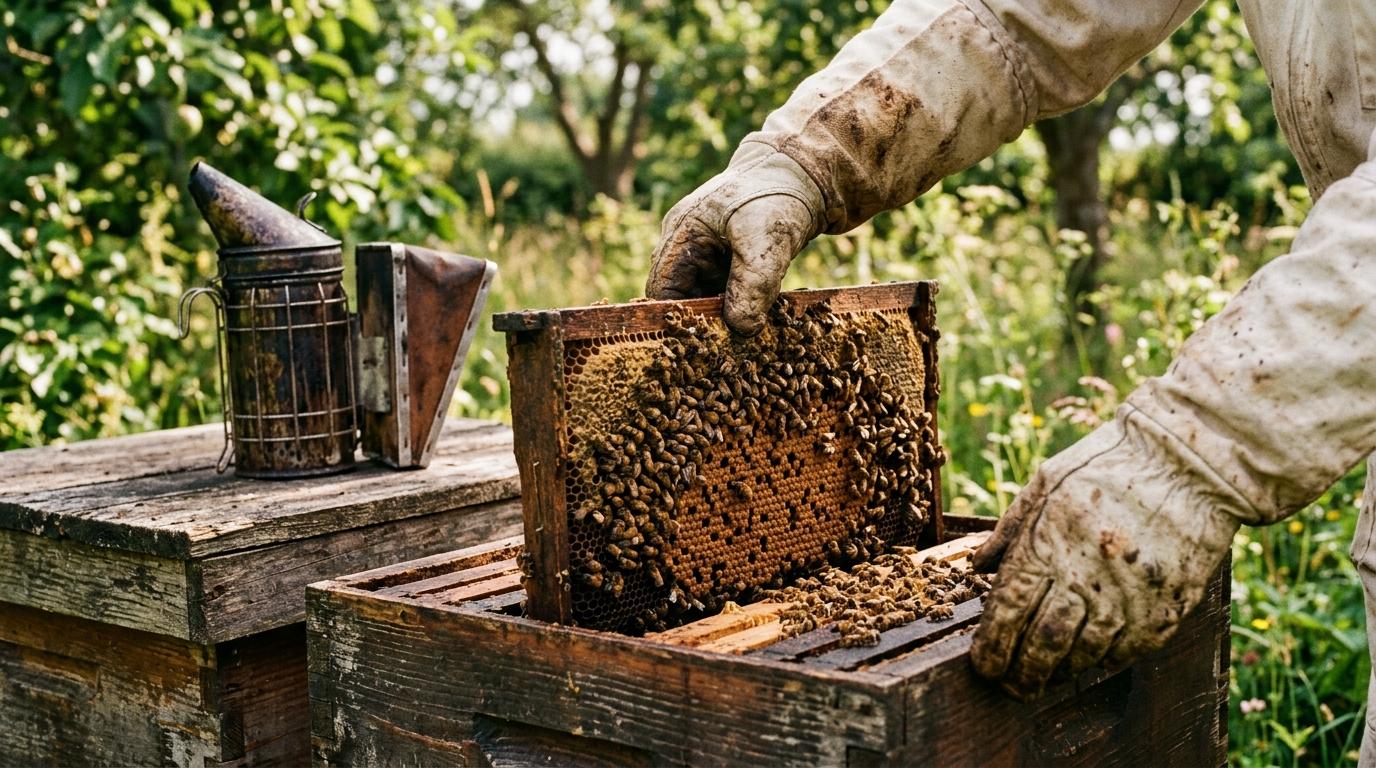
The first-hive course got you to bees in a box. This one is about the year after, which is where beekeeping lives, and it is the year the BBKA Basic Assessment asks about. The core skill is not handling bees calmly, though that helps. It is opening a hive, reading what the frames tell you, and deciding whether to do anything.
What you check, every time
The assessor is watching the handling as much as the answers
In the Basic Assessment you open a colony in front of someone. What they are looking for is calm, deliberate, considerate handling: smoke used sparingly, frames lifted and turned without rolling bees, the box left as you found it. Rough handling that ends with crushed bees loses marks even when every answer is right, and rightly, because it is worse beekeeping.
Community
Reader tips
No tips yet. Be the first to share what worked for you.
Share a tip
Sign in to share what worked for you.
Same category
What to learn next
Your First Allotment
How to get an allotment, plan your plot, improve the soil, and grow your first full season of vegetables. The complete beginner's guide to UK allotment growing.
Balcony and Container Gardening
Grow food and flowers on a balcony, roof terrace, or patio. Container selection, compost, watering, and what works in small spaces.
Composting
Learn to make great compost: bin types, the browns and greens balance, hot and cold methods, troubleshooting, and using the finished product across the garden.