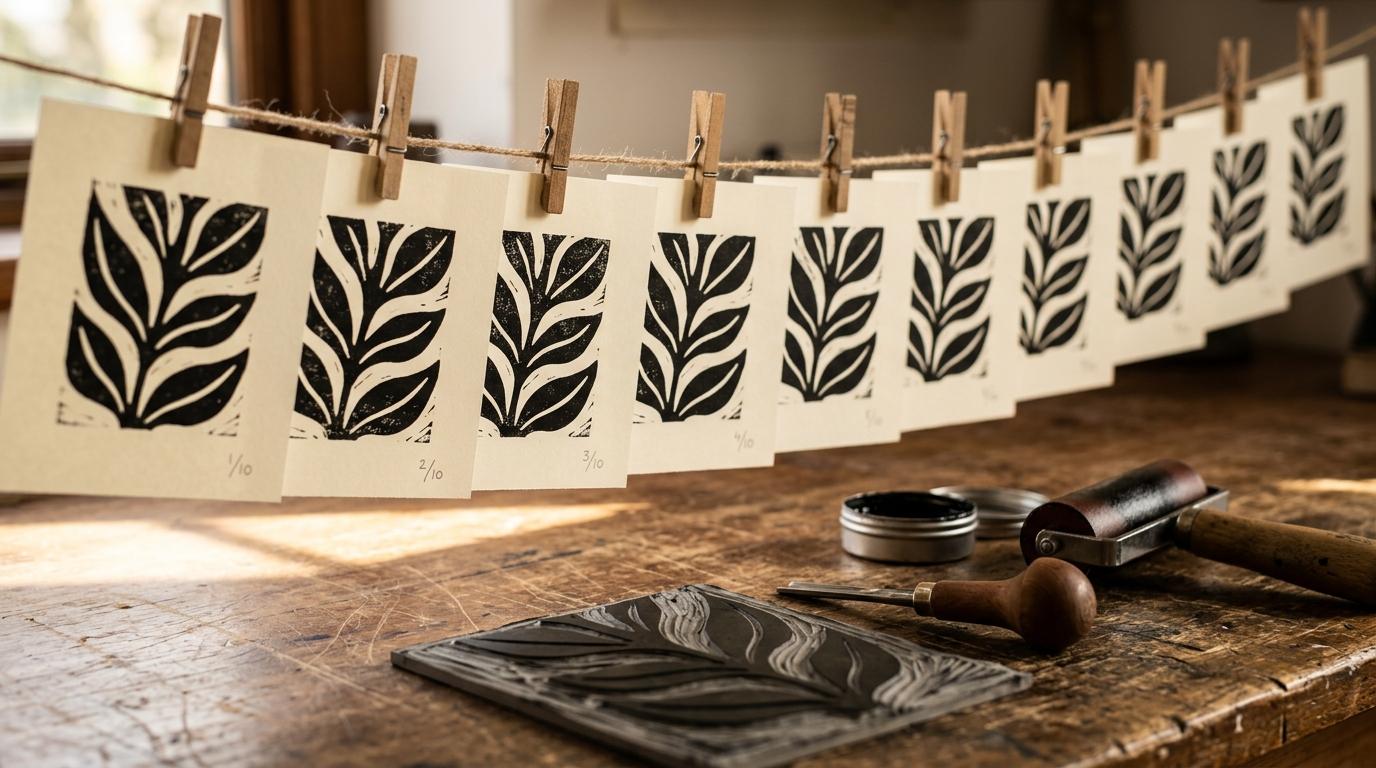
What you need to get started
Linocut is printmaking without a press. The only tools that matter are the carving gouges and the block. Everything else is inexpensive and widely available.
Soft-cut lino or traditional grey lino
£4–10 for a starter blockSoft-cut lino (Speedball Speedy-Carve, E-Z Cut) is forgiving and easy for beginners: it carves with minimal resistance. Traditional grey lino is harder (warm it on a radiator before carving) but accepts finer detail. A5 or A4 blocks are a good starting size.
Affiliate link. We may earn a small commission.
Lino carving tools: a basic set
£8–20 for a beginner set; £4–6 for a single Pfeil gougeA set of 5–6 gouges covers everything you need: V-tool for fine lines and outlines; U-gouge (small) for hatching; U-gouge (large) for clearing big areas of background; flat chisel for edges. Pfeil (Swiss Made) gouges are the quality standard; Speedball's Linoleum Cutter Set is a reliable beginner option.
Affiliate link. We may earn a small commission.
Relief printing ink (water-based)
£5–10 per tube (one tube lasts many sessions)Water-based ink cleans up with water and is safe for home use. Oil-based inks give richer results but require solvents to clean. Caligo Safe Wash Relief Inks (oil-based but water-washable) are the preferred compromise for serious beginner work.
Affiliate link. We may earn a small commission.
A rubber brayer (roller)
£6–12For rolling ink onto the lino block evenly. A 10cm brayer is the most useful size for A5 and A4 blocks. Hard rubber rollers are better than soft foam for relief printing: more even ink distribution.
Affiliate link. We may earn a small commission.
Printing surface: glass or perspex
£0–5 (use what you have)You roll ink on the brayer using a flat non-absorbent surface before rolling it onto the block. A small piece of glass (a picture frame glass works) or a perspex sheet is ideal. A ceramic tile works fine.
Affiliate link. We may earn a small commission.
Paper matters
Smooth cartridge paper takes ink from linocut reliably. Japanese tissue paper (kozo) gives beautiful results for fine work. Newsprint is cheap for test printing. Avoid card or thick watercolour paper: they don't pick up ink evenly without a press. Japanese papers from Khadi or Awa Washi are excellent if you want to invest in the print surface.
Community
Reader tips
No tips yet. Be the first to share what worked for you.
Share a tip
Sign in to share what worked for you.
Same category
What to learn next
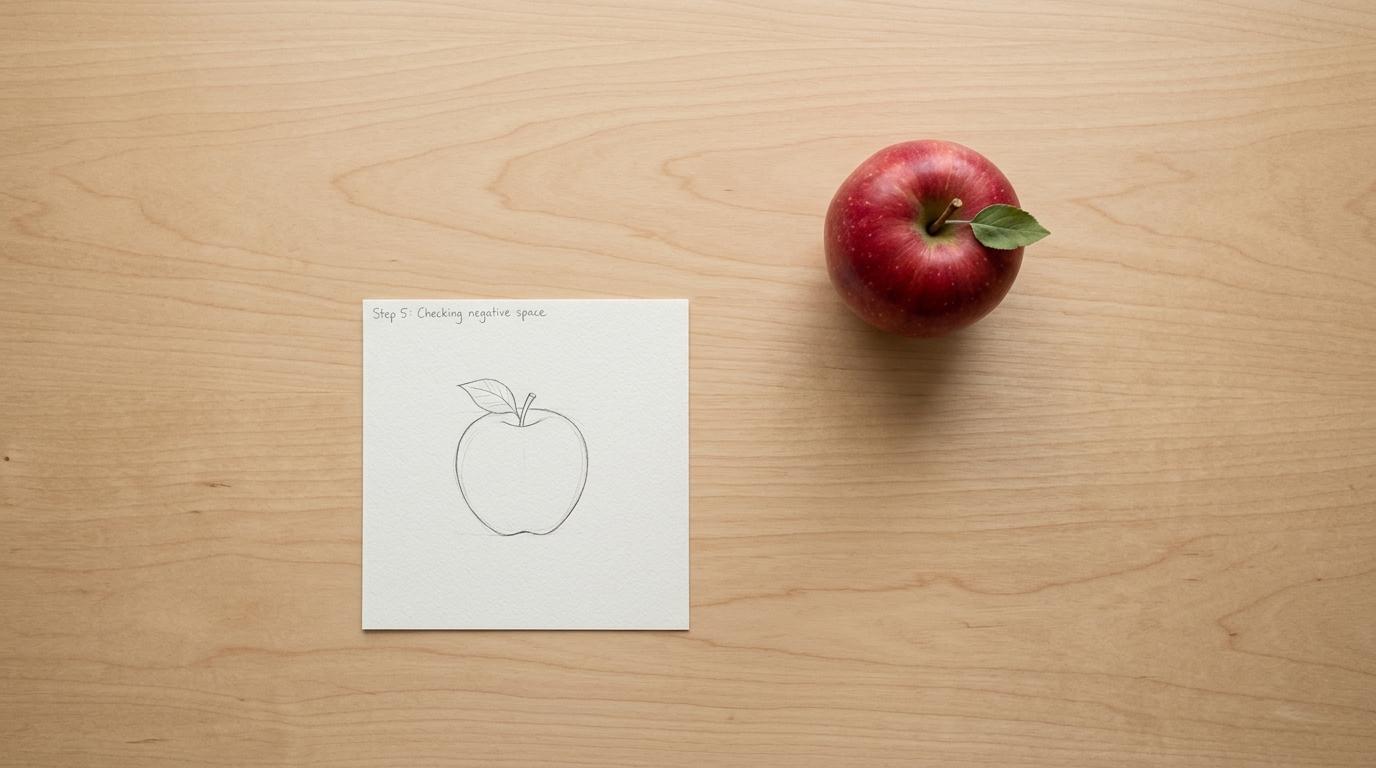
Drawing from Observation
You don't need talent, you need to learn to see. Drawing from observation teaches you to put aside what you know and draw what's actually in front of you.
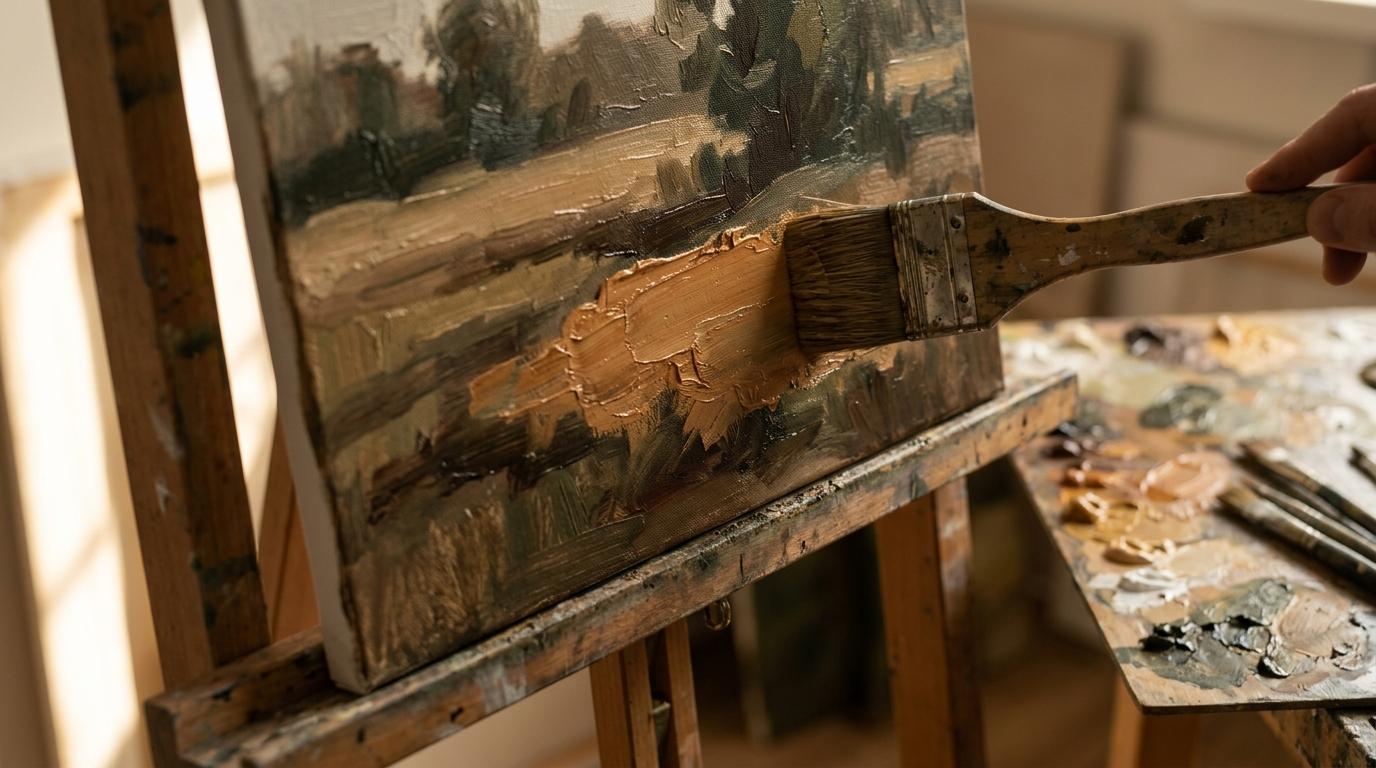
Oil Painting: Getting Started
Oil paint is slow, forgiving, and luminous. Learn the medium's principles: fat over lean, alla prima, colour mixing, and paint your first still life in oils.
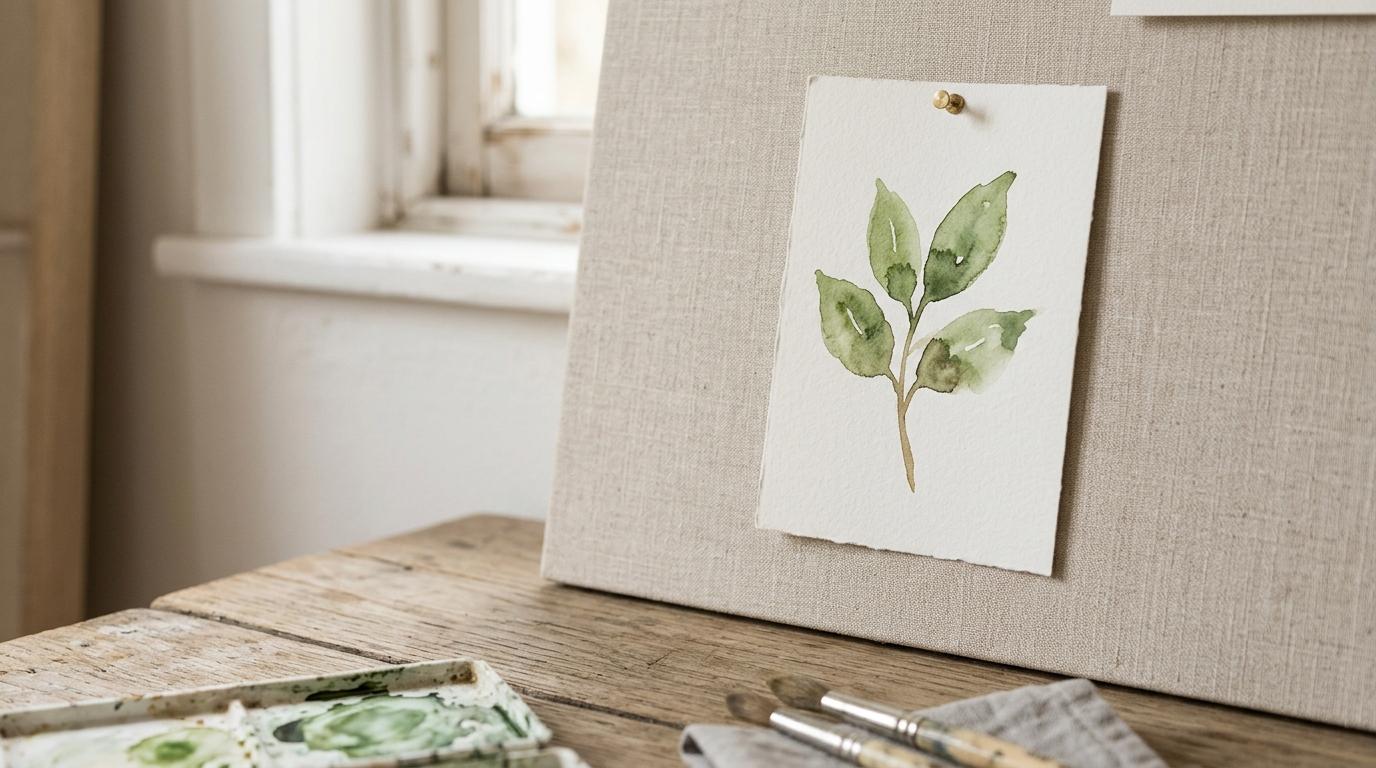
Watercolour for Beginners
Master water control, mixing, and light-to-dark technique. Paint a complete landscape on your first day.