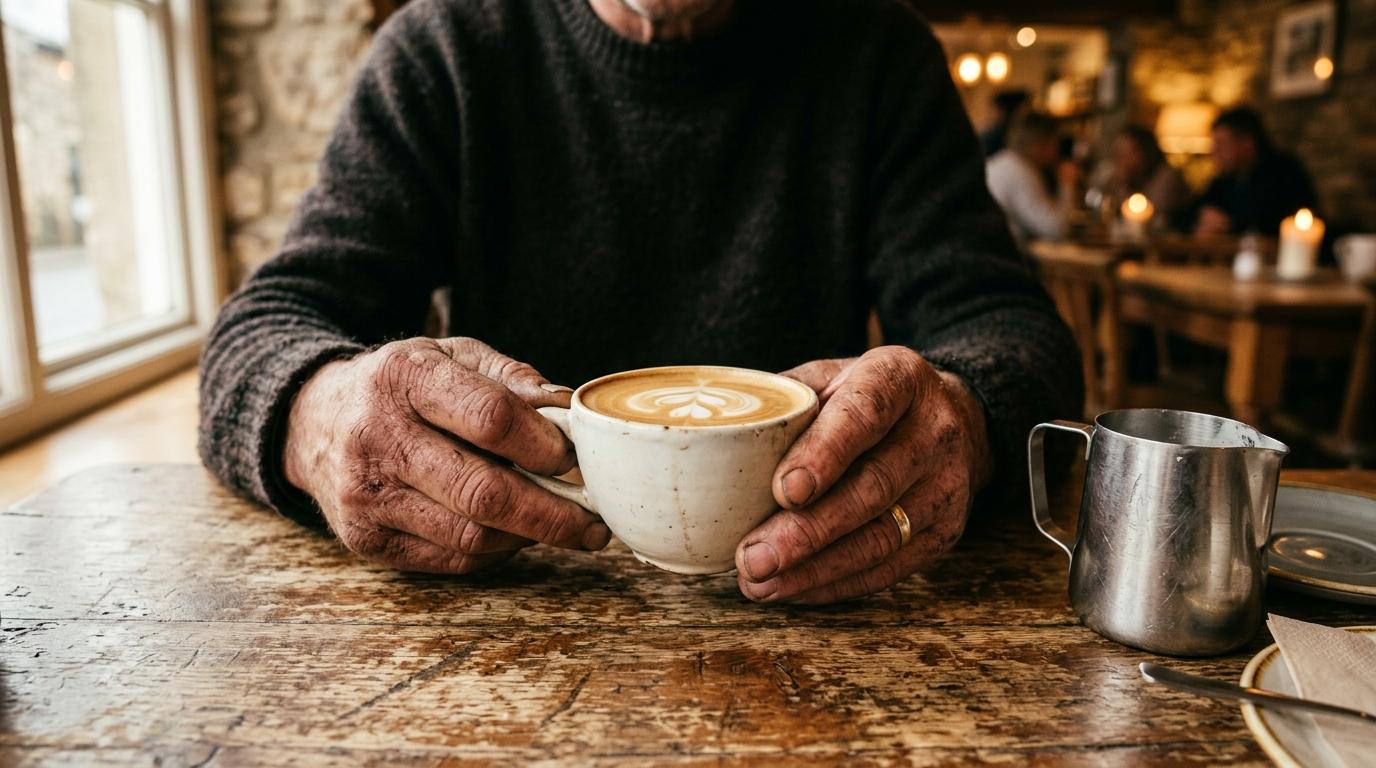
The espresso variables
The airgap coffee course is about brewing: pour-over, extraction science, getting a good cup at home without a machine. This one is about the other half of the craft, the half a café actually sells: espresso and milk. Almost nothing here overlaps, because espresso is a different problem. You are pushing water through a compressed bed of very fine coffee at high pressure in under half a minute, and every variable is fighting the others.
The recipe, in three numbers
Why the ratio matters more than any single number
A shot is a compromise between strength (how much dissolved coffee per unit of water) and extraction, how much of the available material you have pulled out of the grounds. Push the ratio wider (more yield from the same dose) and you extract more but dilute; pull it tighter and you get an intense, less-extracted shot. 1:2 is a sensible middle. The point of writing the recipe down as three numbers is that it makes the shot repeatable, which is the entire difference between a café and a kitchen.
Espresso scales, 0.1g resolution with a timer
£20–40You cannot dial in what you cannot measure, and this is the tool that turns espresso from guesswork into a process. 0.1g resolution for the dose, a built-in timer for the shot, and small enough to sit on the drip tray under the cup. The single highest-value purchase for anyone learning espresso.
Affiliate link. We may earn a small commission.
Tamping is about level, not strength
The received wisdom that you must tamp with 30lb of force is a distraction. What matters is that the bed is level and evenly compacted, so water cannot find a preferential path through it. Beyond enough pressure to consolidate the puck, extra force changes very little. Distribute the grounds evenly first, tamp flat, and put the effort into grind and dose instead.
Community
Reader tips
No tips yet. Be the first to share what worked for you.
Share a tip
Sign in to share what worked for you.
Same category
What to learn next
Home Beer Brewing
Brew your first batch of real ale at home. Equipment, ingredients, the brewing process, fermentation, and bottling, step by step.
Beer: Styles, Serving and Off-Flavours
Beer styles, storage and draught service, glassware, pouring, and the common off-flavours and their causes. Preparation for the Cicerone Certified Beer Server (Level 1) exam.
Bread Baking from Scratch
Your first proper loaf in an afternoon. Flour, water, salt, time, and the foundations of a skill that will feed people for life.