Choosing your tree: species, rootstock, and form
The most important decision in fruit tree growing happens before you buy anything. Get the rootstock wrong and you'll spend the next decade managing a tree twice the size you wanted, or one that barely grows at all. Get the form wrong and you'll be fighting the tree's natural shape every winter instead of working with it. Spend thirty minutes on these decisions and the next forty years of growing become easier.
Species first
Apple is the most forgiving and most widely grown. Thousands of varieties, stores well, tolerates most UK soils. The best starting choice for a beginner.
Pear needs a warmer, more sheltered spot. Slower to come into bearing: three to five years. Pears on quince rootstocks keep trees manageable. Worth growing if you love pears; skip if your site is exposed or north-facing.
Plum and damson: productive and relatively easy, but can't be pruned in autumn or winter (risk of silver leaf disease). All pruning happens in early summer when the tree is actively growing and sap is flowing. This single rule catches most beginners out.
Cherry: dual-season interest, blossom and fruit. Needs netting against birds. Sweet cherries are large trees unless on Gisela 5 rootstock; acid cherries (Morello) are smaller and more shade-tolerant.
Rootstocks: why they matter
The rootstock controls the ultimate size of the tree and how soon it fruits. Every named fruit tree is grafted onto a rootstock: the roots and lower trunk of a different, size-controlling plant. The fruit characteristics come from the grafted variety; the vigour and size come from the rootstock.
For apples, the most commonly used rootstocks are: M27 (very dwarfing, tiny tree, needs permanent staking, fruits in 2–3 years, suits containers or very small spaces), M9 (dwarfing, compact bush, needs staking, best for cordons and small gardens, fruits quickly), M26 (semi-dwarfing, good general-purpose choice for most home gardens, usually permanent stake not needed after establishment), MM106 (semi-vigorous, good for espaliers and half-standards, suits most soils), M25 (vigorous, full-sized standard tree, suitable only if you have space and want eventual free-standing size).
For most home gardens, M26 or MM106 on an apple is the right choice.
Trained forms
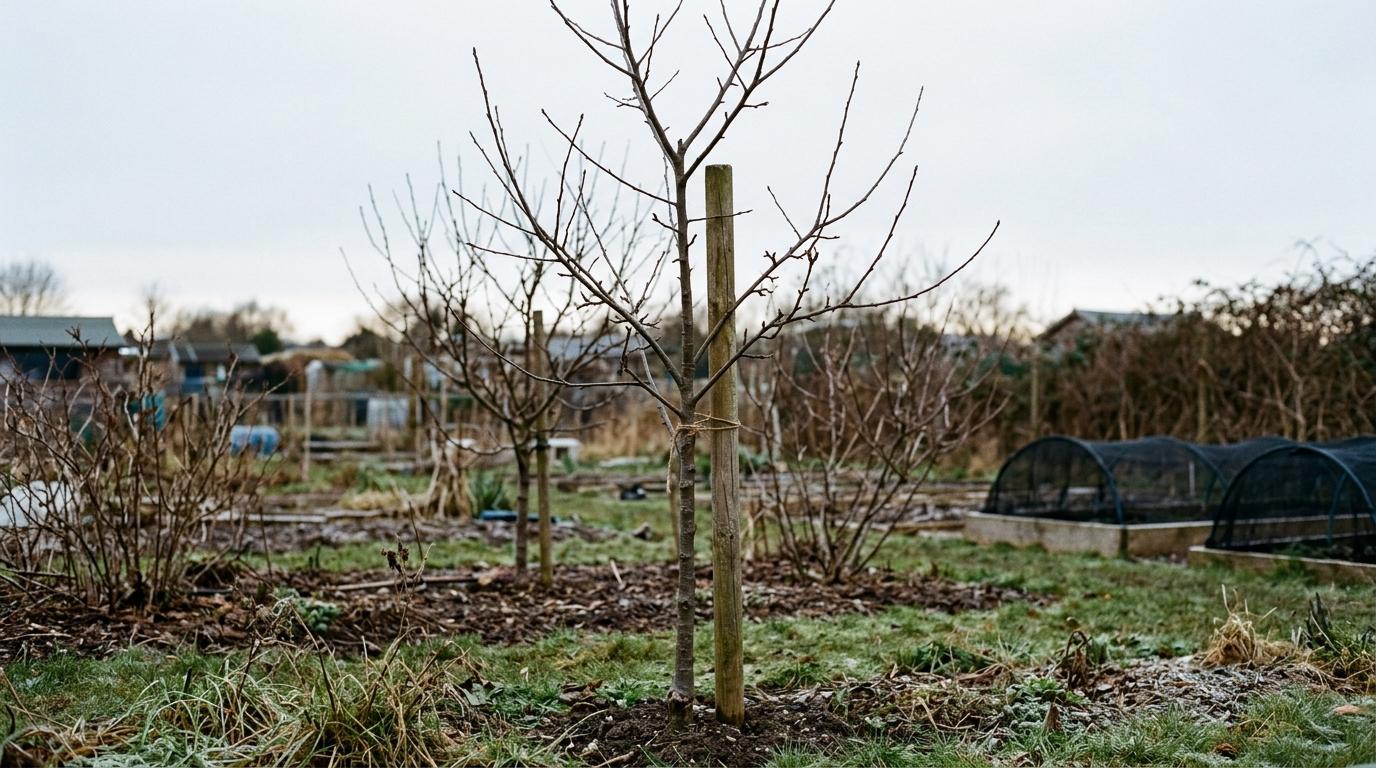
Bush: an open-centred tree on a short leg, three to four feet at the lowest branch. The most common and easiest to manage. Suits M26 or MM106.
Cordon: a single upright stem trained at an angle (usually 45°) against a fence or wire. Very space-efficient. Suits small gardens. Requires M9 rootstock. You can grow five or six different varieties in the space one bush tree takes.
Espalier: horizontal tiers of branches trained against a wall or wire. Ornamental and productive. Suits a south or west-facing wall. Requires several years to train and annual maintenance, but spectacularly productive once established.
Fan: branches spread in a fan shape. Suits stone fruits (plum, cherry, peach) against a wall.
Buy from a specialist nursery
Supermarket and garden centre trees are usually container-grown in a limited range of rootstocks, with no information about variety characteristics. A specialist fruit nursery (Brogdale, Orange Pippin, Keepers Nursery, Frank P Matthews) stocks hundreds of varieties, advises on pollination partners, and sells trees on the right rootstock for your space. The quality difference is real.
Community
Reader tips
No tips yet. Be the first to share what worked for you.
Share a tip
Sign in to share what worked for you.
Same category
What to learn next
Your First Allotment
How to get an allotment, plan your plot, improve the soil, and grow your first full season of vegetables. The complete beginner's guide to UK allotment growing.
Balcony and Container Gardening
Grow food and flowers on a balcony, roof terrace, or patio. Container selection, compost, watering, and what works in small spaces.
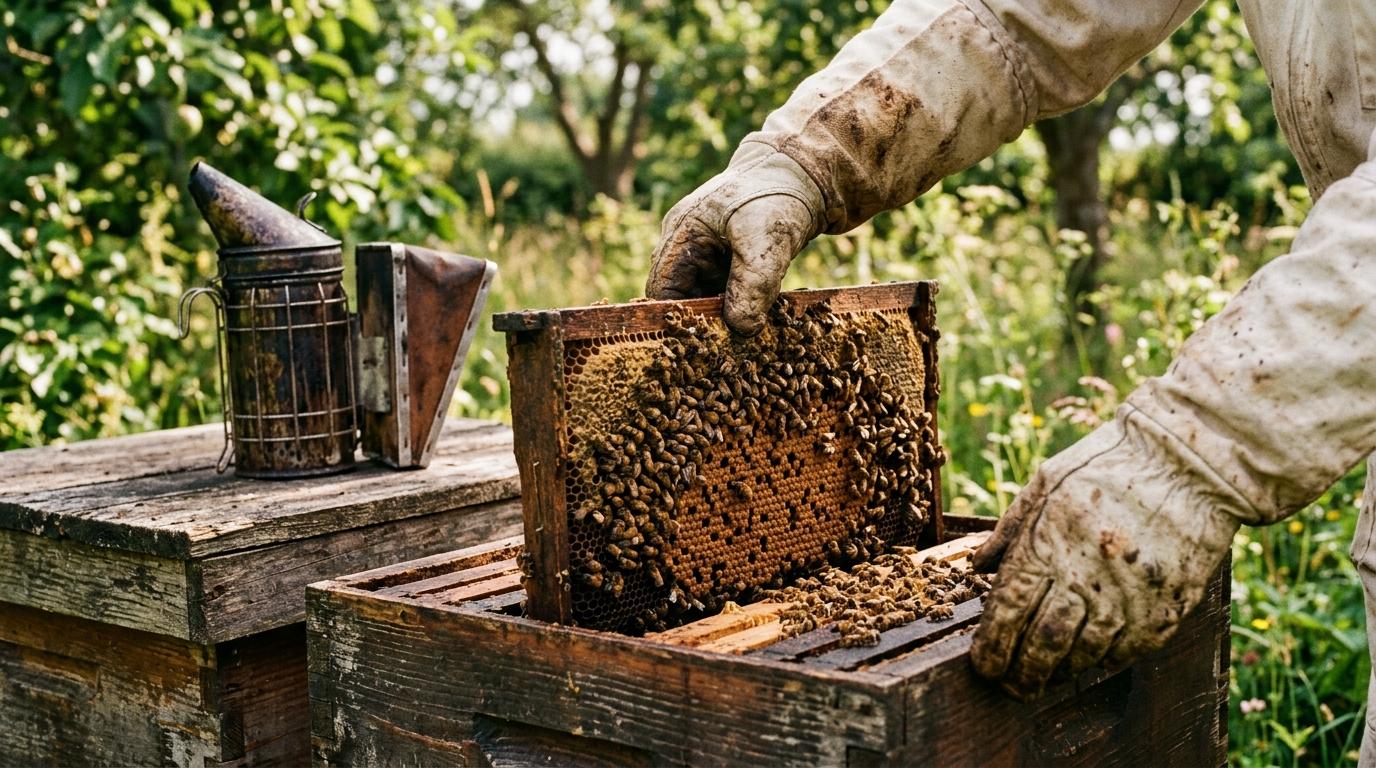
Colony Management and Bee Health
Inspecting and managing a honeybee colony: the seven-point frame check, swarm control, varroa and the notifiable foul broods, honey handling and the law. Preparation for the BBKA Basic Assessment.
Side quests