Kit and the flat-to-3D idea
everything sewn from cloth starts flat and ends up wrapped around something: a body, a cushion pad, a week's holiday packing. the whole craft of shaping comes down to three moves. take flat area away (darts), let corners open out (boxing), or add a wall of fabric between two panels (gussets). learn the three and every pattern you ever read afterwards is suddenly legible, because a pattern is just these moves written down.
the kit is small because shaping is technique, not tools. what it does demand is marking and pressing, done properly.
Tailor's chalk or a heat-erasable pen
£3–6darts and boxed corners are sewn to marked lines, and the marks must survive handling then vanish afterwards. chalk brushes off anything; heat-erasable pens (Pilot Frixion is the one sewers use) iron away, though test on a scrap first as a few fabrics ghost
Affiliate link. We may earn a small commission.
Small sharp scissors for clipping
£4–8curve clipping means dozens of small snips to within two millimetres of a stitch line. embroidery scissors or thread snips give the control; using dressmaking shears for this is how stitch lines get cut through
Affiliate link. We may earn a small commission.
Point turner
£2–4a flat bamboo or plastic tool for pushing sewn corners out sharp from inside without stabbing through the stitching, which is what happens with scissors. the rounded end doubles as a seam creaser
Affiliate link. We may earn a small commission.
Half a metre of medium cotton or canvas
£0–8for the drills and the wash bag project. an old duvet cover or a charity shop curtain is ideal and free; buying new, a fat half-metre of cotton canvas does everything in this course
Affiliate link. We may earn a small commission.
Darts, corners, gussets
Darts: subtracting flatness
a dart is drawn as a long triangle: two legs meeting at a point. fold the fabric right sides together down the triangle's centre, match the legs, and sew from the wide end towards the point. the discipline is all at the tip: the last three or four stitches run nearly parallel to the fold, sewing off the edge to nothing, and the thread tails are tied rather than backstitched. press the dart to one side over a curved surface (a rolled towel works) and the fabric now cups. that cup is the entire secret of clothes that fit.
Boxed corners: width from nowhere
sew a simple bag: two rectangles joined at sides and base. it is flat as an envelope. now reach into a corner, flatten it so the side seam lies directly on the base seam, and a neat triangle forms. sew across that triangle at right angles to the seams, a measured distance from the point, and the envelope grows a rectangular base. the stitched line's length becomes the bag's depth. sew across at 8cm and the base is 8cm deep. every tote, wash bag and weekend bag base is this one move.
Gussets: adding a wall
a gusset adds fabric where boxing cannot. a strip gusset is a long band sewn between a bag's front and back panels, forming its sides and base in one piece: more sewing than boxing, but the shape is exact and the corners can be curved. the diamond gusset is the garment version, set into an underarm or the crotch of work trousers, adding movement precisely where seams otherwise tear. the pyjama course ahead uses this thinking; the weekend bag at the end of this path uses the strip.
Curves that lie flat
any curved seam fights you when turned. concave curves get clipped (straight snips into the allowance), convex curves get notched (small wedges cut out), both to within a couple of millimetres of the stitching. skip it and the seam bunches or strains; do it and the curve turns like it grew that way.
Project: the box-bottom wash bag
Mastery
Community
Reader tips
No tips yet. Be the first to share what worked for you.
Share a tip
Sign in to share what worked for you.
Same category
What to learn next
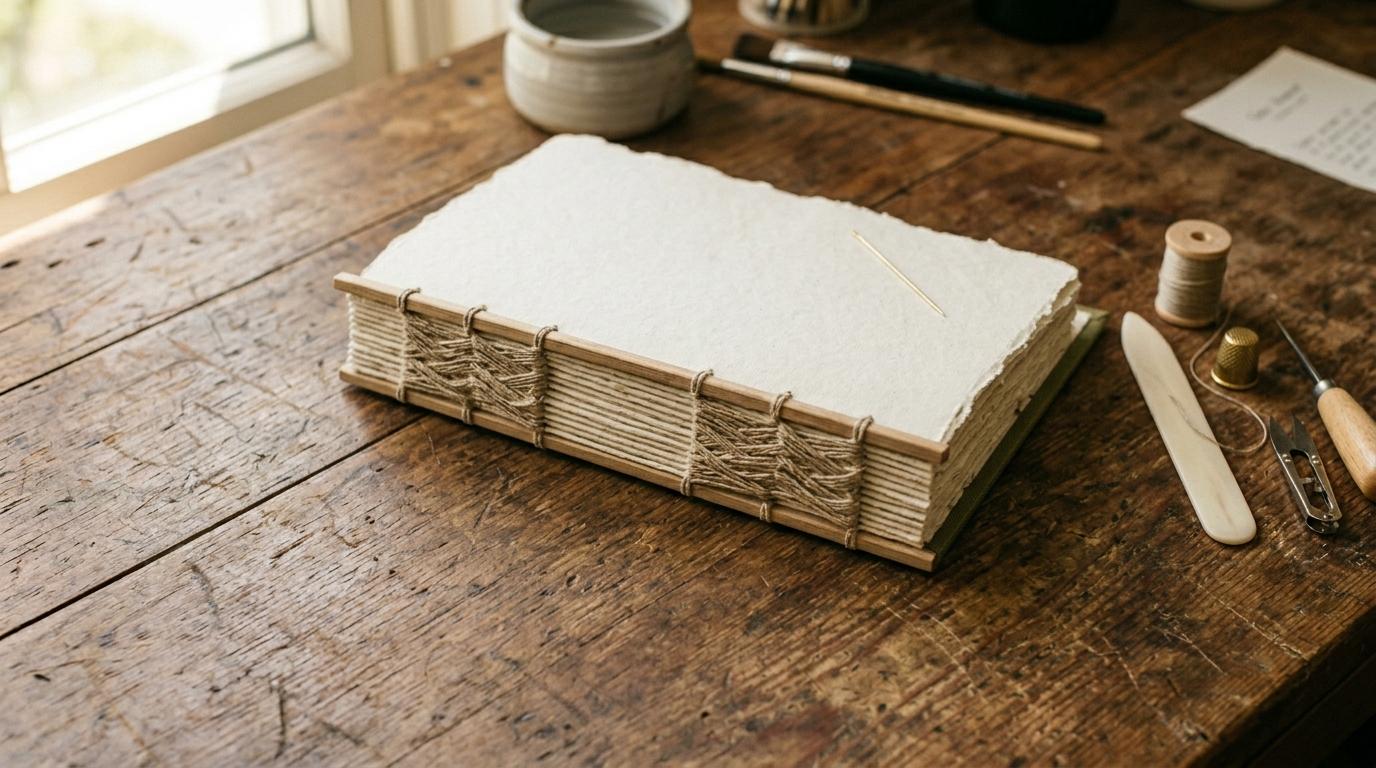
Bookbinding: Your First Journal
Fold, sew, and case a hardback journal by hand. The Coptic stitch and case binding are the two foundational methods, both achievable in a single afternoon session.
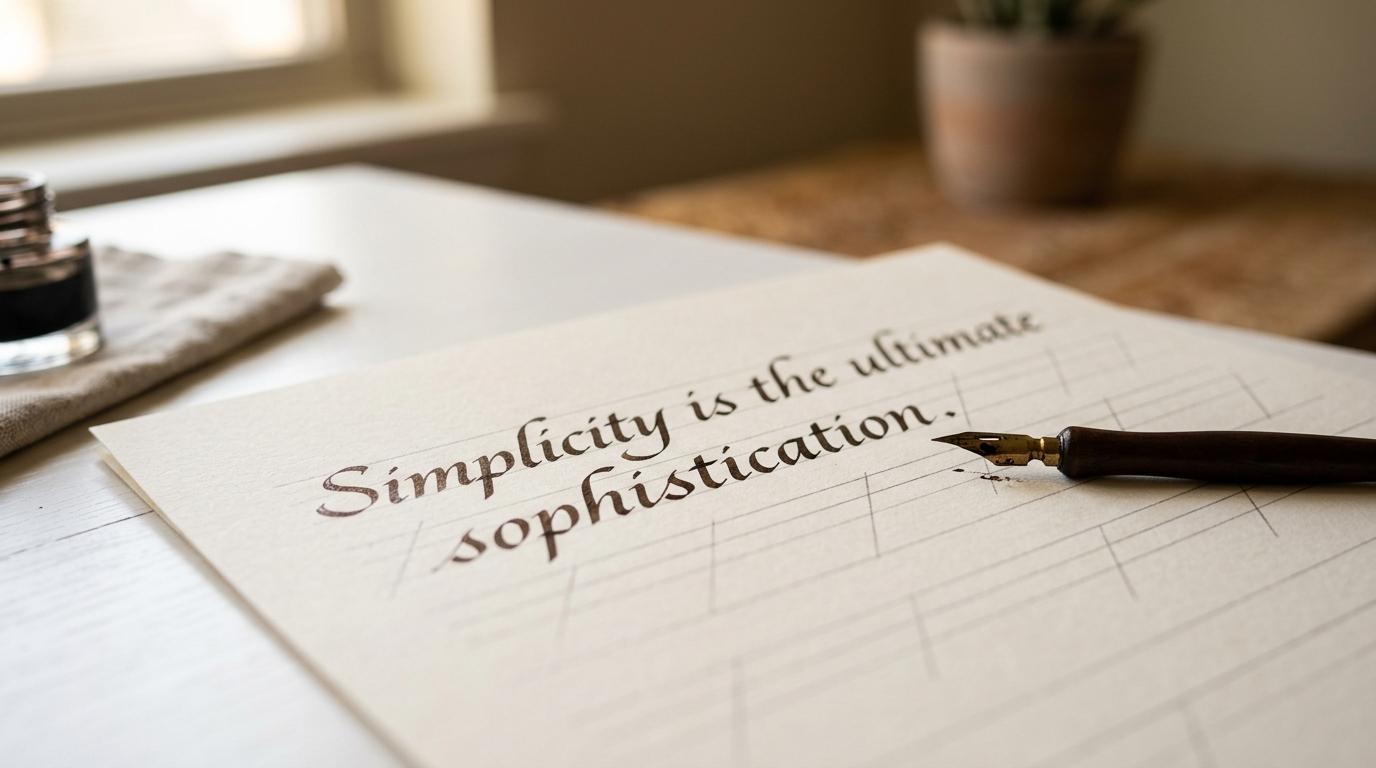
Calligraphy: The Foundational Script
Italic script with a pointed nib. The foundational Western calligraphy hand: clear, elegant, and achievable. Every lettering tradition descends from this one.
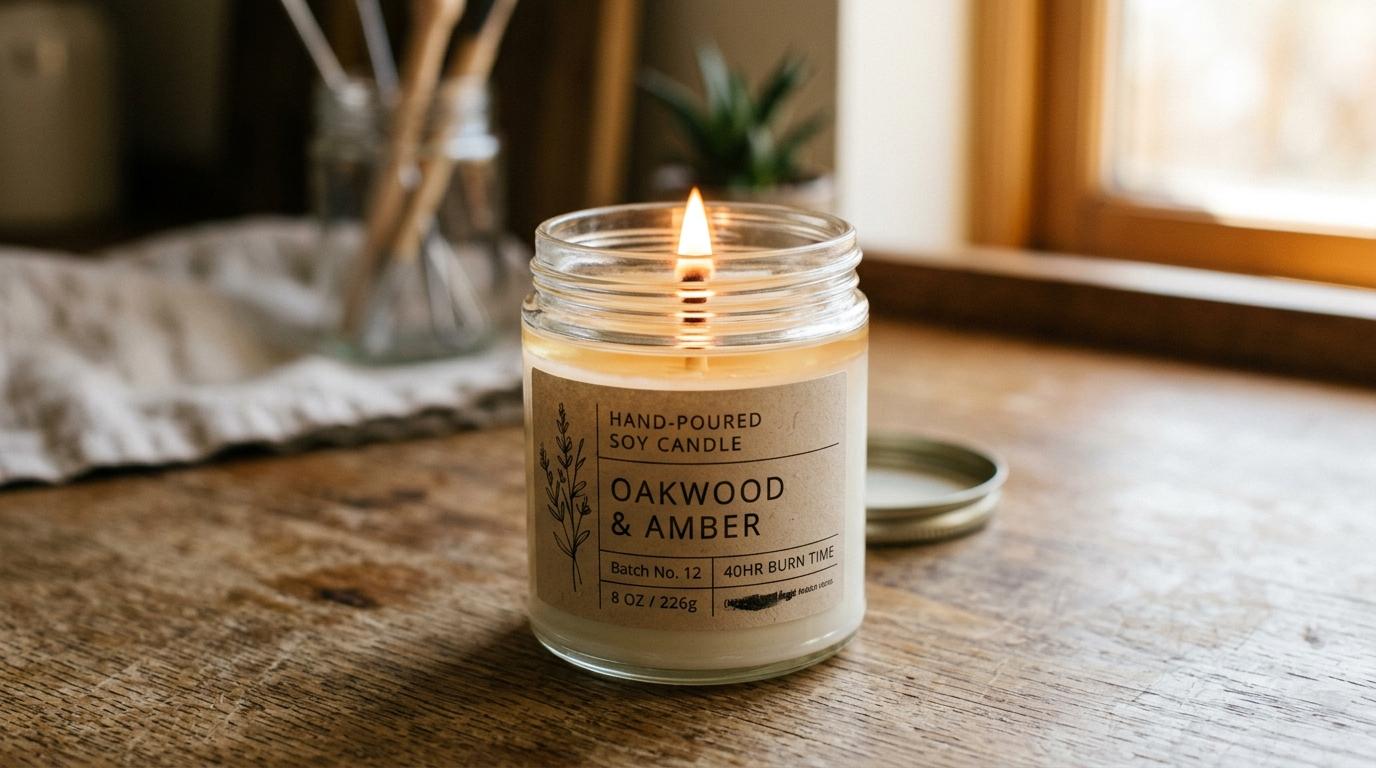
Candle Making
Make container candles with soy wax, fragrance oil, and cotton wicks. Published in late October, six weeks before Christmas: enough time to make gifts.