Kit and the pressing habit
a hem is a folded edge, sewn. that is the whole idea, and it is exactly why hems expose sloppy work: a wavering hem line is visible from across a room, on the most looked-at edges of everything you make or mend. the good news is that hem quality is mostly preparation, and preparation is mostly ironing.
this course assumes the machine basics and the blind hem and rolled hem feet from the presser feet course. the kit below is about measuring and pressing, which is where hems are actually won.
Seam gauge
£3–5a small ruler with a sliding marker. set it to the hem depth once and every fold you press is measured against the same stop, which is how a hem stays parallel for two metres of curtain. the single most used tool in this course
Affiliate link. We may earn a small commission.
A decent iron and a pressing surface
£0 if owned, £25–40 otherwisethe household iron is fine; what matters is using it. a hem pressed before sewing is a hem half-sewn. if your ironing board has died, a folded towel on a table works for pressing folds, though not for whole garments
Affiliate link. We may earn a small commission.
Jeans needles, 100/16
£3–5step 3 shortens real jeans, and denim side seams stack to eight layers. a reinforced jeans needle is the difference between finishing and fishing needle fragments out of the machine
Affiliate link. We may earn a small commission.
Twin needle (stretch), 4mm
£4–6two needles on one shank, sewing parallel rows with a zigzagging bobbin thread between them. it is how shop-bought t-shirt hems are made stretchy, and it fits any machine with a zigzag slot and two spool positions
Affiliate link. We may earn a small commission.
Press means press, not iron
ironing slides the iron and distorts folded edges. pressing lifts and places it: down, steam, hold, lift, move along. hems, seams and folds are always pressed. save the sliding for flat shirts.
The four hems
1. The double-fold hem
the workhorse. fold the raw edge up by a centimetre, press. fold again by the hem depth, press. stitch close to the inner fold. the raw edge is buried, the hem is strong, and the stitching shows on the right side as one tidy line, which on most things is fine and on jeans is the whole look. this hem does trousers, curtains, tote bags, pillowcases and pyjamas, which is to say most of your sewing life.
2. The machine blind hem
for trousers and skirts where visible stitching would cheapen the garment. the hem is folded, then folded back on itself so only a lip of the hem allowance shows, and the blind hem stitch sews along that lip, swinging over to bite the garment fold once every few stitches. from the right side, done well, there is nothing to see but a row of single-thread pinpricks a moth would be proud of. the foot's guide does the aiming; your job is a consistent fold.
3. The rolled hem
for fine fabric where any doubled bulk would look clumsy: scarves, napkin edges, floaty summer things. the rolled hem foot curls the raw edge under twice at a few millimetres wide and sews it in one pass. it needs a consistent feed and rewards the drill time from the presser feet course.
4. The knit hem
knits stretch, and a hem that cannot stretch with them either ripples or pops its stitches. the twin needle is the domestic answer: two straight rows on top, a zigzagging bobbin thread beneath that lets the hem extend. feed the fabric without pulling, let the machine set the pace, and a t-shirt hem comes out flat and stretchy like the shop made it.
Curved hems want a narrower fold
the sweep of an a-line skirt or curved shirt tail is longer at the raw edge than where the fold lands, so deep hems on curves pucker. narrow the hem to a centimetre or less on curves, or run a line of long stitches along the edge and ease the excess in before pressing.
Hem real things
four real jobs, in rising order of consequence. raid the wardrobe and the charity shop: the point of this step is hems on things that get worn and used, because scrap practice does not teach the fear and the fear is part of the skill.
Job 1: a pillowcase or tea towel edge
double-fold, one centimetre then two. measure with the seam gauge, press both folds, sew a whisker from the inner fold. this is the calibration piece: if the stitch line wanders, slow down and watch the fold against the foot edge, not the needle.
Job 2: trousers, blind hemmed
a pair of work trousers or charity shop chinos. mark the new length worn, with shoes, standing on a hard floor while someone pins or you use the mirror-and-pin method. allow 3cm of hem, trim the excess, press the blind hem fold, sew with the guide. the first leg takes forty minutes. the second takes ten, which is the course working.
Job 3: jeans, shortened properly
the test of nerve. jeans needle in, stitch length up to 3.5mm, gold topstitch-look thread if you want the shop finish. double-fold hem, and at each side seam stop the machine and walk the needle over the bulk with the handwheel. a hammer, gently flattening the seam junction first over a scrap of wood, is a real tailor's trick and not a joke. keep the offcuts: they are patch material for the repairs course later in this path.
Job 4: a t-shirt, re-hemmed with the twin needle
unpick a tired hem or cut a long t-shirt shorter. press the single fold up, thread the twin needle with two spools, and sew from the right side at an even feed with no pulling. stretch the finished hem: it should extend and recover without a pop.
Mastery
hemming mastery is measured in things you no longer avoid. trousers that fit nobody off the peg, curtains sold in one length, the skirt that was nearly right: all of them become twenty-minute jobs, and every one saves the £10–15 an alterations shop charges for the same seam.
Pressing before sewing, every time
From day 1no hem meets the machine unpressed; the seam gauge lives beside the iron
The double-fold is boring
First eveninga metre of straight double-fold hem with stitching that does not wander more than a millimetre
A blind hem that passes inspection
Weekendtrousers hemmed blind, worn in daylight, and nobody can point to the stitches
Jeans hold no fear
Weekenda pair shortened with even topstitching and the side-seam bulk crossed without a broken needle
Knits stay flat
Second weekenda twin-needle t-shirt hem that stretches and recovers, with no lettuce ripple
The alterations pile is gone
A montheverything in the house waiting for a hem has one, and new trousers are hemmed the week they arrive
- Made to Sew (YouTube): precise hem tutorials, including the blind hem fold demonstrated in a way that finally makes it click
- Evelyn Wood (YouTube): hem finishing with a tailoring sensibility, and honest talk about which hems suit which garments
Community
Reader tips
No tips yet. Be the first to share what worked for you.
Share a tip
Sign in to share what worked for you.
Same category
What to learn next
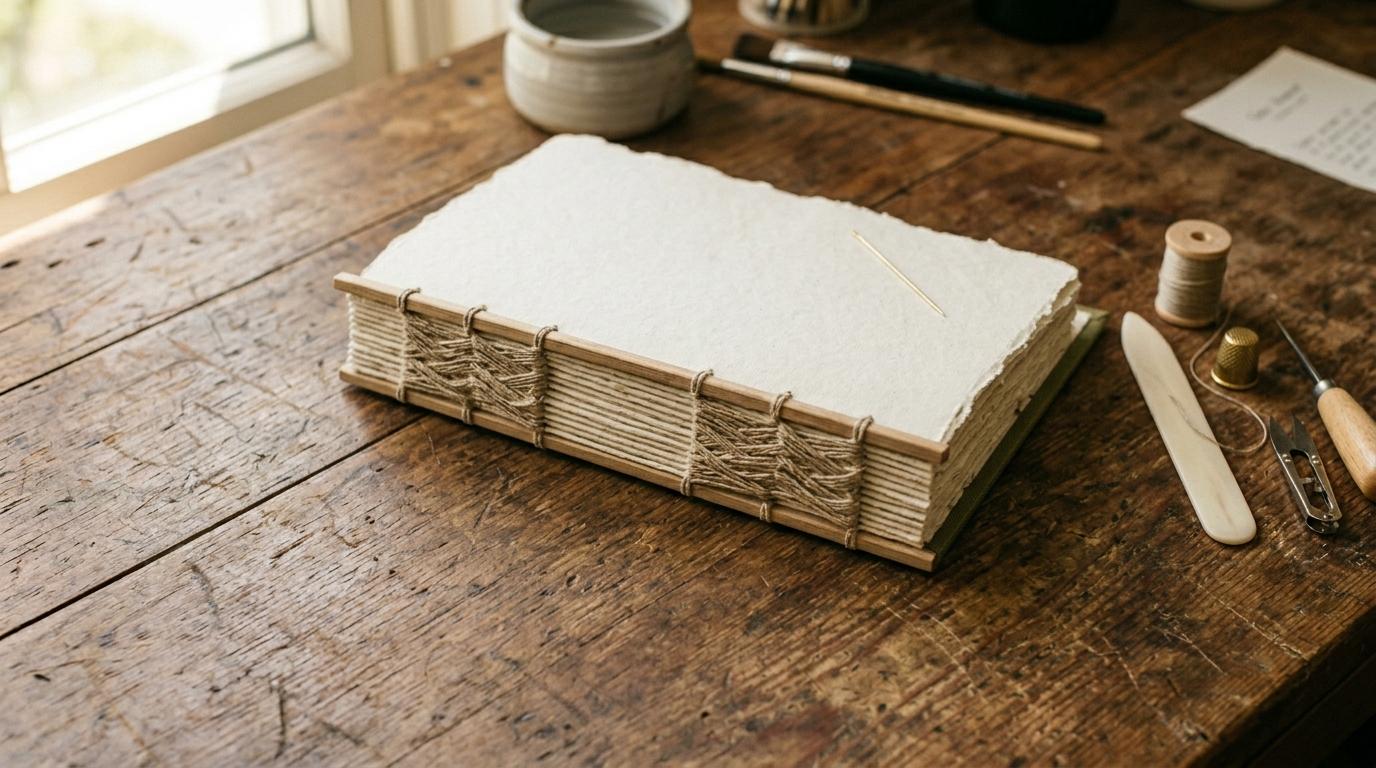
Bookbinding: Your First Journal
Fold, sew, and case a hardback journal by hand. The Coptic stitch and case binding are the two foundational methods, both achievable in a single afternoon session.
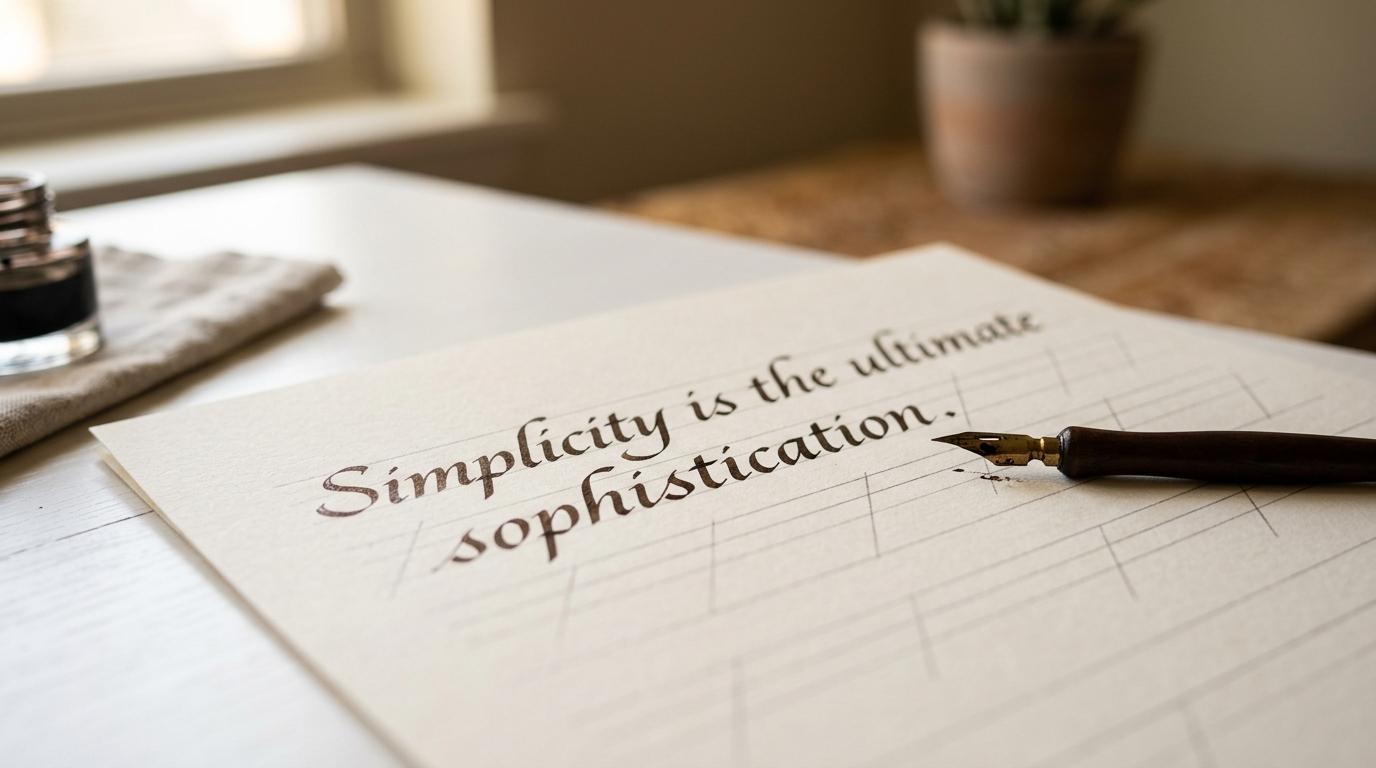
Calligraphy: The Foundational Script
Italic script with a pointed nib. The foundational Western calligraphy hand: clear, elegant, and achievable. Every lettering tradition descends from this one.
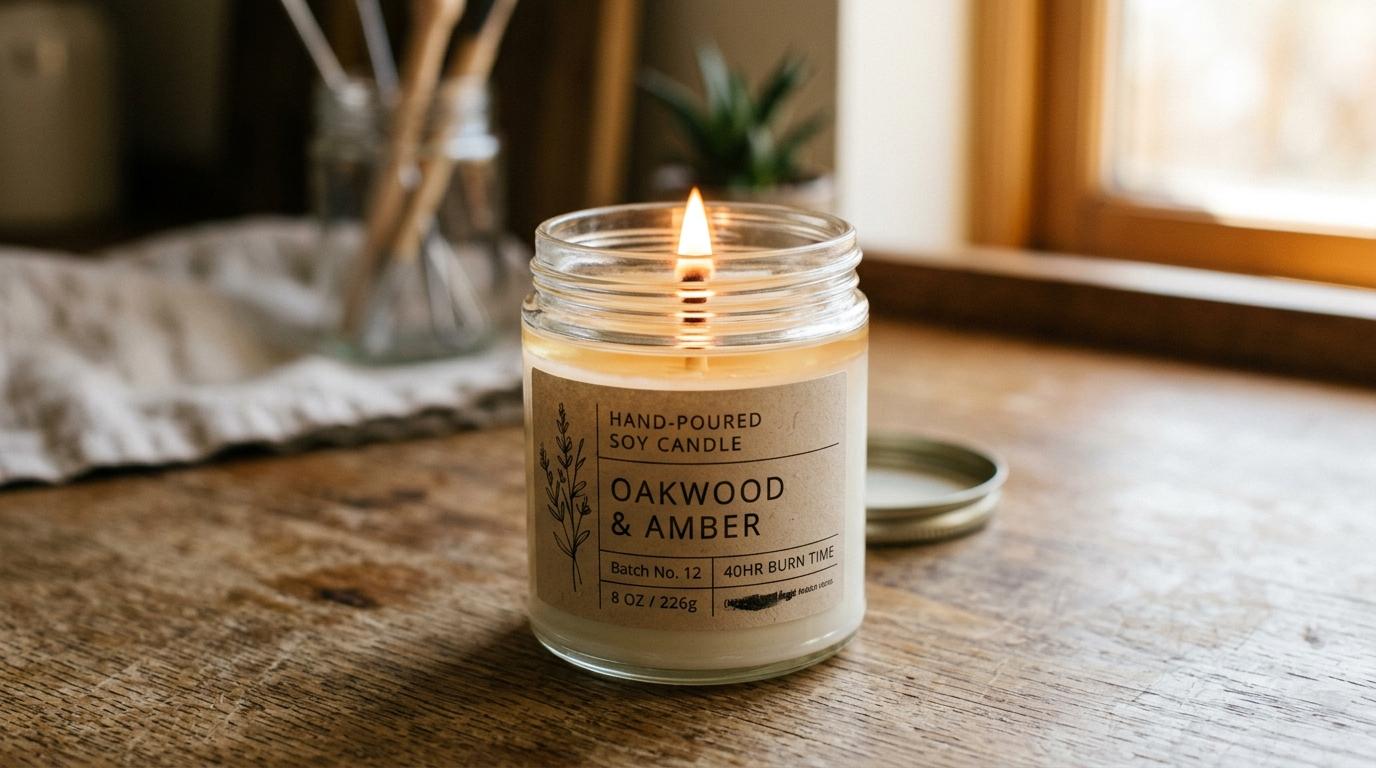
Candle Making
Make container candles with soy wax, fragrance oil, and cotton wicks. Published in late October, six weeks before Christmas: enough time to make gifts.