
Naming and classifying plants
Every gardening qualification starts with names, and for good reason: a common name is a rumour, and a botanical name is an address. "Bluebell" means one plant in England and a different one in Scotland; Hyacinthoides non-scripta means exactly one plant everywhere on Earth. The RHS Level 2 syllabus opens here because you cannot discuss anything else precisely until you can name it precisely.
The binomial system
Why the exam cares about a rose and an apple being cousins
Rosaceae (roses, apples, cherries, hawthorn, strawberries) shares flower structure and, unhelpfully, share pests and diseases like fireblight and brown rot. Classification is not trivia: it is how a gardener predicts that the problem on the pears might also take the quinces. This is exactly the kind of applied reasoning the Level 2 written papers reward.
A hand lens (loupe), 10× magnification
£5–12The one tool that turns theory into observation. At 10× you can see stomata-bearing leaf undersides, the difference between a bud and a growing point, aphids and their eggs, and the fungal structures that name a disease. Every practical horticulture assessment rewards close looking, and this is what you look with.
Affiliate link. We may earn a small commission.
How a plant works
A plant is a machine for turning light, water and air into more plant. Understand the machine and every practical technique, from when to water to why you prune and what a feed does, stops being a rule to memorise and becomes something you can reason out. This is the plant-science heart of the Level 2 theory.
The three processes that run everything
Xylem, phloem, and why ring-barking kills
Two transport tissues run the length of a plant. Xylem carries water and minerals up from the roots. Phloem carries sugars from the leaves to wherever they are needed: roots, fruit, new shoots. The phloem sits just under the bark, which is why a rabbit or a strimmer that removes a complete ring of bark kills a tree: the roots are starved of sugar even though water is still rising. Understanding this one fact explains grafting, ring-barking, and why you never pile mulch against a trunk.
Reason it out, don't memorise it
The Level 2 papers ask 'explain why', not just 'name'. Why water in the morning? Because transpiration rises with the day's heat and light, so the plant needs the reservoir full before demand peaks, and wet leaves overnight invite fungal disease. Every good answer traces back to one of the three processes above.
Soil, water, and nutrition
More gardens are made or broken by their soil than by their plants. The Level 2 syllabus treats soil as a system with a texture, a structure, a chemistry and a living population, and each of those is something you can assess and improve.
Texture versus structure
The nutrients, and what shortage looks like
Plants need three major nutrients in quantity: N (nitrogen) for leafy green growth, P (phosphorus) for roots and establishment, K (potassium) for flowers and fruit. That is the N-P-K on every feed label. Shortages show on the plant: overall pale, yellowing older leaves points to nitrogen; poor flowering and fruiting to potassium; yellowing between the veins of younger leaves often to magnesium. Reading these signs, rather than feeding blindly, is a Level 2 skill.
A soil pH testing kit
£6–12pH decides which nutrients your plants can reach, so it is the first thing to know about any bed. A cheap chemical kit or a probe both do the job. Test several spots, because pH varies across a garden, especially near old walls (alkaline) or under conifers (acid). Knowing your number turns plant choice from guesswork into matching.
Affiliate link. We may earn a small commission.
Propagation, pests, and the exam
Making more plants
Propagation splits into two families. Seed (sexual) propagation mixes two parents, so seedlings vary: good for species, but a named cultivar grown from seed will not come true. Vegetative (asexual) propagation, by cuttings, division, layering or grafting, makes exact clones of the parent, which is how every 'Stella' cherry and every named apple is produced. Cuttings are graded by the wood used: softwood in late spring from new growth, semi-ripe in late summer, hardwood in winter from dormant wood. Knowing which method suits which plant, and why, is examined directly.
The three kinds of problem, and IPM
You're here: the principles
This courseBotanical naming and classification. Photosynthesis, respiration, transpiration; xylem and phloem. Soil texture, structure, pH, N-P-K and deficiency signs. Seed and vegetative propagation. Pests, diseases, disorders and IPM.
RHS Level 2 Certificate in the Principles of Horticulture
Self-study + written examsThe Ofqual-regulated theory qualification (RHS Qualifications). Assessed by written exams sat at approved centres or by online proctoring at set sittings, typically February and June. This course maps to its core themes; a full syllabus and past papers are on the RHS site.
RHS Level 2 Certificate in Practical Horticulture
Centre-assessedThe hands-on companion, assessed by observed practical tasks: sowing, potting, pruning, propagation. Usually taken at a local college or RHS-approved centre alongside the theory.
RHS Level 3 and beyond
1–2 yearsLevel 3 Certificate and Diploma for those heading towards professional horticulture, with deeper plant science, garden planning and management. The recognised route into the trade, botanic gardens and landscape design.
Best resources
- RHS (official channel)
- RHS 'Grow Your Own' technique series
Two books that carry the theory
Community
Reader tips
No tips yet. Be the first to share what worked for you.
Share a tip
Sign in to share what worked for you.
Same category
What to learn next
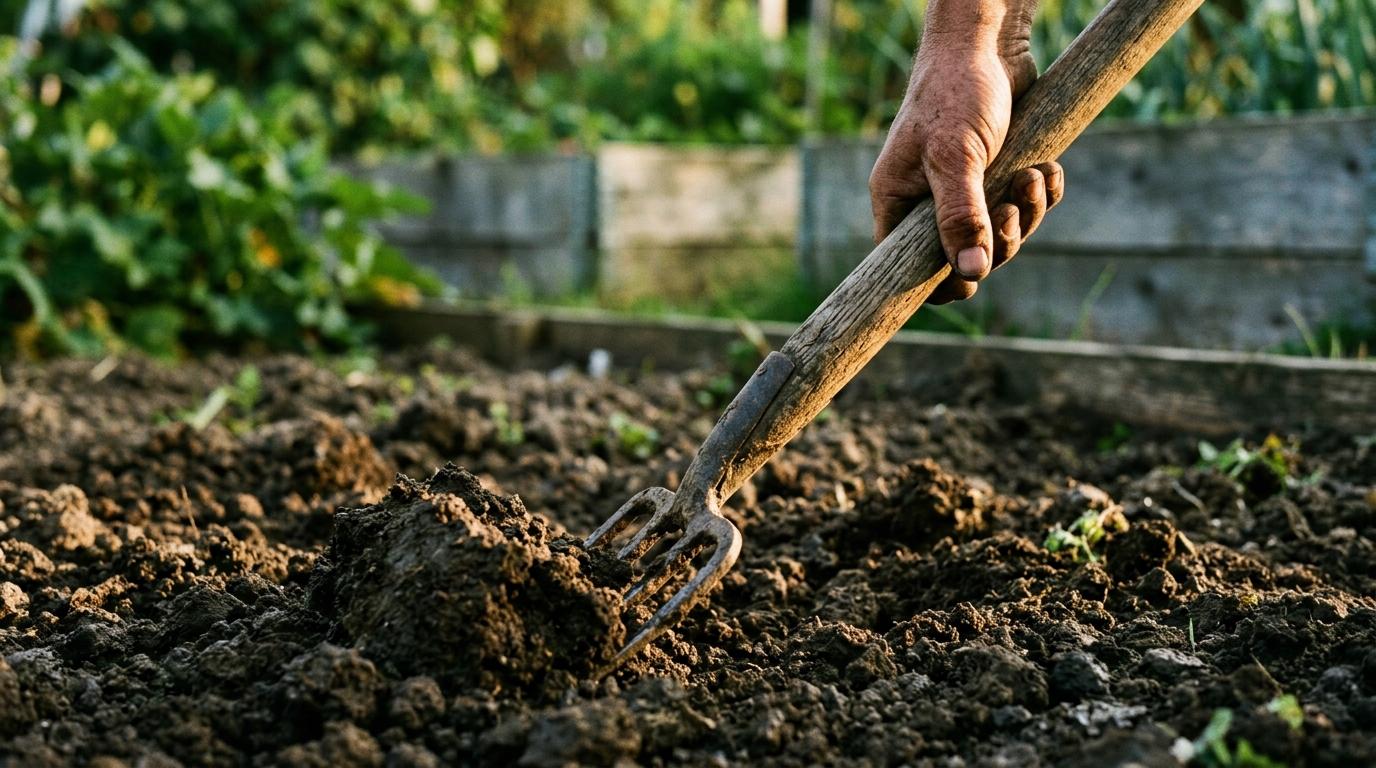
Your First Allotment
How to get an allotment, plan your plot, improve the soil, and grow your first full season of vegetables. The complete beginner's guide to UK allotment growing.
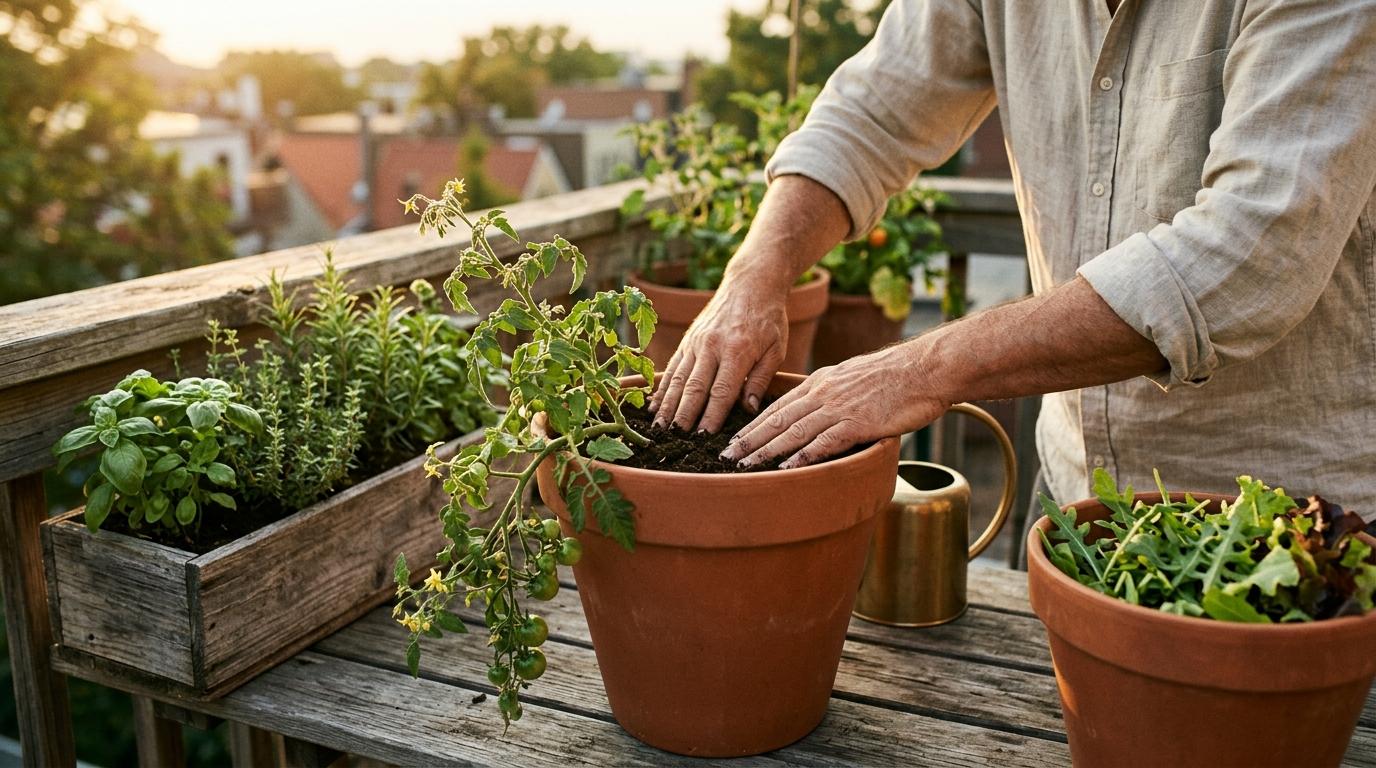
Balcony and Container Gardening
Grow food and flowers on a balcony, roof terrace, or patio. Container selection, compost, watering, and what works in small spaces.
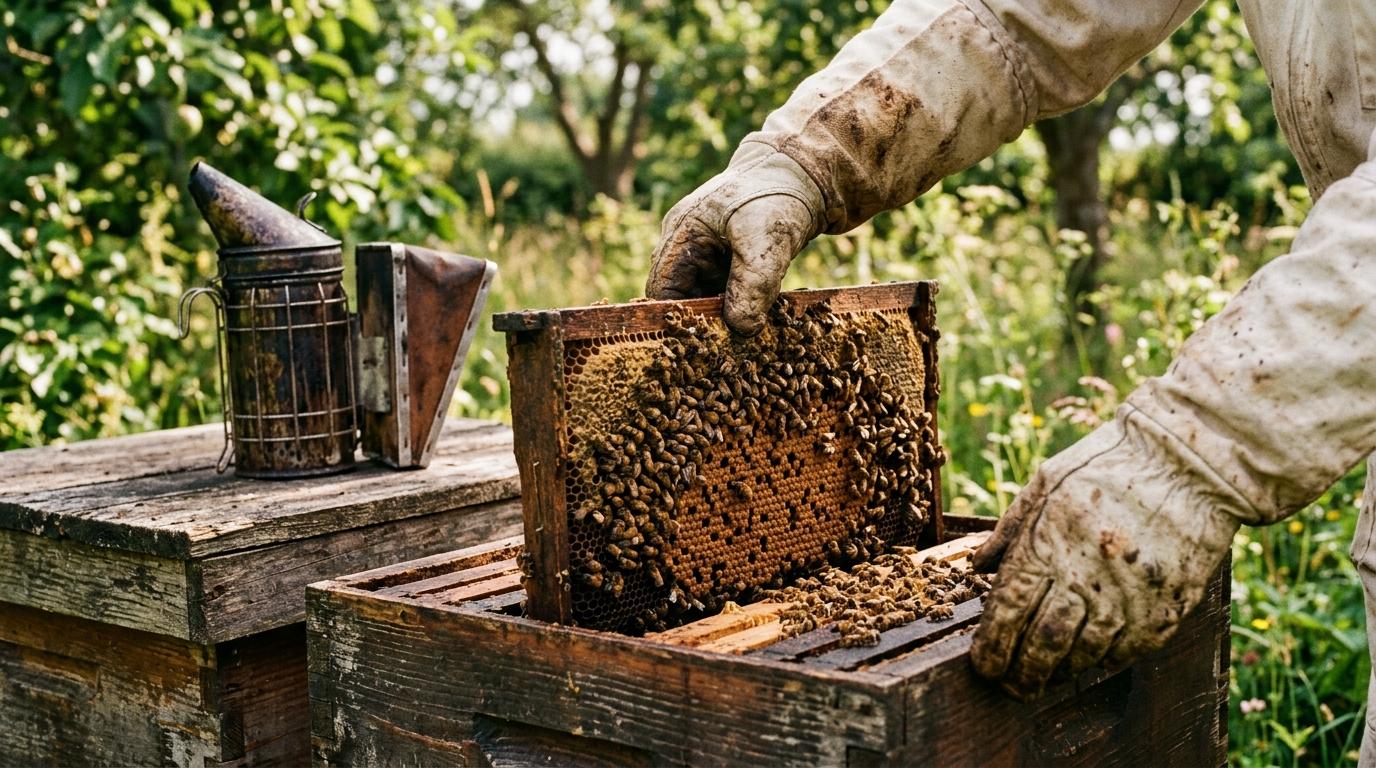
Colony Management and Bee Health
Inspecting and managing a honeybee colony: the seven-point frame check, swarm control, varroa and the notifiable foul broods, honey handling and the law. Preparation for the BBKA Basic Assessment.