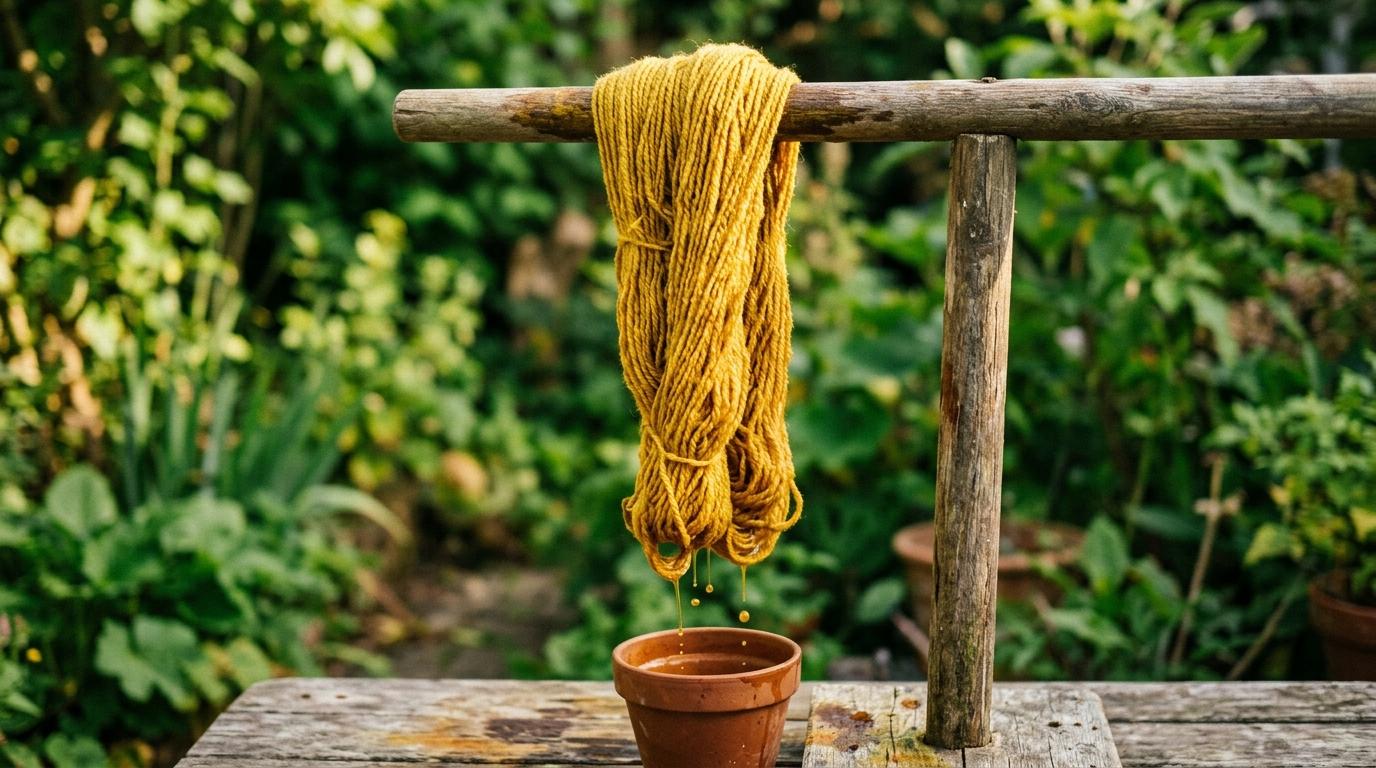
What you need to get started
Natural dyeing requires almost no specialist equipment, and most of what you need is already in your kitchen. The key investment is mordant: the mineral salt that bonds the dye to the fibre permanently. Without it, natural colour washes out.
Alum mordant (potassium aluminium sulphate)
£4–8 for 100g (enough for many skeins)The most widely used mordant for natural dyeing. Safe, effective, produces bright, warm colours. Use at 15–20% of the dry weight of fibre (WOF). Available from craft suppliers (George Weil, Wild Colours, Earthues) and online. Do not substitute alum with baking powder or cream of tartar. These are different compounds.
Affiliate link. We may earn a small commission.
Wool or silk yarn, undyed, natural white or cream
£4–12 for 100g of natural woolProtein fibres (wool, silk, alpaca) absorb natural dye much more readily than plant fibres (cotton, linen). Begin with wool: a 100g skein of natural white DK or 4-ply wool is the ideal first piece. Wind it into a skein if sold as a ball (loop around two chair backs, tie loosely at 4 points).
Affiliate link. We may earn a small commission.
A stainless steel or enamel pot, dedicated to dyeing
£5–15 second-handOnce a pot has been used for dyeing, do not use it for food again. Invest in a cheap stainless steel or enamel pot (2–4 litre for a 100g skein). Second-hand shops are excellent for this. Some dyes react with iron and copper pots; stainless steel is the safest choice.
Affiliate link. We may earn a small commission.
Dye plants to start with
Four plants that are easy, effective, and available
- Onion skins (yellow-orange): The most reliable beginner dye plant. Collect yellow or red onion skins over several months (your own, from greengrocers, from restaurants). 200g of skins dyes 100g of wool a rich gold to russet. No mordant needed: onion skins are substantive dyes that bond without mordant, though alum improves fastness.
- Walnut husks (deep brown): The green outer husks of walnuts (collected in autumn before they go black) produce a rich, warm brown. Also substantive: no mordant needed. The colour is extremely fast (lightfast and washfast). Wear gloves, as it stains skin permanently for weeks.
- Avocado pits and skins (dusty rose to terracotta): Avocado pits and skins produce pink to salmon to terracotta tones, not brown. Collect and dry them over several weeks. Use 3–4 avocado pits and skins per 100g of wool.
- Weld (Reseda luteola), the dyer's weld: The traditional yellow dye plant of Europe; used for millennia. The brightest, most lightfast natural yellow available. Available dried from specialist suppliers. Use with alum mordant for the best results.
All plant dyes fade to some degree over time and with exposure to light. This is part of the living quality of naturally dyed cloth.
Some links are affiliate links. Airgap.life may earn a small commission at no extra cost to you.
Community
Reader tips
No tips yet. Be the first to share what worked for you.
Share a tip
Sign in to share what worked for you.
Same category
What to learn next
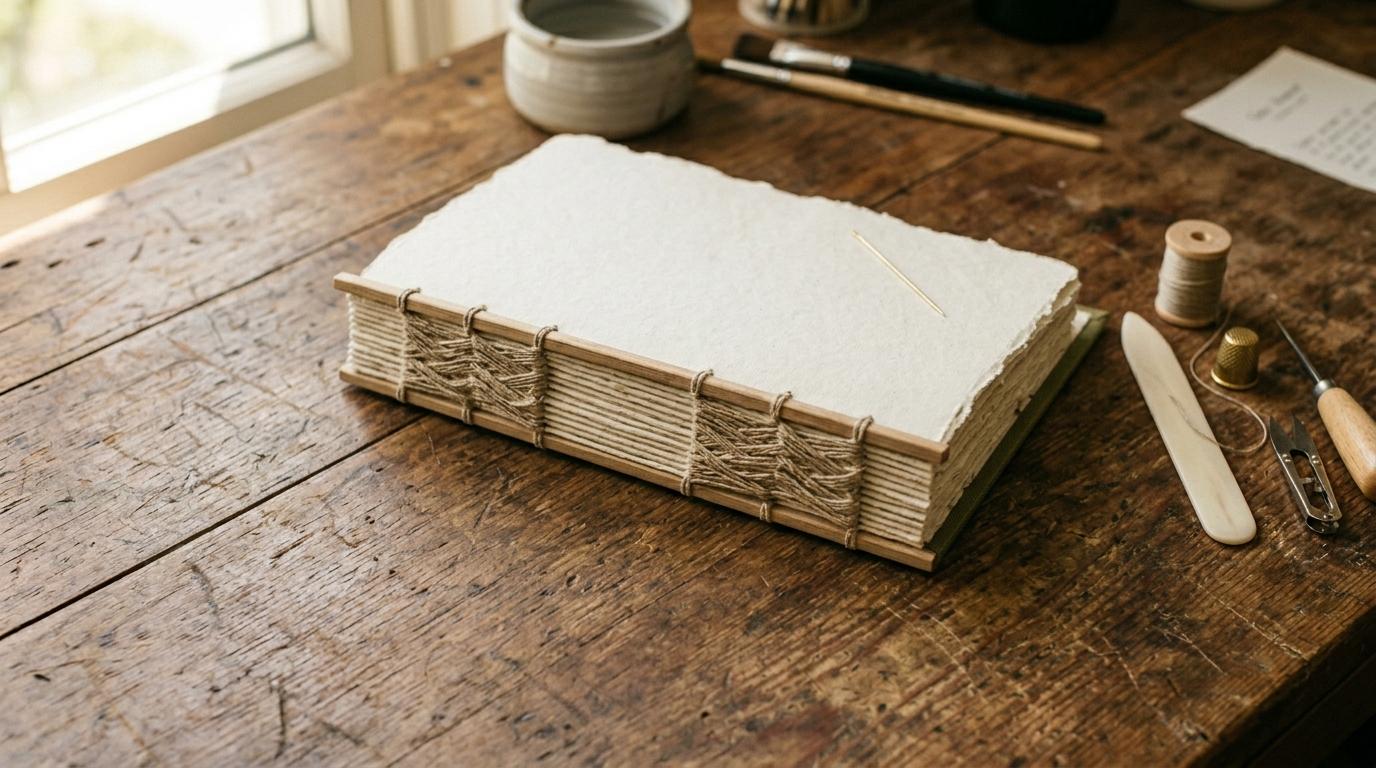
Bookbinding: Your First Journal
Fold, sew, and case a hardback journal by hand. The Coptic stitch and case binding are the two foundational methods, both achievable in a single afternoon session.
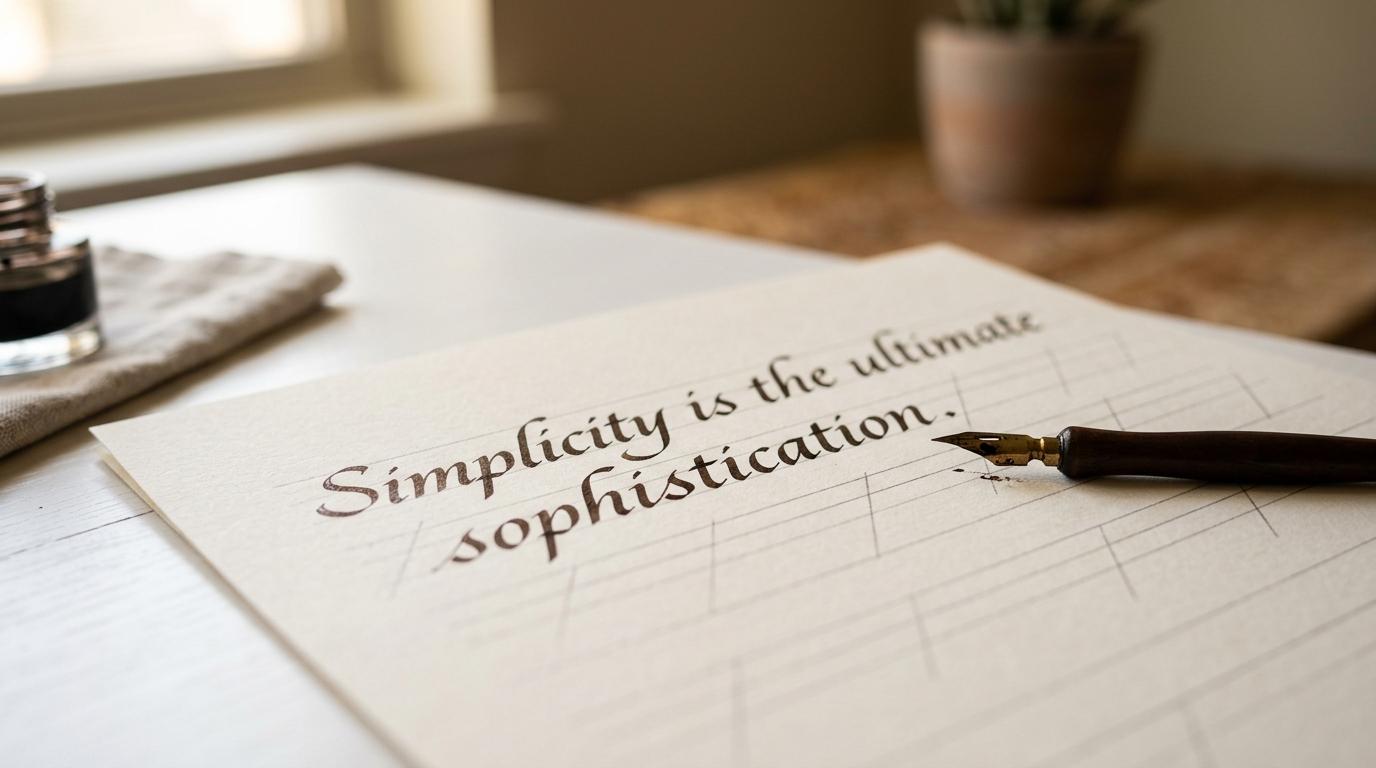
Calligraphy: The Foundational Script
Italic script with a pointed nib. The foundational Western calligraphy hand: clear, elegant, and achievable. Every lettering tradition descends from this one.
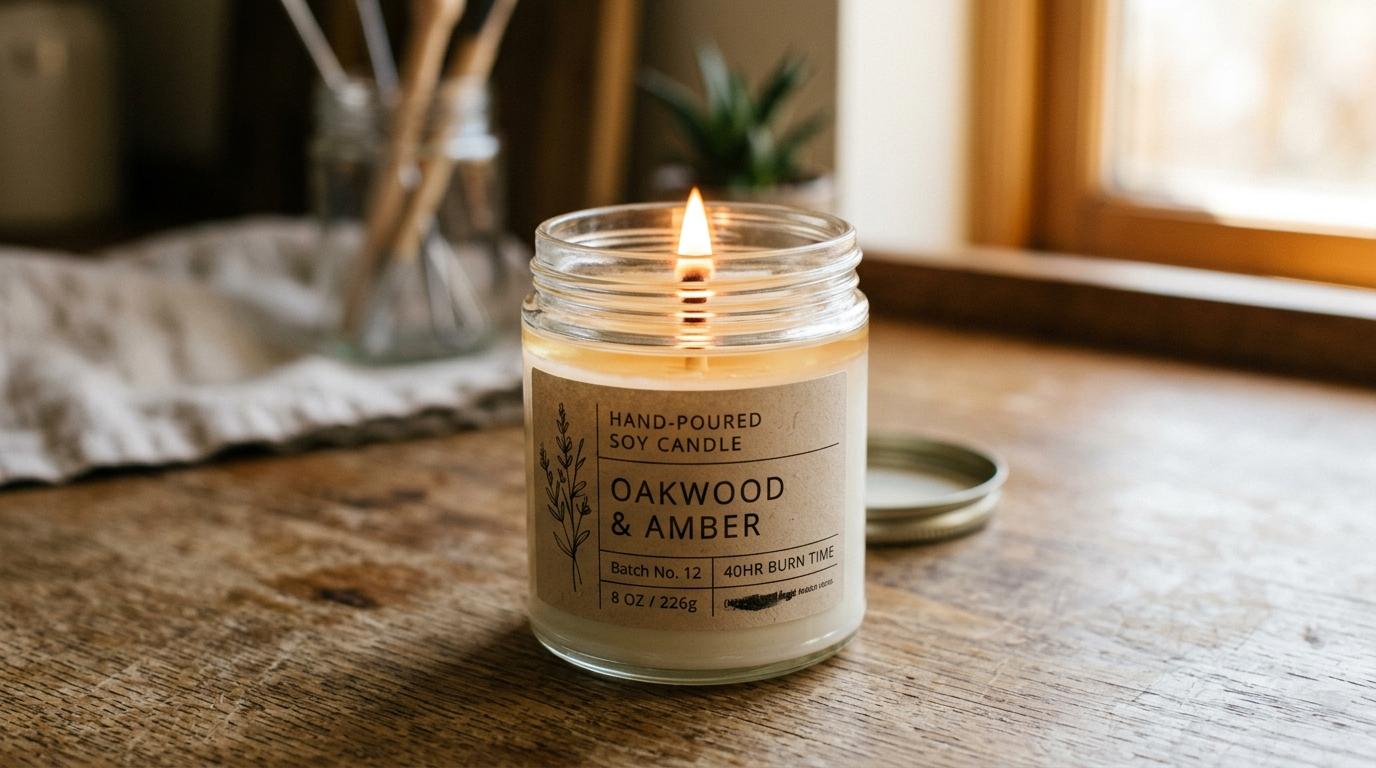
Candle Making
Make container candles with soy wax, fragrance oil, and cotton wicks. Published in late October, six weeks before Christmas: enough time to make gifts.