The feet worth owning
every machine ships with a handful of presser feet, and most sewers use exactly one of them for life. that is like owning a socket set and only ever using the pliers. a presser foot's job is to hold fabric against the feed dogs, but each foot's shape solves one specific problem: getting close to teeth, folding an edge, feeding stubborn layers. this course is the tour and the drills.
check your accessory box before buying anything. machines usually include the standard zigzag foot, a zipper foot, a buttonhole foot and a blind hem foot, and generic snap-on feet fit most modern low-shank machines for a few pounds each.
Snap-on feet set (only if yours are missing)
£10–18 for 15+ feeta generic low-shank set covers zipper, blind hem, buttonhole, overcasting, rolled hem and more for less than one branded foot. check whether your machine is low-shank (most modern domestic machines) or high-shank or slant before ordering; the manual says
Affiliate link. We may earn a small commission.
Walking foot for your machine
£8–20the one foot worth buying branded or at least model-matched, because it couples to the needle bar and a poor fit chatters. it feeds the top layer of fabric in time with the feed dogs below, which tames velvet, oilcloth, thick fleece, matching stripes and everything that creeps
Affiliate link. We may earn a small commission.
Practice fabric bundle
£0–3the drills need cotton scraps, something slippery (lining offcuts), something thick (old towel or fleece) and a knit (a retired t-shirt). a charity shop provides all of it for a pound or two; nothing here should be bought new
Affiliate link. We may earn a small commission.
Know your shank before buying feet
lift the presser foot lever and measure from the needle plate to the centre of the foot's fixing screw. about 19mm is low shank, about 25mm is high shank, and Singer slant-needle machines are their own thing. generic feet are cheap because they assume low shank; five seconds with a ruler saves a returns label.
What a foot changes
The default: the zigzag foot
the foot that lives on the machine is the standard or zigzag foot: flat sole, wide needle slot. that slot is the point. it clears every stitch width the machine can throw, so nothing you select by accident can make the needle strike metal. narrow straight-stitch feet give a marginally cleaner straight seam on fine fabric, at the price of exploding the first time habit selects zigzag. keep the standard foot as home base.
Feet that get close
the zipper foot is not really about zips. it is about proximity: a slim body that lets the needle run tight against anything raised. zips, piping, the edge of a cushion pad. snap it on left or right of the needle depending which side the bulk is.
Feet that fold or guide
the blind hem foot carries a guide bar the fabric fold rides against, so a zigzag can bite the fold by half a millimetre and stay invisible from the front. the rolled hem foot has a small scroll that curls a raw edge under twice and feeds it beneath the needle, making a tiny finished hem on scarves and fine cotton in one pass. both feel like magic tricks and both are pure geometry.
Feet that feed
feed dogs move only the bottom layer of fabric; the top layer just gets dragged. on short seams in cotton nobody notices. on a metre of fleece, the top layer arrives ten millimetres late. the walking foot adds matching feed from above. the free-motion or darning foot goes the other way entirely: with the feed dogs dropped it hovers, and you move the fabric freely in any direction, which is how quilting and thread drawing work.
Foot-by-foot drills
Choosing without thinking
Community
Reader tips
No tips yet. Be the first to share what worked for you.
Share a tip
Sign in to share what worked for you.
Same category
What to learn next
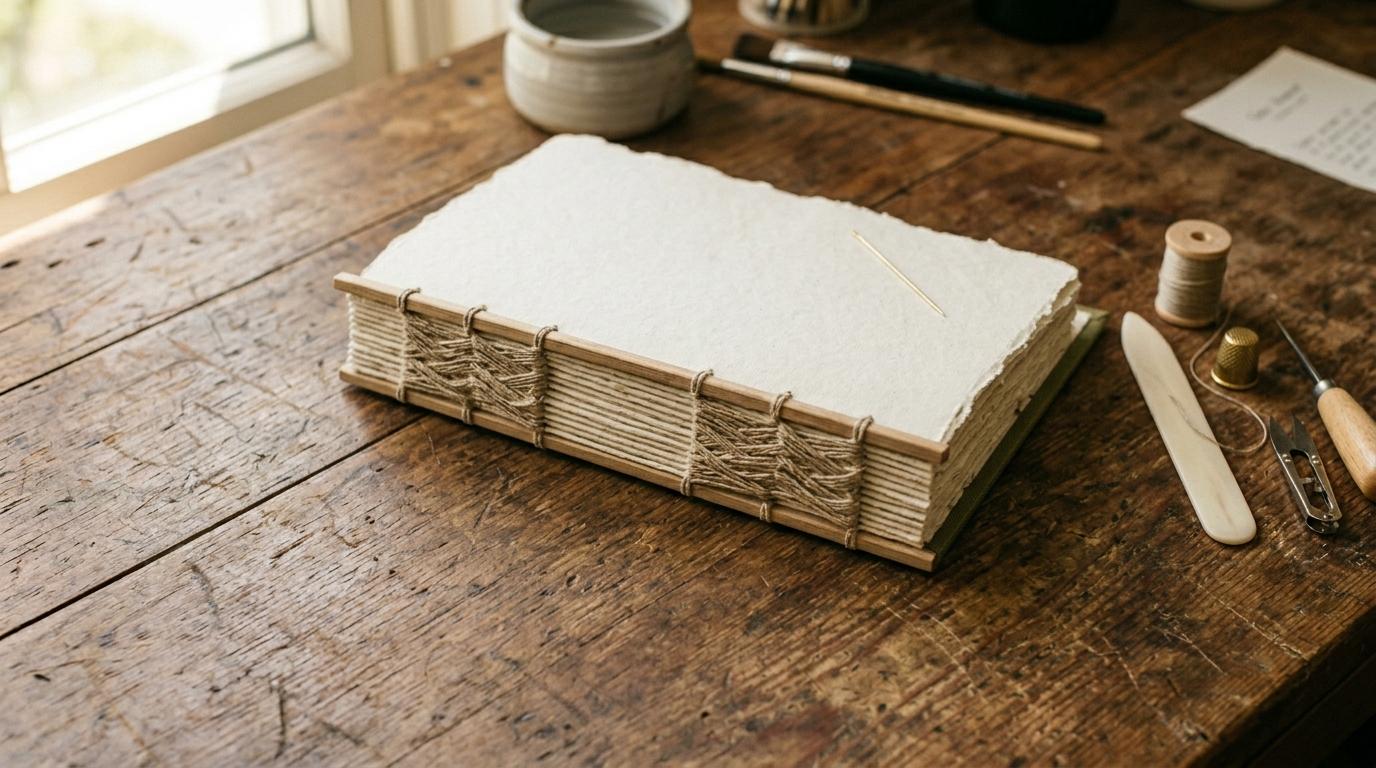
Bookbinding: Your First Journal
Fold, sew, and case a hardback journal by hand. The Coptic stitch and case binding are the two foundational methods, both achievable in a single afternoon session.
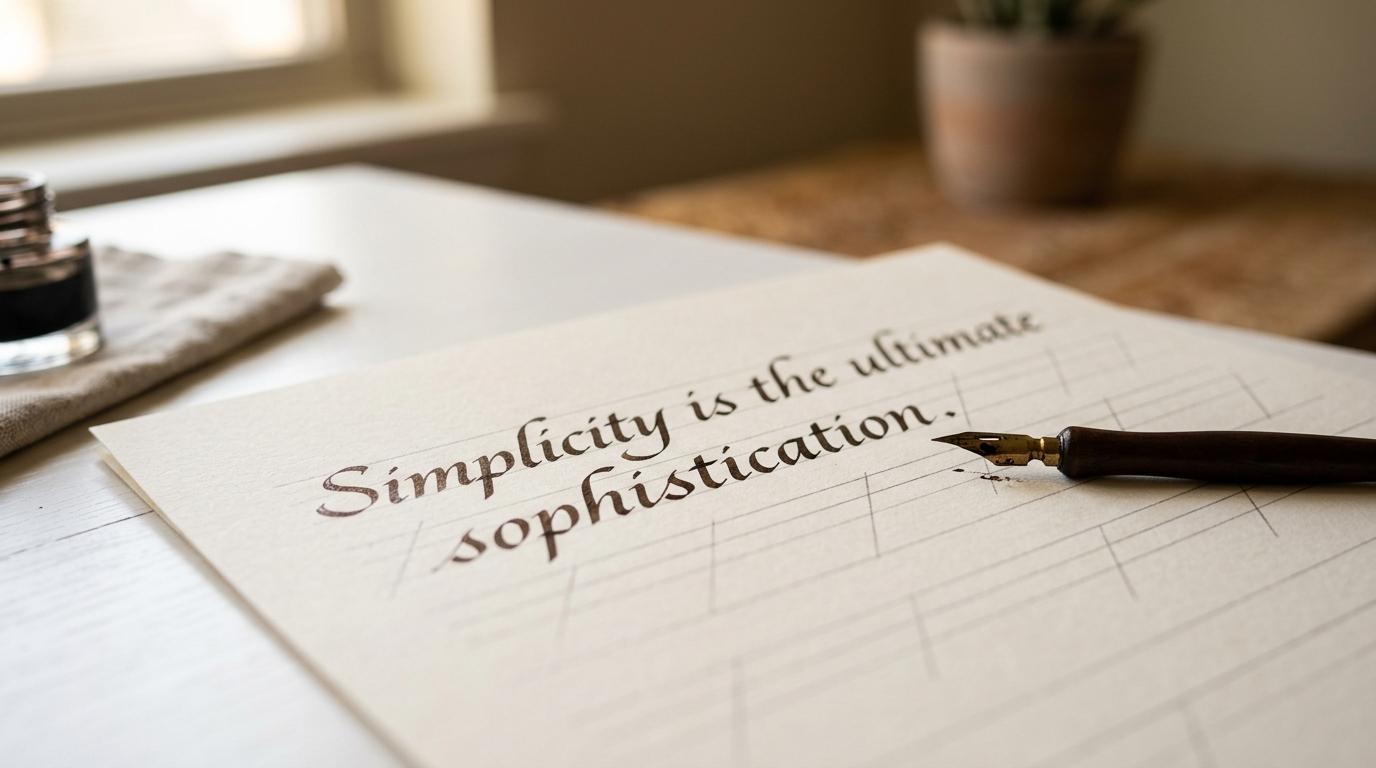
Calligraphy: The Foundational Script
Italic script with a pointed nib. The foundational Western calligraphy hand: clear, elegant, and achievable. Every lettering tradition descends from this one.
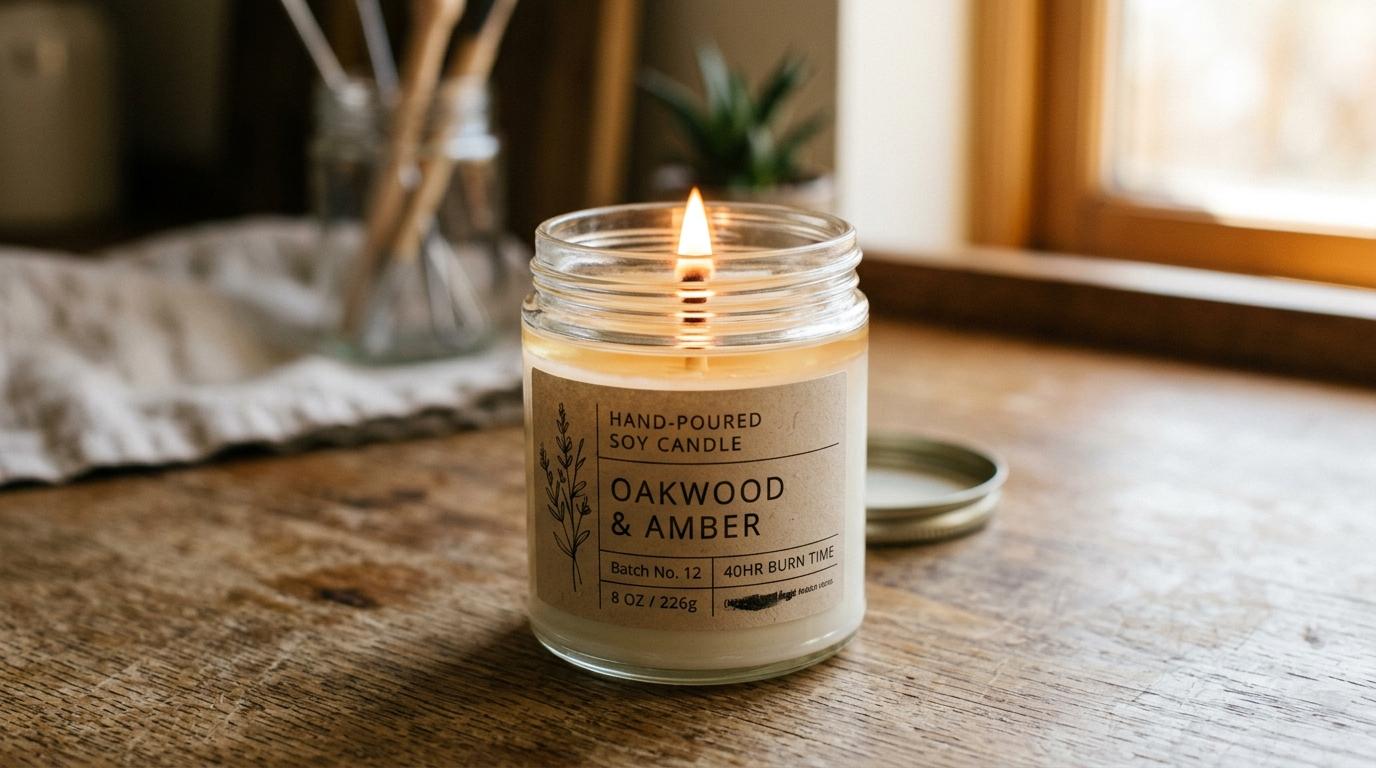
Candle Making
Make container candles with soy wax, fragrance oil, and cotton wicks. Published in late October, six weeks before Christmas: enough time to make gifts.