Materials and hardware
this is the project the whole path has been building: machine control from the mastery course, the walking foot earning its keep, hems and topstitching, boxed corners and a strip gusset, a zip you no longer fear. a weekend bag is honest engineering in cloth, and when someone asks where you bought it, that question is the certificate.
Outer fabric: cotton canvas or waxed cotton, 1m
£12–2510–12oz cotton canvas is the beginner bag maker's friend: substantial, sews on a domestic machine with a 100/16 needle, and looks better with wear. waxed cotton is the heritage upgrade at twice the price. avoid upholstery velvet and anything laminated for a first bag
Affiliate link. We may earn a small commission.
Lining: quilting cotton, 1m
£6–12a printed quilting cotton in something that pleases you every time the bag opens. lining is where bag makers have their fun, and it hides none of your seams so it may as well be loud
Affiliate link. We may earn a small commission.
Fusible fleece and medium iron-on interfacing, 1m each
£8–12fleece bonds to the outer panels for padded structure; interfacing crisps the gusset and pocket. iron-on versions fuse with a damp cloth and a firm press, and they are the entire difference between a bag and a sad sack
Affiliate link. We may earn a small commission.
Cotton or polypropylene webbing, 30–38mm, 3m
£5–9the straps, run as a continuous loop under the bag. cotton webbing looks the part on canvas; polypropylene is lighter and cheaper. three metres covers straps and a grab handle with spare
Affiliate link. We may earn a small commission.
Chunky zip, size 5 coil, 50–60cm
£3–5bag zips are a size up from dressmaking zips: a #5 coil with a decent pull runs smoothly under load. buy longer than the opening; the zips course taught you how to shorten it
Affiliate link. We may earn a small commission.
Jeans needles 100/16 and a walking foot
owned, or £12–25already owned if you followed the path: the needle for canvas layers, the walking foot for feeding fleece-backed panels evenly. listed here so nobody starts without them
Affiliate link. We may earn a small commission.
Bag engineering
The anatomy
this bag is two main panels (45cm wide by 30cm tall), one strip gusset (15cm wide, running side-base-side in one piece), a zip panel pair at the top, one external slip pocket, webbing in a continuous loop, and a lining that repeats the outer's geometry. finished size roughly 45 by 30 by 15: hand luggage for a night away, kit bag for everything this site teaches.
Structure is applied, not inherent
every panel gets its skeleton before any assembly: fleece fused to the two main outer panels, interfacing to the gusset and pocket. fuse first, always, because interfacing an assembled bag is like plastering a built wall through the letterbox. press, do not iron, with a damp cloth, and let each panel cool flat before it moves.
Load paths
a loaded bag is a physics problem. the webbing runs from one top edge down the panel, under the base, and up the other side, so the contents hang in a sling and the stitching only keeps the sling positioned. at the top edge each strap end gets a box-X. the zip ends, the pocket mouth corners and the gusset junctions each get a bartack, because those are where bags die, and you know that from every worn-out bag you have owned.
The order of operations
bag making has one governing rule: do everything to a panel while it is flat. pocket on, webbing on, topstitching done, all before the panel meets another panel. the zip goes in early, sandwiched between outer and lining tops, and the whole bag closes through a turning gap left in the lining. the sequence feels inside-out until the moment it turns right way out, which is the best moment in this entire path.
Construction
Finishing and beyond
Community
Reader tips
No tips yet. Be the first to share what worked for you.
Share a tip
Sign in to share what worked for you.
Same category
What to learn next
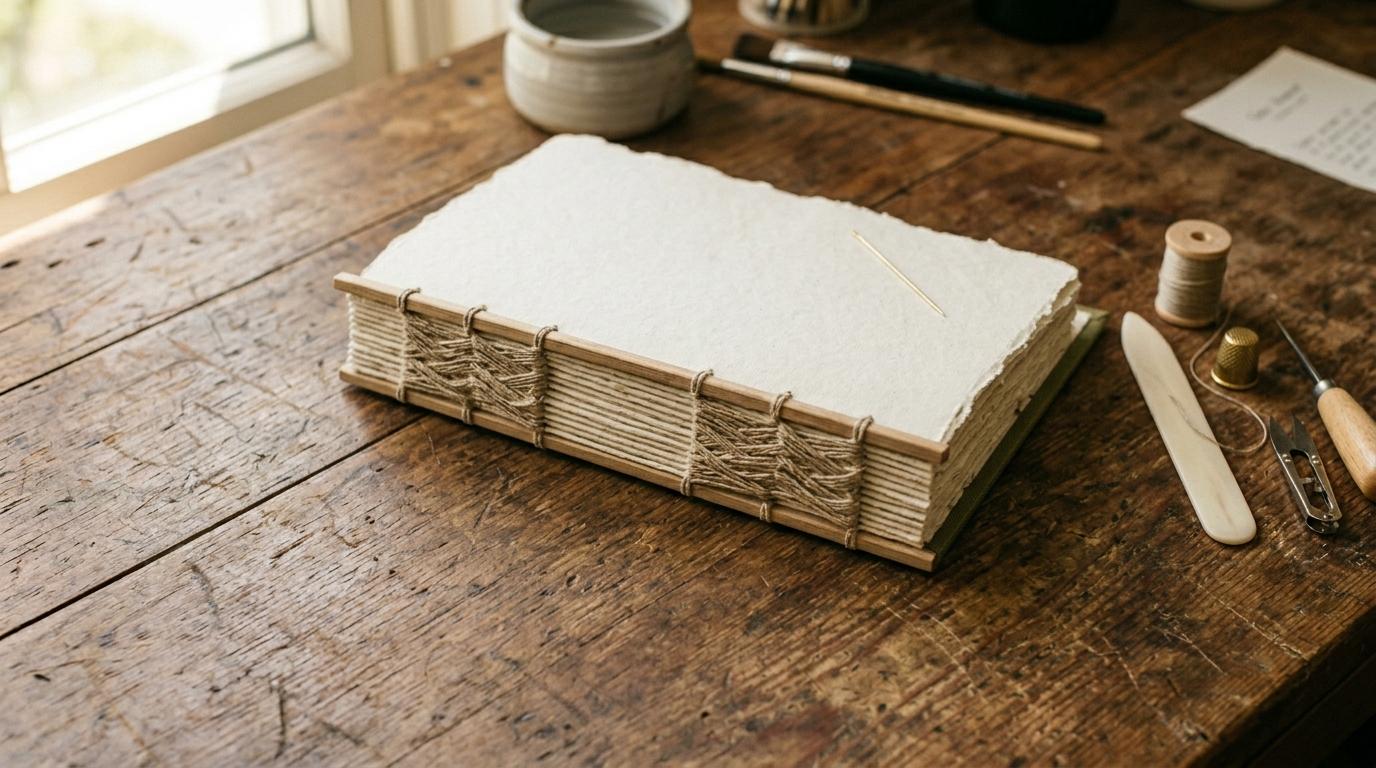
Bookbinding: Your First Journal
Fold, sew, and case a hardback journal by hand. The Coptic stitch and case binding are the two foundational methods, both achievable in a single afternoon session.
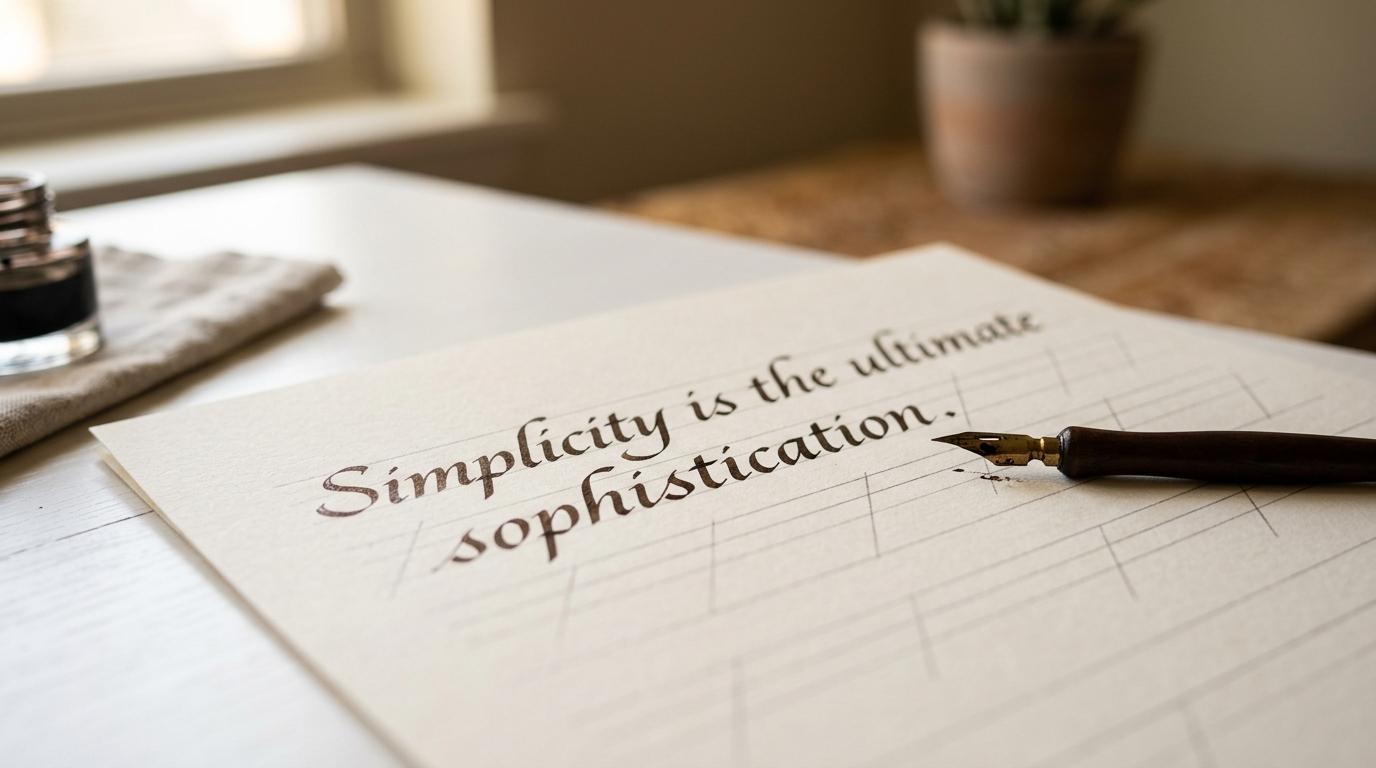
Calligraphy: The Foundational Script
Italic script with a pointed nib. The foundational Western calligraphy hand: clear, elegant, and achievable. Every lettering tradition descends from this one.
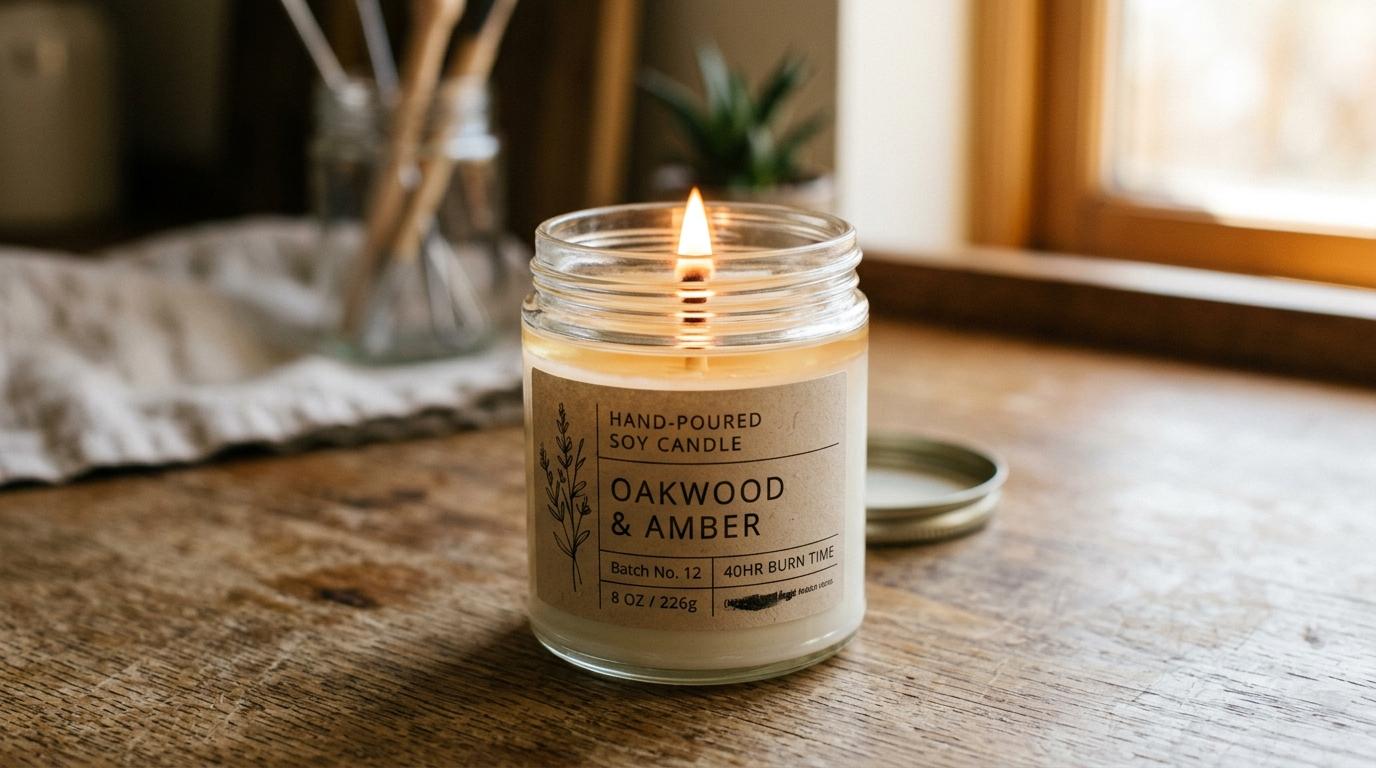
Candle Making
Make container candles with soy wax, fragrance oil, and cotton wicks. Published in late October, six weeks before Christmas: enough time to make gifts.