What you need to get started
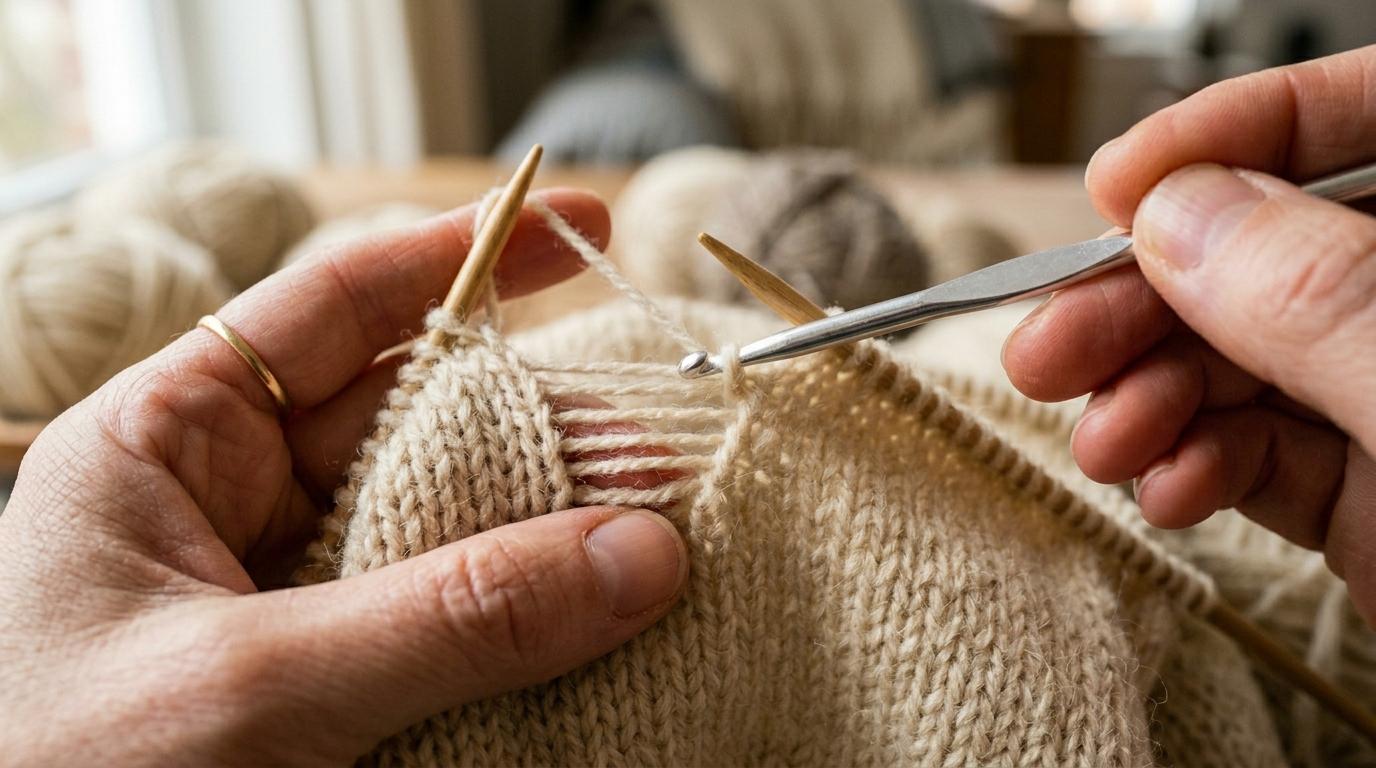
Knitting requires two needles and yarn. Everything else (the patterns, the gadgets, the needle organisers) comes later. Start with the minimum.
Knitting needles: 5mm, 25–30cm length
£4–8 for a pair of bamboo needles5mm needles are the right size for beginner-weight yarn (DK or Aran). Bamboo or wood needles are better for beginners than metal: yarn grips slightly rather than sliding off. Buy straight needles for flat projects; circular needles later for seamless tubes.
Affiliate link. We may earn a small commission.
Yarn: Aran weight (or 'chunky') in a light, plain colour
£5–12 for 100g (enough for a hat or cowl)Aran weight (5mm needle size) is easier to see and handle than fingering weight (fine, delicate). Light colours make it easier to see your stitches. Dark yarn hides errors. Pure wool grips the needles better than acrylic and is more forgiving of tension mistakes.
Affiliate link. We may earn a small commission.
Scissors and a tapestry needle (blunt)
Already owned; tapestry needle £1–2For cutting yarn at the end of your work and weaving in the ends, the final step that makes a knitted piece look finished rather than unravelled.
Affiliate link. We may earn a small commission.
Why yarn label matters
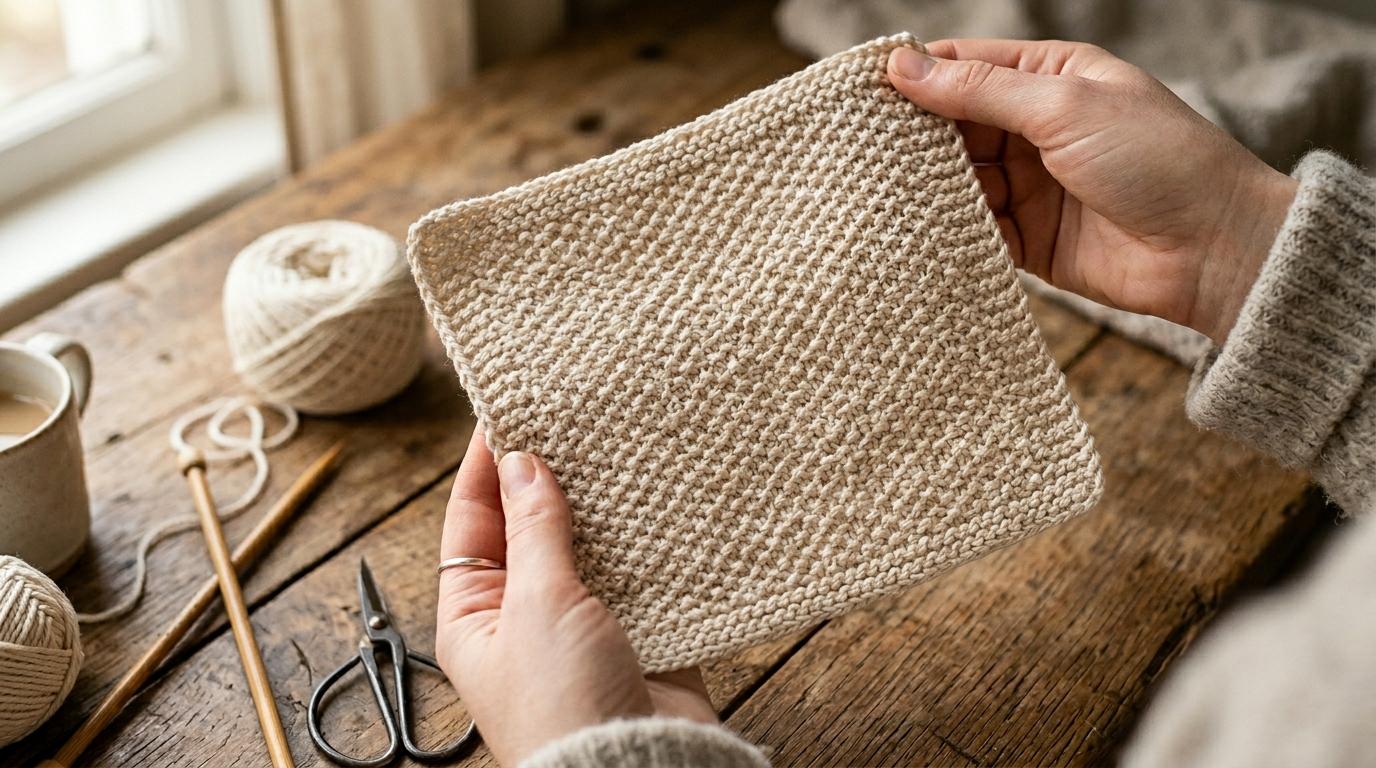
Every yarn ball has a label. Read it: it tells you the recommended needle size, the fibre content, the weight per metre, and the washing instructions. If the label says 5mm and you're using 5mm needles, your tension (swatch) will approximately match the pattern's expectations. This matters enormously when you start following patterns.
Community
Reader tips
No tips yet. Be the first to share what worked for you.
Share a tip
Sign in to share what worked for you.
Same category
What to learn next
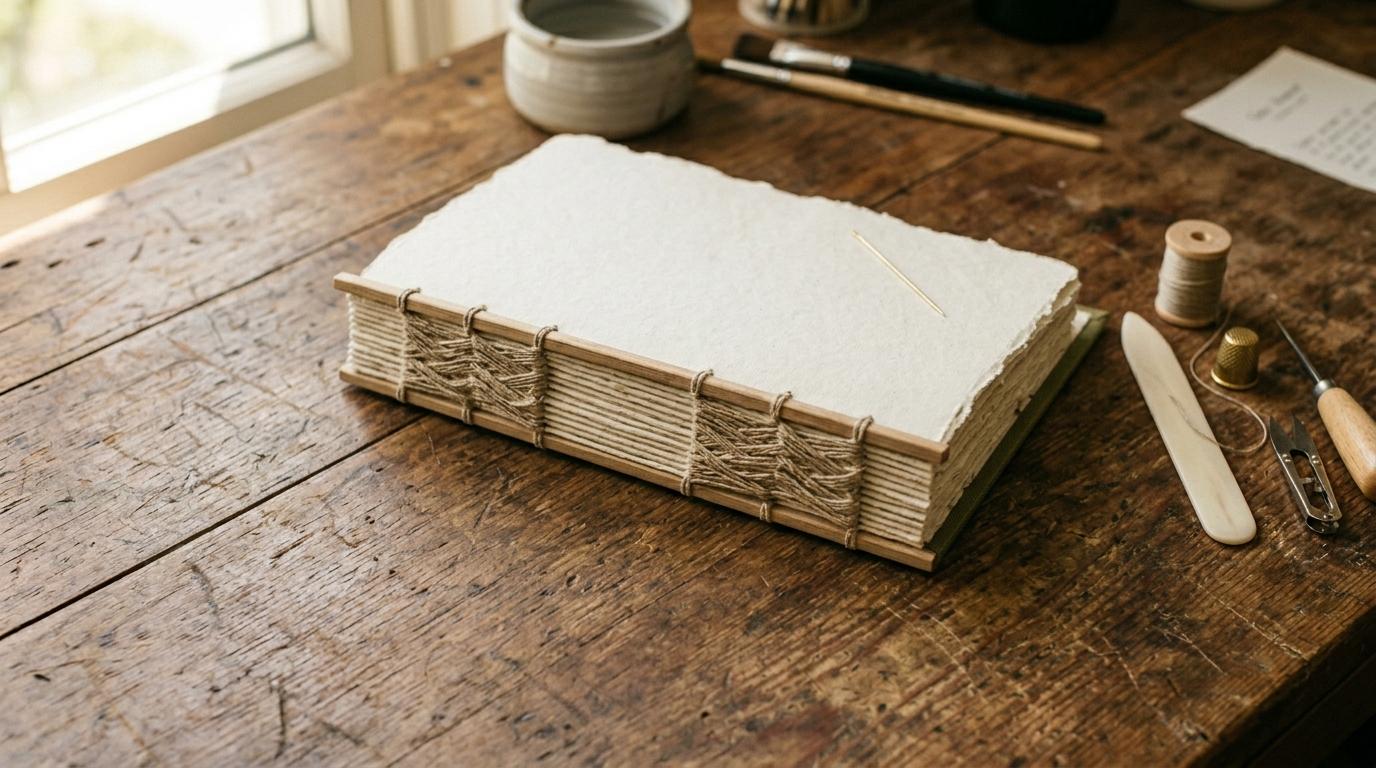
Bookbinding: Your First Journal
Fold, sew, and case a hardback journal by hand. The Coptic stitch and case binding are the two foundational methods, both achievable in a single afternoon session.
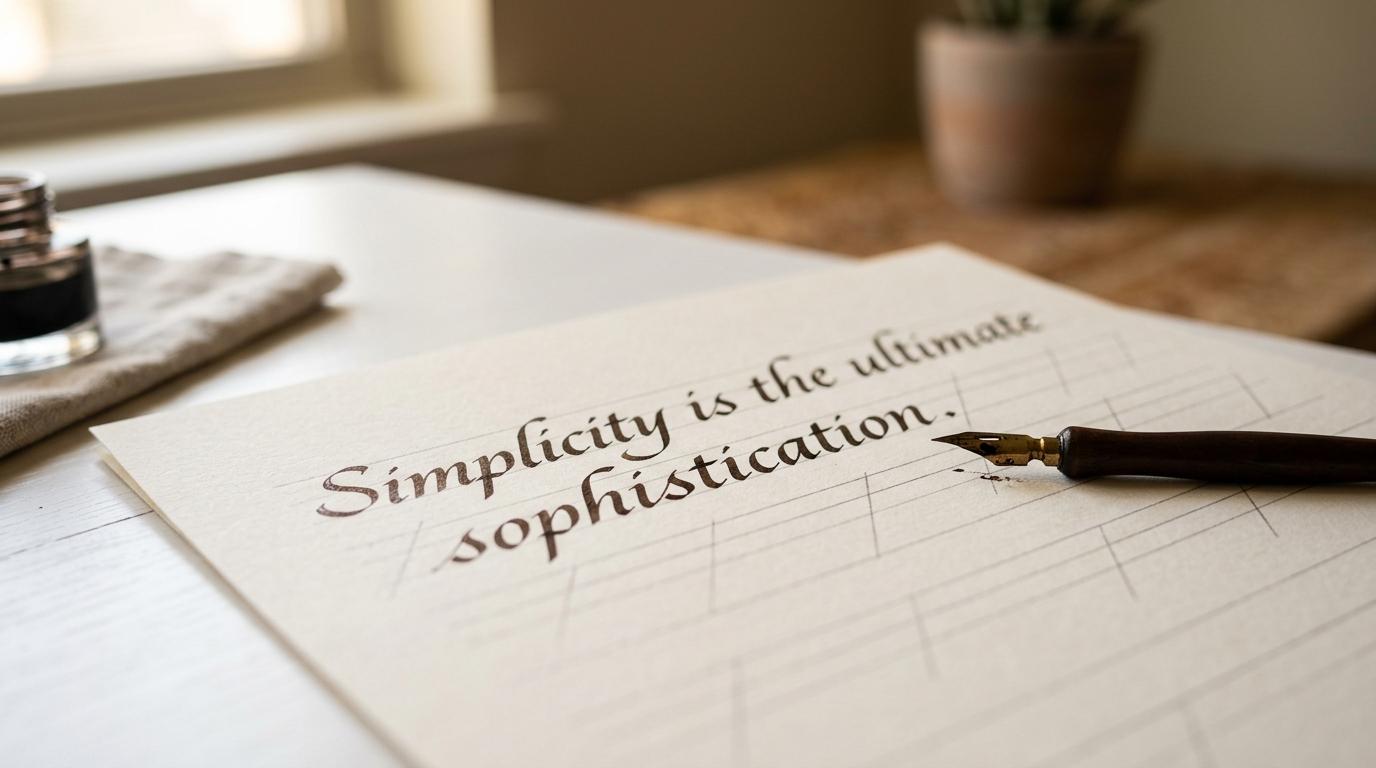
Calligraphy: The Foundational Script
Italic script with a pointed nib. The foundational Western calligraphy hand: clear, elegant, and achievable. Every lettering tradition descends from this one.
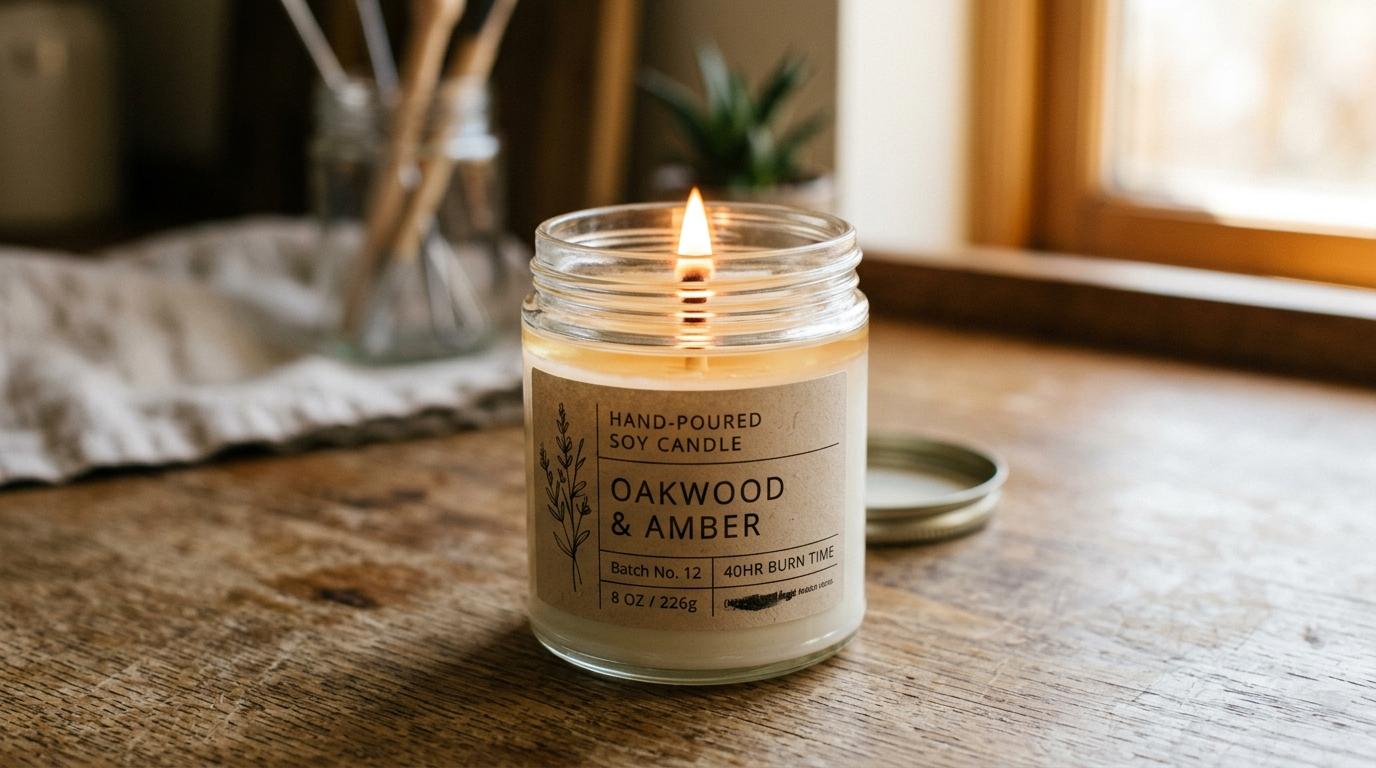
Candle Making
Make container candles with soy wax, fragrance oil, and cotton wicks. Published in late October, six weeks before Christmas: enough time to make gifts.
Side quests